Uganda Gorilla National Parks.
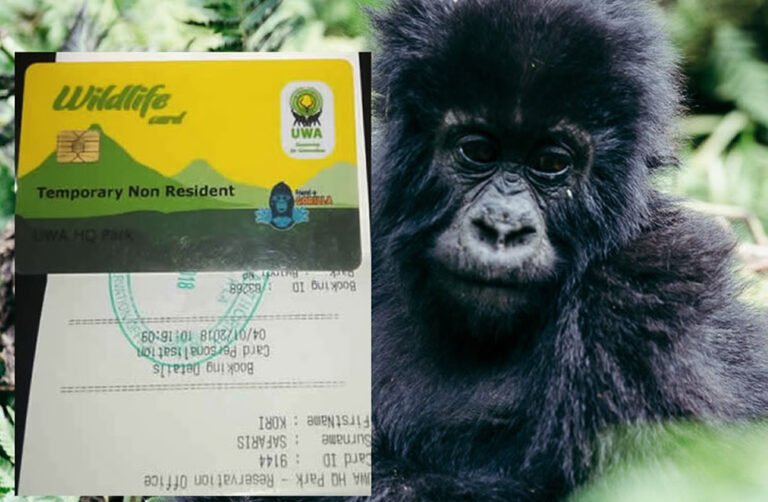
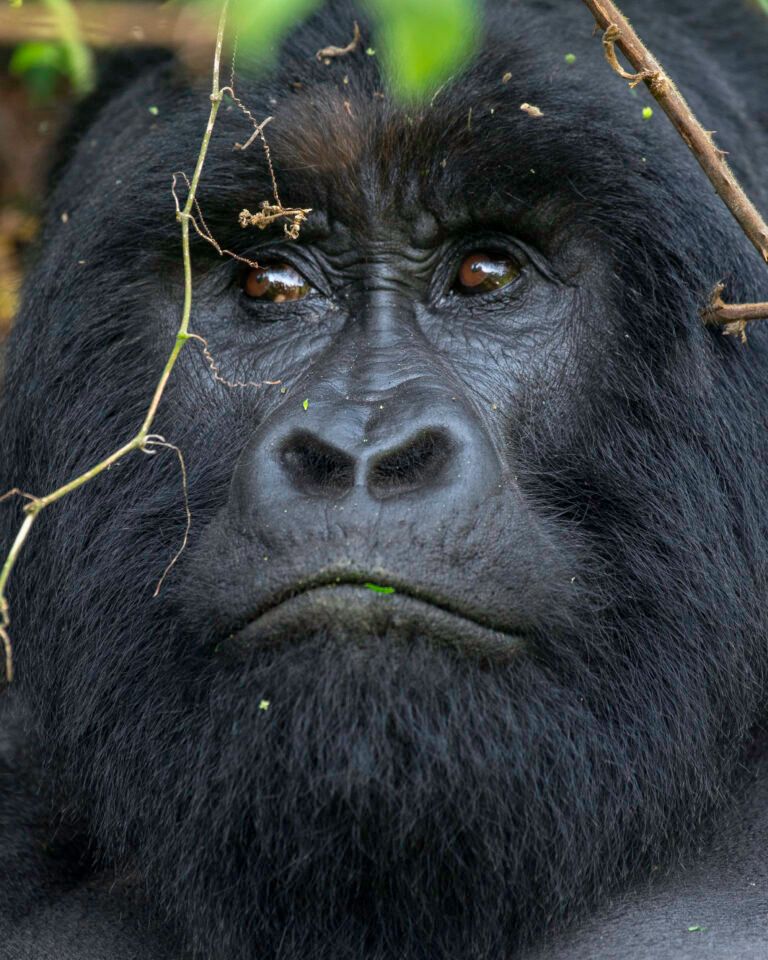
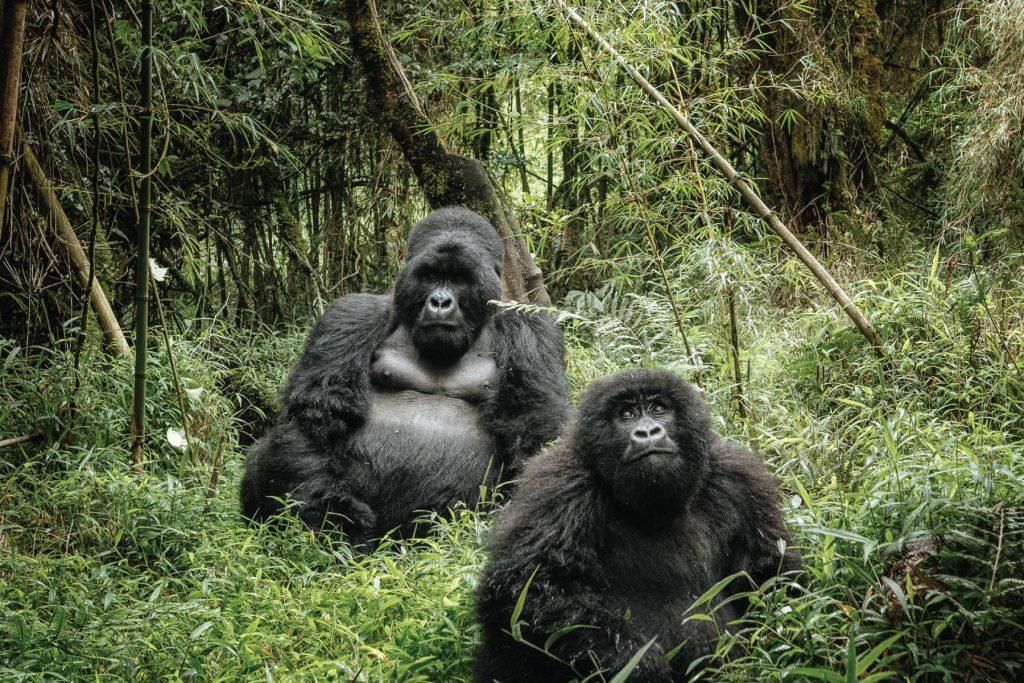
Uganda Gorilla National Parks are among the most remarkable wildlife destinations in Africa. They protect one of the world’s rarest primates the endangered mountain gorilla. Every year, thousands of travelers visit Uganda to experience the unforgettable adventure of gorilla trekking while supporting wildlife conservation and local communities. Uganda is home to nearly half of the world’s remaining mountain gorillas, making it one of the best places on Earth for this once-in-a-lifetime experience.
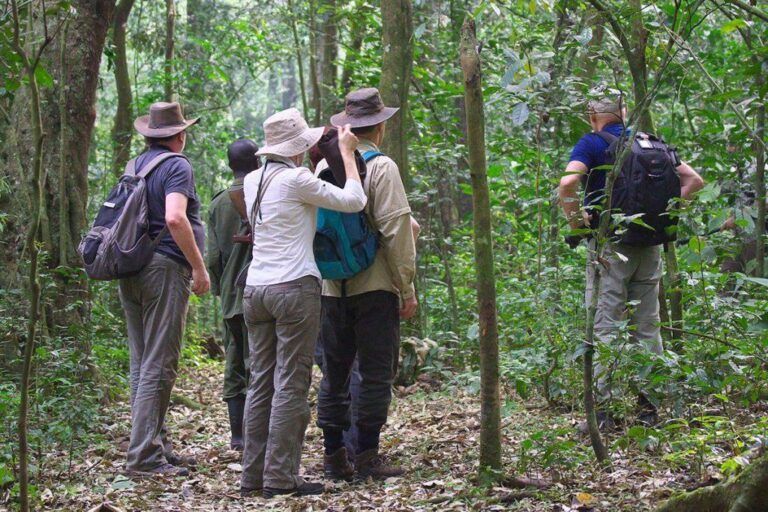
Unlike traditional game drives, gorilla trekking allows visitors to walk through ancient rainforests until they come face-to-face with a wild gorilla family. The experience is emotional, educational, and deeply rewarding. Moreover, every gorilla permit directly contributes to protecting these magnificent animals and their fragile habitat.
What Are Uganda Gorilla National Parks?
Uganda Gorilla National Parks are the two protected areas where endangered mountain gorillas live naturally. These parks include:
Although Uganda has ten national parks, only these two provide opportunities to track mountain gorillas in the wild. Together, they form part of the larger Virunga and Bwindi ecosystems that stretch across Uganda, Rwanda, and the Democratic Republic of the Congo.
Bwindi Impenetrable National Park
The Most Popular Gorilla Destination
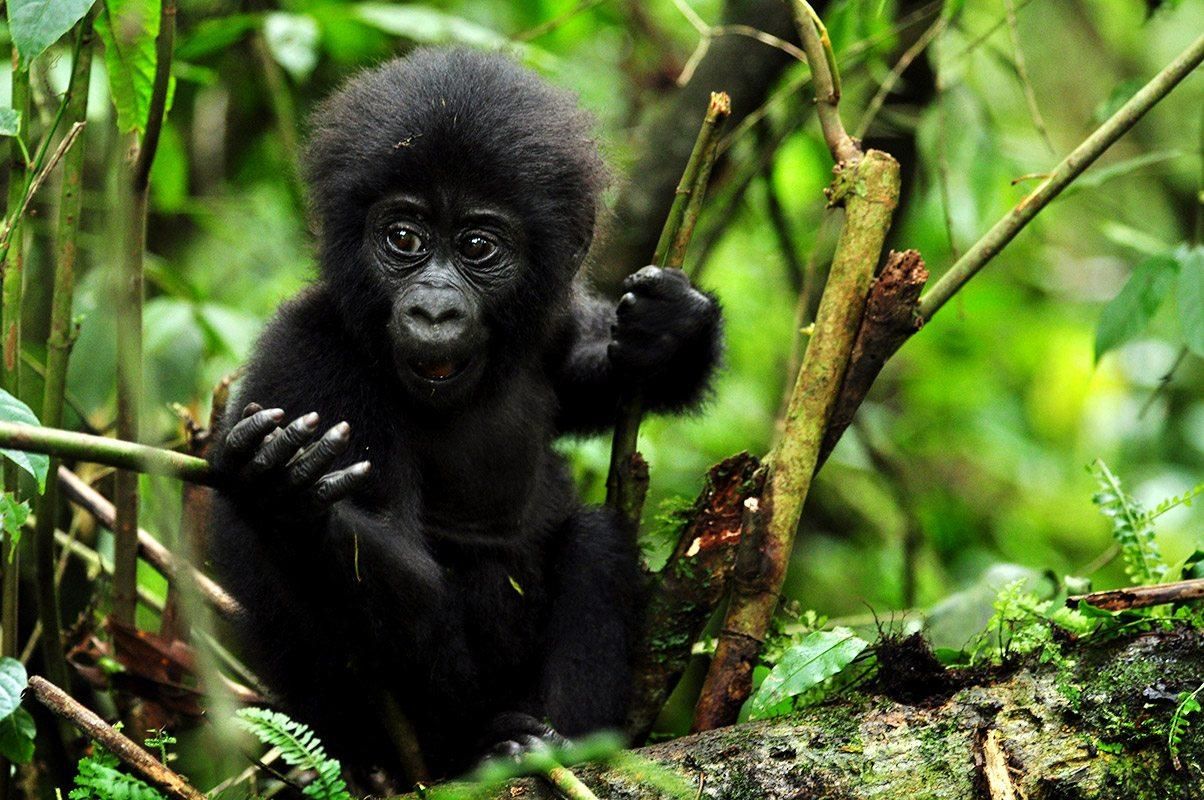
Bwindi Impenetrable National Park is Uganda’s most famous gorilla destination. Located in southwestern Uganda, this UNESCO World Heritage Site covers approximately 331 square kilometers of dense tropical rainforest.
The park shelters almost half of the world’s remaining mountain gorillas. Besides gorillas, it is home to over 120 mammal species, hundreds of butterfly species, and more than 350 bird species, making it one of Africa’s richest biodiversity hotspots.
Gorilla Trekking Sectors
Bwindi is divided into four main trekking regions:
Buhoma Sector
Buhoma was the first area opened for gorilla tourism. It offers excellent accommodation, mature forest trails, and several habituated gorilla families.
Ruhija Sector
Ruhija is known for higher elevations, cooler temperatures, and outstanding birdwatching opportunities.
Rushaga Sector
Rushaga has the largest number of habituated gorilla families. As a result, visitors often enjoy greater permit availability.
Nkuringo Sector
Nkuringo provides some of the most scenic trekking routes in Uganda. However, hikes here are generally more challenging because of the steep terrain.
Mgahinga Gorilla National Park
Uganda’s Smallest Gorilla Park
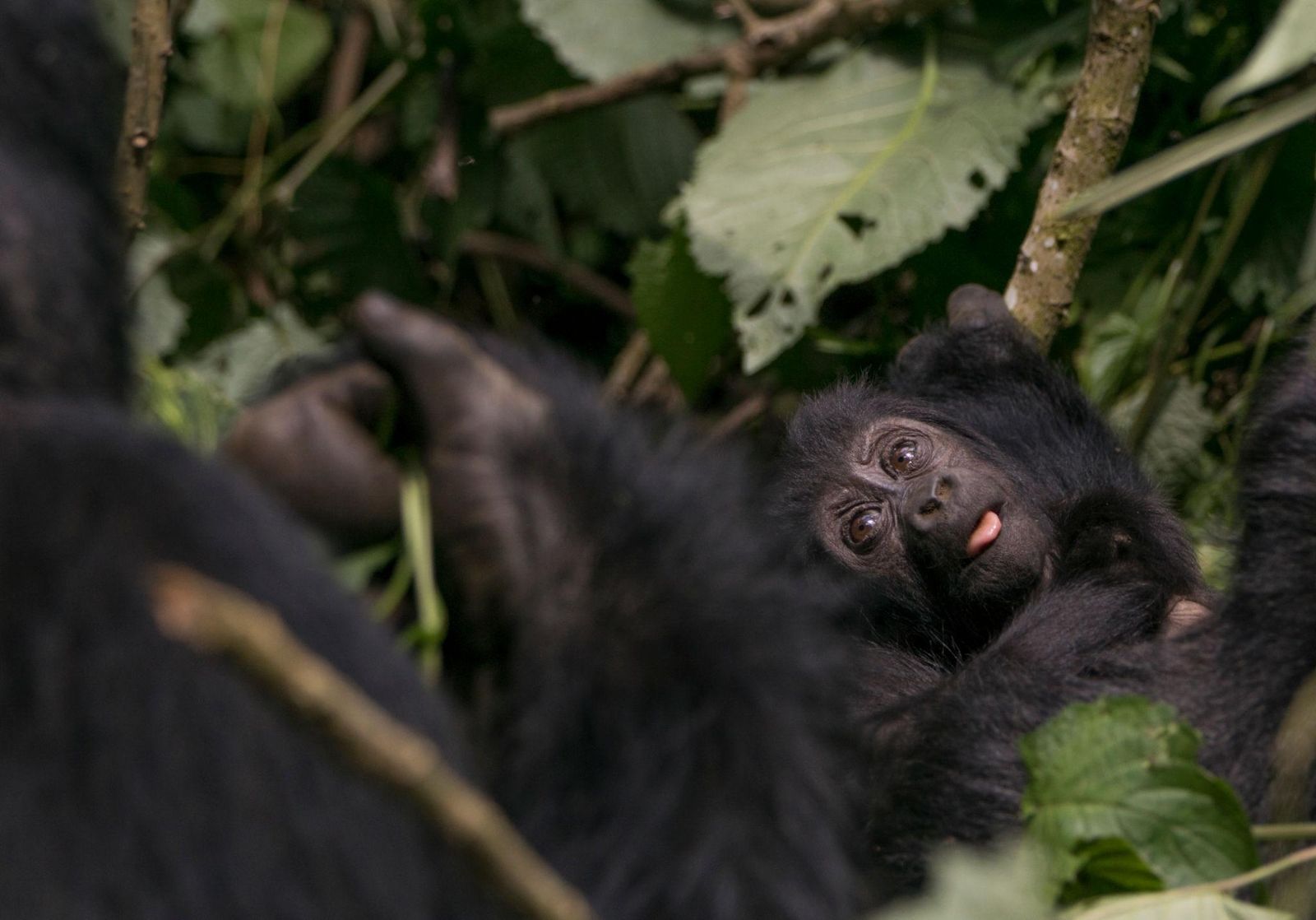
Although much smaller than Bwindi, Mgahinga Gorilla National Park offers an equally rewarding gorilla trekking experience.
Located in Kisoro District, the park covers about 34 square kilometers and forms part of the spectacular Virunga Mountain Range. Three extinct volcanoes dominate the landscape:
- Mount Muhabura
- Mount Gahinga
- Mount Sabyinyo
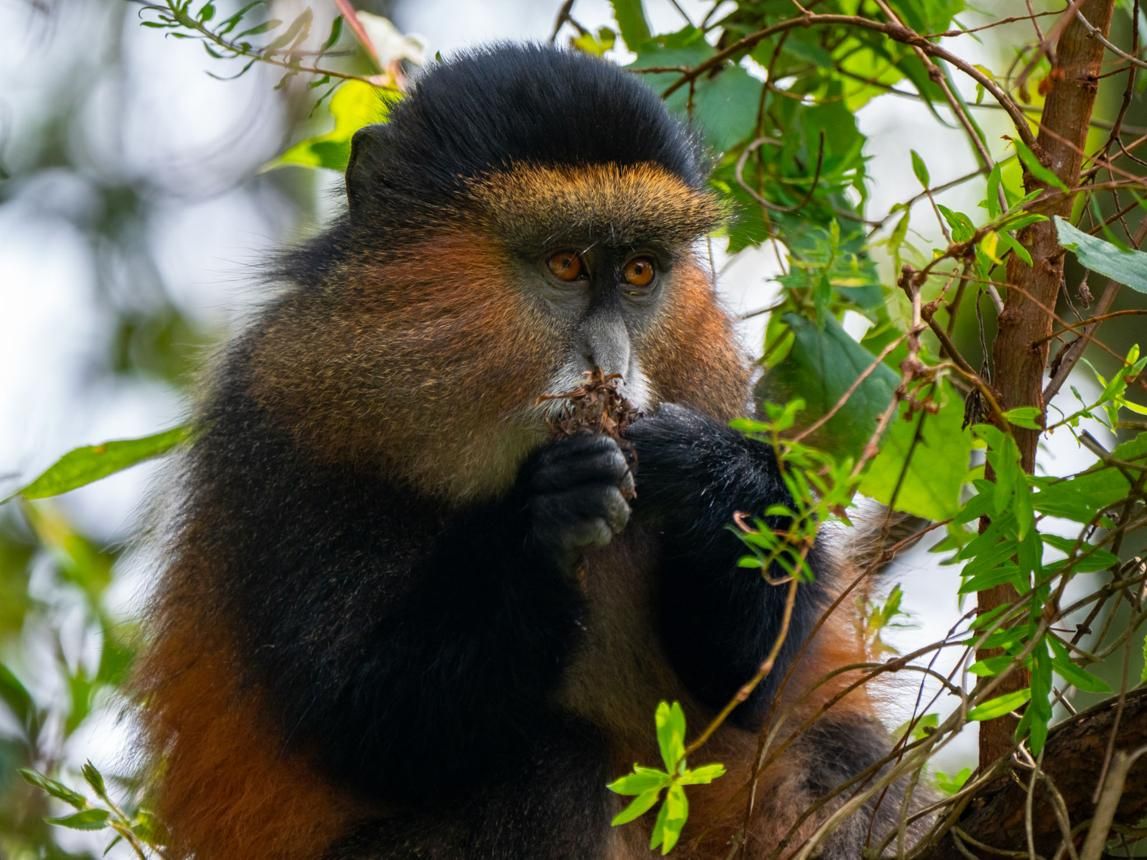
The park is famous for the Nyakagezi Gorilla Family, whose movements have become much more stable in recent years. Besides gorillas, Mgahinga is Uganda’s only national park where visitors can track endangered golden monkeys.
Differences Between Uganda Gorilla National Parks
| Feature | Bwindi | Mgahinga |
|---|---|---|
| Size | Large rainforest | Small volcanic park |
| Gorilla Families | Many habituated groups | One habituated family |
| Landscape | Dense rainforest | Volcanoes and bamboo forest |
| Bird Species | 350+ | 127+ |
| Golden Monkeys | No | Yes |
| Hiking Difficulty | Moderate to challenging | Moderate |
Both parks deliver unforgettable wildlife encounters. Therefore, choosing between them depends on your travel interests and itinerary.
Wildlife Found in Uganda Gorilla National Parks
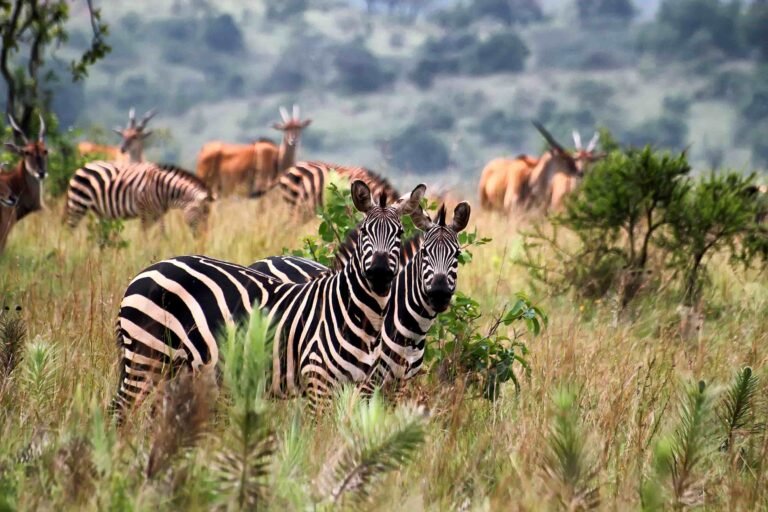
Although mountain gorillas attract most visitors, these parks protect many fascinating species.
Some wildlife includes:
- Mountain gorillas
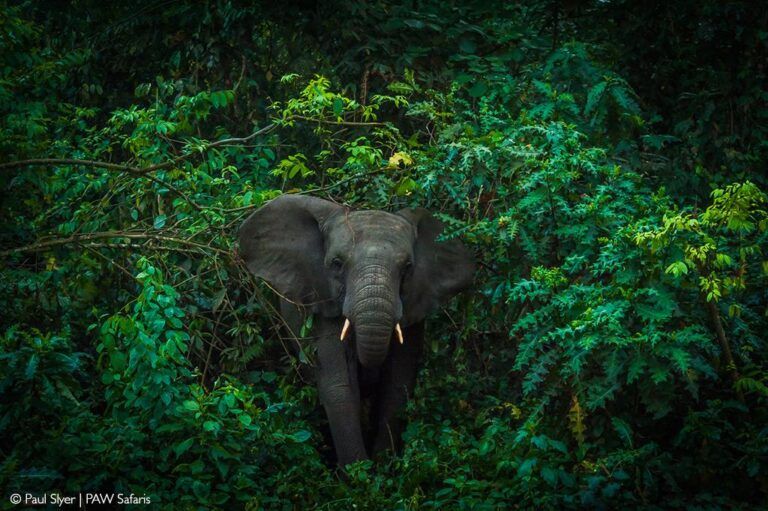
- Forest elephants
- Golden monkeys
- Black-and-white colobus monkeys
- L’Hoest’s monkeys
- Red-tailed monkeys
- Giant forest hogs
- Bushbucks
- Duikers
- Hundreds of butterfly species
- More than 350 bird species in Bwindi
Consequently, wildlife enthusiasts often spend several days exploring these forests.
Gorilla Trekking Experience
A typical trekking day starts early in the morning with a briefing from park rangers.
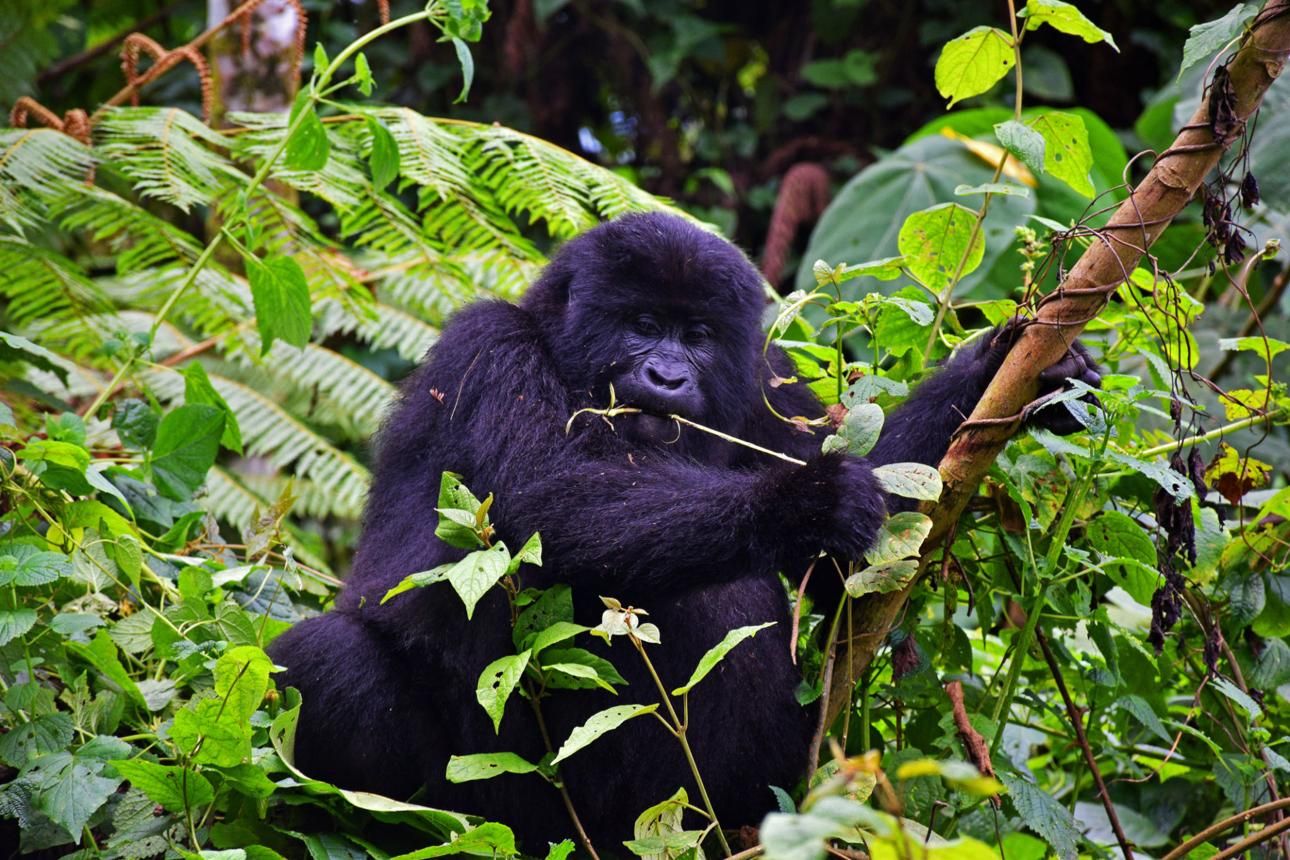
Visitors are assigned to a gorilla family before beginning the hike through the rainforest. Depending on the gorillas’ location, trekking may last between two and six hours.
Once the gorillas are found, visitors spend exactly one hour observing them. During this time, photographers capture incredible images while guides explain gorilla behavior and family dynamics.
Best Time to Visit Uganda Gorilla National Parks
Gorilla trekking is available throughout the year. However, the dry seasons provide easier hiking conditions.
| June to September | December to February |
|---|---|
| Less muddy trails | Comfortable trekking weather |
| Excellent wildlife viewing | Clear photography conditions |
| Peak tourist season | Popular holiday period |
Meanwhile, the rainy seasons bring lush green forests and fewer visitors. Therefore, some travelers actually prefer visiting during these quieter months.
Conservation Success Story
Uganda Gorilla National Parks represent one of Africa’s greatest conservation achievements.
Years ago, mountain gorillas faced severe threats from habitat destruction, disease, and poaching. Today, careful conservation efforts, ranger protection, scientific research, responsible tourism, and community involvement have helped stabilize and increase their population. Revenue from gorilla tourism plays a major role in funding conservation programs and supporting nearby communities.

Other Activities Besides Gorilla Trekking
Visitors can enjoy many additional experiences, including:
- Guided forest walks
- Birdwatching
- Batwa cultural experiences
- Golden monkey tracking
- Volcano hiking in Mgahinga
- Nature photography
- Community village visits
As a result, many travelers combine gorilla trekking with cultural tourism and birding.
Travel Tips
Before visiting Uganda Gorilla National Parks, consider the following below:
- Wear waterproof hiking boots.
- Carry a rain jacket.
- Pack gardening gloves for steep trails.
- Bring enough drinking water.
- Hire a porter to support both yourself and the local community.
- Keep a safe distance from gorillas.
- Follow all ranger instructions.
- Avoid visiting if you have contagious illnesses.
These simple preparations help ensure a safe and enjoyable trek.
Why Uganda Gorilla National Parks Are Worth Visiting
Few wildlife experiences compare to standing quietly a few meters from a family of wild mountain gorillas.
Uganda Gorilla National Parks offer more than wildlife viewing. They provide a chance to witness successful conservation, explore ancient rainforests, experience vibrant local cultures, and create memories that last a lifetime. Whether you choose the dense forests of Bwindi or the volcanic beauty of Mgahinga, every trek supports the continued protection of one of Earth’s most endangered great apes.
Frequently Asked Questions (FAQs)
How many Uganda Gorilla National Parks are there?
Uganda has two gorilla national parks: Bwindi Impenetrable National Park and Mgahinga Gorilla National Park.
Which Uganda Gorilla National Park is best?
Bwindi is best for visitors seeking more gorilla families and trekking options, while Mgahinga is ideal for travelers interested in volcano scenery and golden monkey tracking.
Can beginners visit Uganda Gorilla National Parks?
Yes. Treks vary in difficulty, and park rangers assign groups based on visitor fitness where possible.
When is the best time to visit Uganda Gorilla National Parks?
The best months are June to September and December to February because trails are generally drier.
Why are Uganda Gorilla National Parks important?
They protect endangered mountain gorillas, conserve biodiversity, generate tourism revenue, and support surrounding communities through conservation-based development.