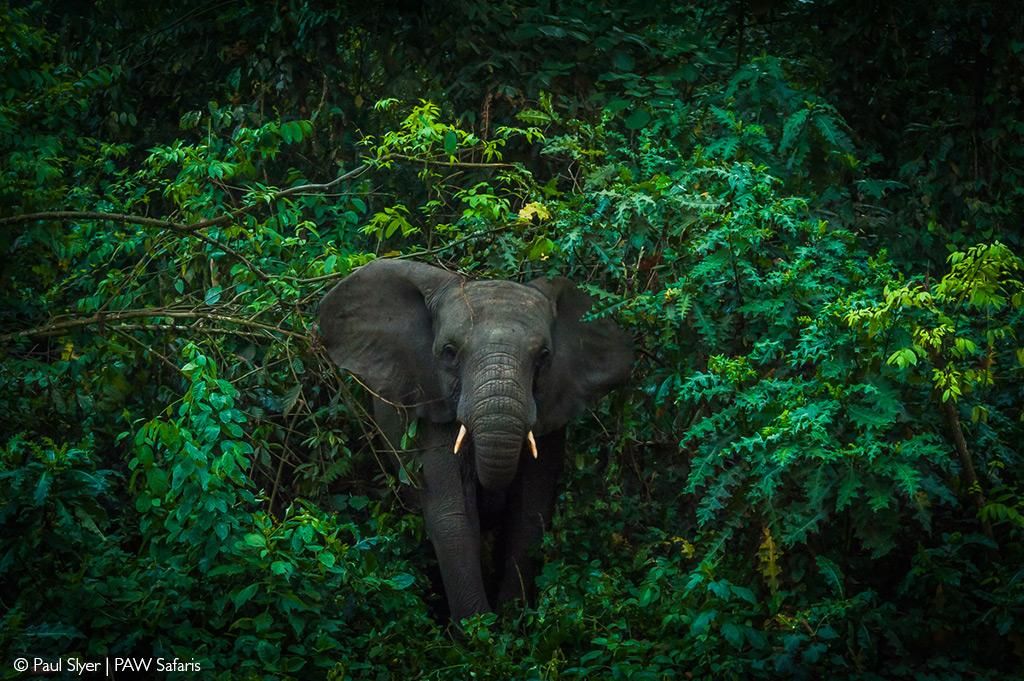
Forest Elephants
Forest elephants are among the most elusive and fascinating mammals in East Africa. Unlike their larger relatives that roam open grasslands, forest elephants spend most of their lives hidden beneath the dense canopy of tropical rainforests.
In Uganda, these shy giants play a vital role in maintaining healthy forest ecosystems by dispersing seeds, creating pathways through thick vegetation, and shaping the natural environment. as Uganda we thank them for the new trees we get.
Although they are rarely seen compared to savanna elephants, forest elephants are an important part of Uganda’s biodiversity. Wildlife enthusiasts who visit Uganda’s tropical forests may be fortunate enough to encounter signs of these remarkable animals while exploring the country’s protected areas.
What Are Forest Elephants?
Forest elephants are a distinct species of African elephant scientifically known as Loxodonta cyclotis. For many years, scientists believed forest elephants were simply a smaller subspecies of the African bush elephant.
However, genetic research confirmed that they are a separate species with unique physical characteristics and behaviors.
| Feature | Description |
|---|---|
| Body Size | Smaller than savanna elephants |
| Tusks | Straighter and thinner |
| Ears | Rounded |
| Build | More compact |
| Skin Color | Darker gray |
| Lower Jaw | Longer and narrower |
These adaptations allow them to move more easily through dense forests where visibility is limited.
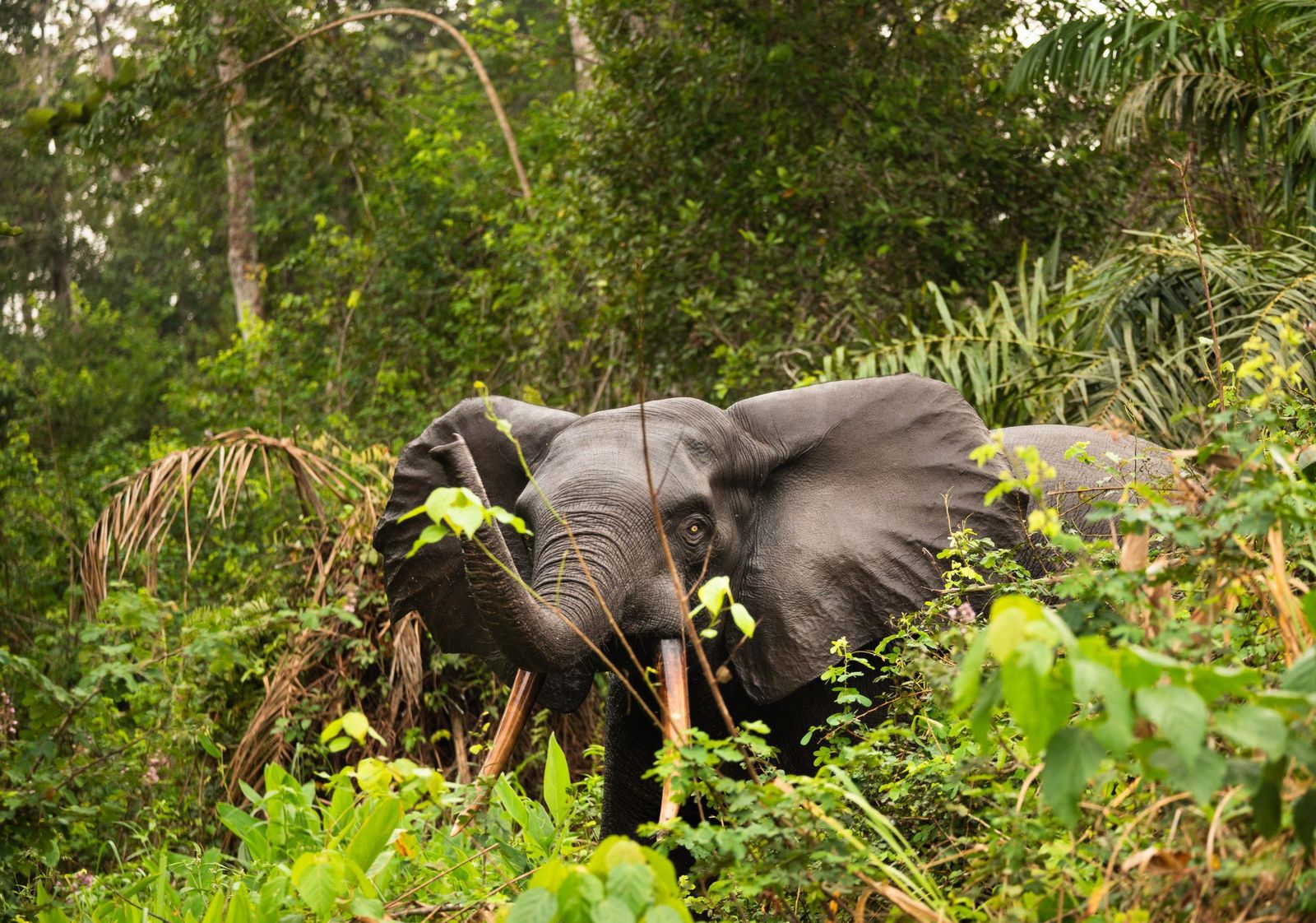
Where Do Forest Elephants Live in Uganda?
Forest elephants inhabit Uganda’s tropical rainforests, where dense vegetation provides food, shelter, and protection.
Some of the best places where forest elephants may be found include:
- Bwindi Impenetrable National Park
- Kibale National Park
- Semuliki National Park
- Bwindi’s surrounding forest reserves
Unlike elephants in Uganda’s savanna parks, forest elephants are much more secretive and often remain hidden deep within thick vegetation. As a result, visitors usually notice footprints, broken branches, fresh dung, or feeding signs rather than seeing the elephants themselves.
Forest Elephants vs. Savanna Elephants
Many people assume all African elephants are the same. However, forest elephants and savanna elephants differ in several important ways.
| Feature | Forest Elephant | Savanna Elephant |
|---|---|---|
| Habitat | Tropical rainforest | Grasslands and savannas |
| Size | Smaller | Larger |
| Tusks | Straight and slender | Curved and heavier |
| Ears | Rounded | Larger and triangular |
| Visibility | Rarely seen | Frequently observed |
| Social Groups | Smaller family units | Larger herds |
Both species are equally important for Africa’s ecosystems.
Why Forest Elephants Are Important
Forest elephants are often called “the gardeners of the forest.” As they move through the rainforest, they perform several essential ecological functions.
Seed Dispersal
Many rainforest trees depend on elephants to spread their seeds over long distances. After eating fruits, elephants deposit seeds in nutrient-rich dung, helping new trees grow throughout the forest. Consequently, forest elephants contribute directly to rainforest regeneration.
Creating Forest Paths
Their movement through dense vegetation creates natural pathways used by the following:
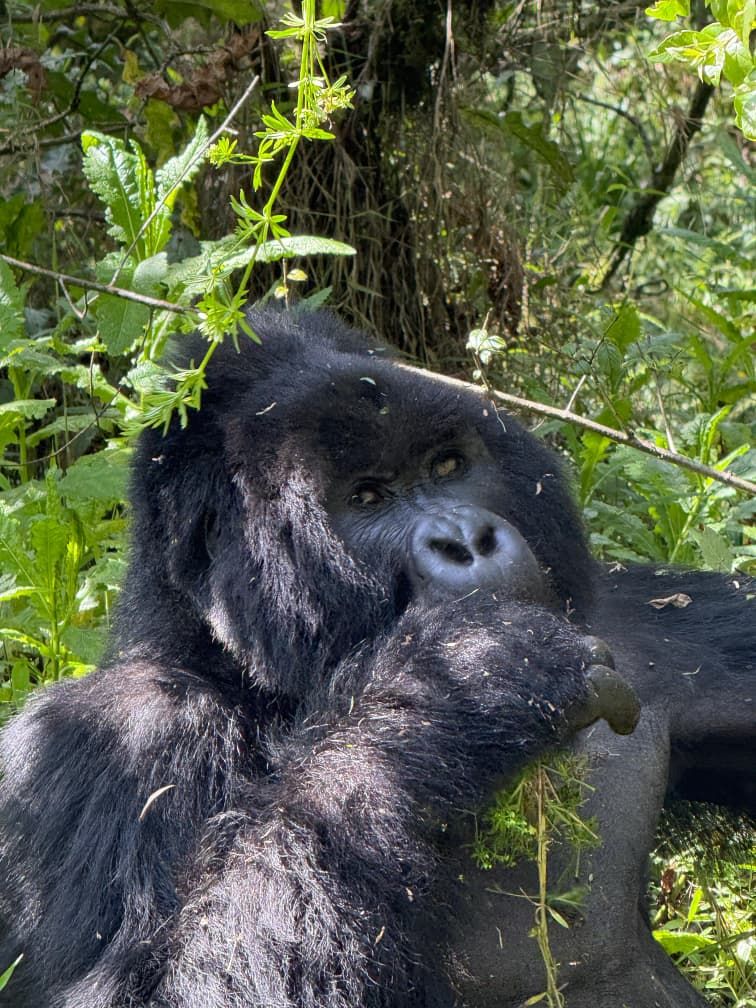
- Gorillas
- Chimpanzees
- Antelopes
- Rangers
- Researchers
These trails improve access for many forest animals.
Maintaining Biodiversity
By feeding on shrubs, leaves, and small trees, forest elephants prevent certain plant species from dominating the forest. This allows a greater variety of plants and animals to thrive.
Diet of Forest Elephants
Forest elephants are herbivores. Their diet changes throughout the year depending on food availability.
| Food Type | Examples |
|---|---|
| Fruits | Wild fruits, seed pods |
| Leaves | Broad leaves, young shoots |
| Bark | Tree bark stripped from trunks |
| Roots | Dug from the forest floor |
| Vines | Climbing plants and creepers |
| Grasses | Forest clearings and edges |
An adult elephant may consume well over 100 kilograms of vegetation every day. Their large appetite makes them one of the rainforest’s most influential species.
Behavior of Forest Elephants
Forest elephants are generally peaceful and shy. Because they live in dense forests, they rely heavily on their:
- Sense of smell
- Hearing
- Memory
Communication occurs through:
- Low-frequency rumbles
- Touch
- Body language
- Chemical signals
These sounds can travel long distances through the forest even when visibility is poor.
Forest elephants usually move in smaller family groups than savanna elephants. A typical group includes:
- Adult females
- Young calves
- Juveniles
Adult males often live alone except during the breeding season.
Can Visitors See Forest Elephants in Uganda?
Seeing a forest elephant in Uganda requires patience and luck. Unlike gorillas, forest elephants are not tracked for tourism.
However, visitors exploring Uganda’s rainforests may encounter:
- Fresh footprints
- Feeding sites
- Broken bamboo
- Elephant trails
- Dung
- Tree bark stripped by elephants
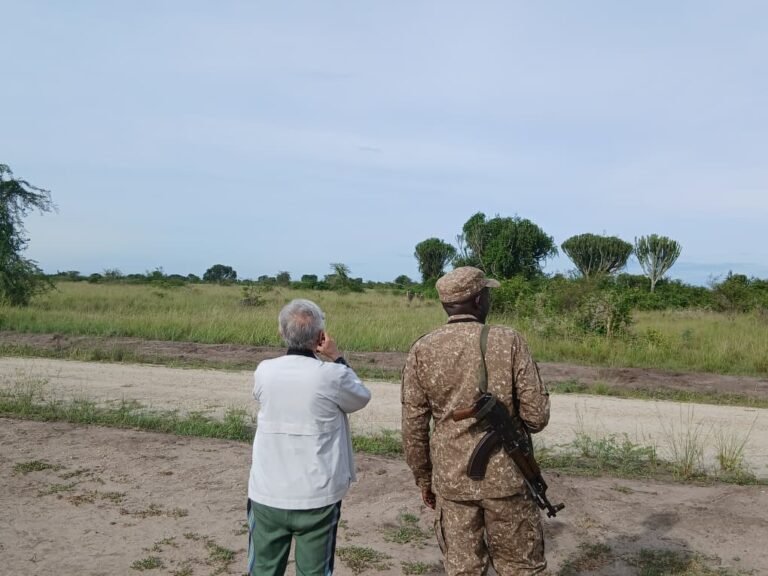
Occasionally, hikers and researchers observe forest elephants quietly moving through the vegetation. Wildlife guides always prioritize visitor safety if elephants are nearby.
Threats Facing Forest Elephants
Forest elephant populations have declined significantly across Central and East Africa.
| Threat | Impact |
|---|---|
| Habitat Loss | Agricultural expansion and human settlement continue to reduce forest habitat. |
| Poaching | Although ivory trade has declined in many regions, illegal hunting still threatens elephant populations. |
| Human-Wildlife Conflict | As forests shrink, elephants increasingly come into contact with nearby communities. This sometimes leads to crop damage and conflict. |
| Climate Change | Changing rainfall patterns affect forest ecosystems and food availability. |
Conservation Efforts in Uganda
Uganda continues to strengthen wildlife conservation through partnerships between government agencies, conservation organizations, researchers, and local communities.
| Conservation Measure | Purpose |
|---|---|
| Protected national parks | Safeguard critical forest habitats |
| Anti-poaching patrols | Prevent illegal hunting |
| Community conservation programs | Engage local people in protection efforts |
| Wildlife monitoring | Track elephant populations and movements |
| Environmental education | Raise awareness about conservation |
| Habitat restoration | Replant degraded forest areas |
| Responsible tourism | Generate funds for conservation |
These efforts help protect not only forest elephants but also gorillas, chimpanzees, and countless other forest species.
Best Time to Visit Uganda’s Forests
Forest elephants live in Uganda throughout the year. However, many travelers prefer visiting during the dry seasons.
| Season | Months | Conditions |
|---|---|---|
| Long Dry Season | June to September | Better hiking conditions, less muddy trails, easier wildlife tracking |
| Short Dry Season | December to February | Pleasant temperatures, improved forest accessibility, excellent photography opportunities |
Even during the rainy seasons, Uganda’s forests remain rich in wildlife and lush green scenery.
Interesting Facts About Forest Elephants
- Forest elephants are the smallest African elephant species.
- They have straighter tusks than savanna elephants.
- They play a crucial role in rainforest regeneration.
- Their footprints often become small water pools used by other wildlife.
- Many rainforest trees depend on elephants for seed dispersal.
- They can quietly move through incredibly dense vegetation despite their size.
- Forest elephants have excellent memories that help them locate seasonal food sources.
Why Forest Elephants Matter
Forest elephants are far more than large mammals living in Uganda’s rainforests. They are ecosystem engineers that help maintain healthy forests, support biodiversity, and ensure the survival of countless plant and animal species. Although they are difficult to spot, their presence shapes the forests that also shelter mountain gorillas, chimpanzees, birds, and other wildlife.
Protecting forest elephants means protecting Uganda’s tropical forests for future generations. Every conservation effort contributes to preserving one of Africa’s most remarkable yet often overlooked wildlife species.
Frequently Asked Questions (FAQs)
Are forest elephants found in Uganda?
Yes. Forest elephants live in several of Uganda’s tropical forest ecosystems, including Bwindi Impenetrable National Park, Kibale National Park, and Semuliki National Park.
Are forest elephants different from savanna elephants?
Yes. Forest elephants are a separate species. They are smaller, have straighter tusks, rounded ears, and are specially adapted to life in dense rainforests.
Are forest elephants dangerous?
Like all wild elephants, forest elephants can be dangerous if they feel threatened or surprised. Visitors should always follow the guidance of experienced park rangers and maintain a safe distance.
Why are forest elephants important?
Forest elephants help regenerate rainforests by dispersing seeds, creating forest trails, and maintaining healthy ecosystems.
Can tourists track forest elephants?
No. Unlike mountain gorillas, forest elephants are not tracked for tourism. Sightings are occasional and usually occur during guided forest walks or wildlife research activities.