How Safe Is Gorilla Trekking? Everything You Need to Know
Gorilla trekking is often described as one of the most powerful wildlife experiences in Africa. However, before stepping into the (jungle) forests of Uganda or Rwanda, one important question is always asked: how safe is gorilla trekking?
The good news is that gorilla trekking is considered very safe. This is because strict guidelines have been established, professional rangers are involved, and mountain gorillas have been habituated over many years.
As a result, risks have been minimized, and visitors are able to enjoy close encounters in a controlled and respectful environment.
Where Gorilla Trekking Takes Place
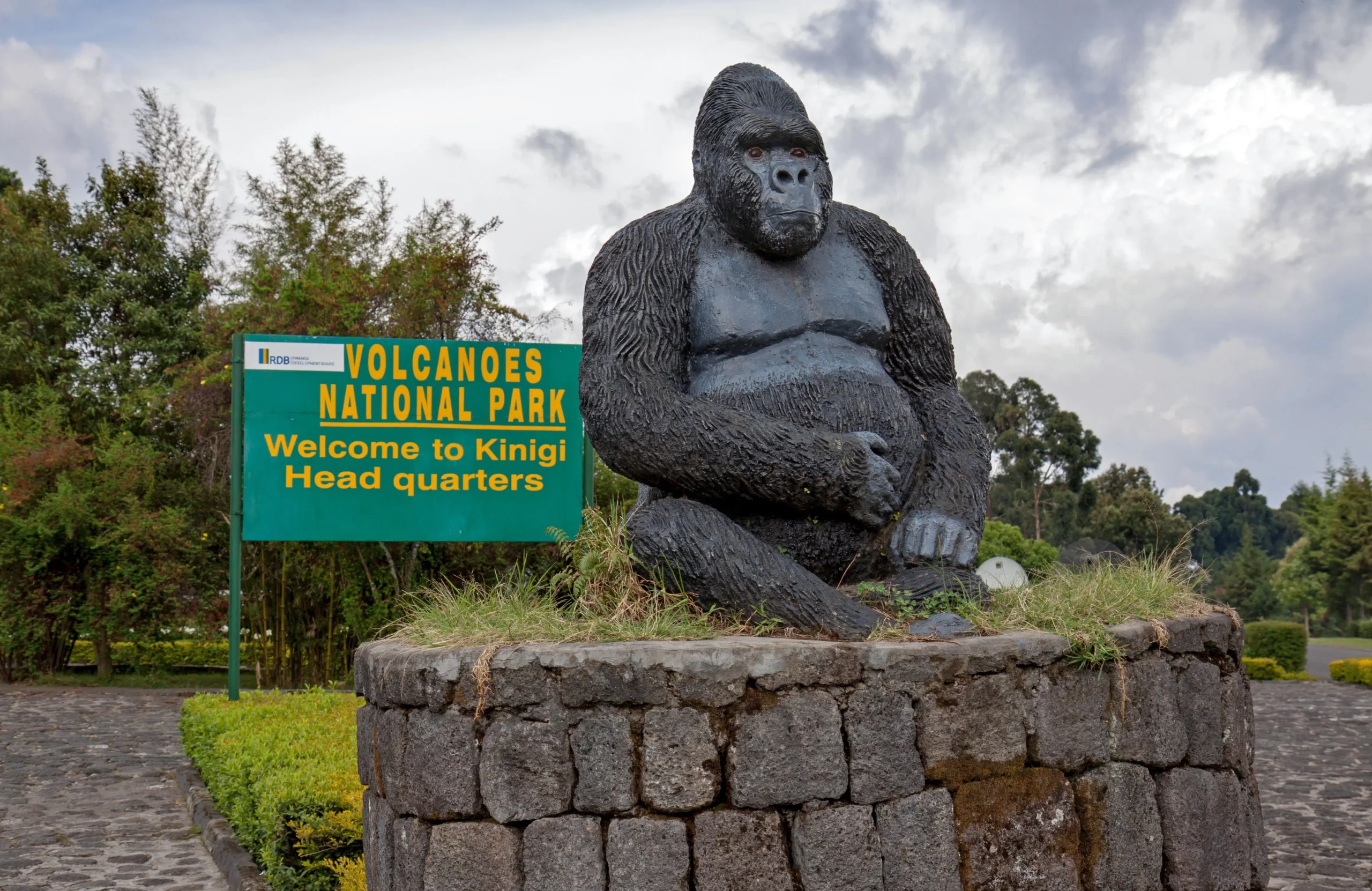
Gorilla trekking is mainly done in protected national parks such as Bwindi Impenetrable National Park, Mgahinga Gorilla National Park, and Volcanoes National Park. These parks are carefully monitored, and tourism activities are well organized.
In these areas, safety protocols have been developed over decades. Additionally, gorilla families are tracked daily, which means their movements are known before tourists even begin the trek. Therefore, uncertainty is greatly reduced.
For example, a traveler visiting Bwindi Impenetrable National Park will be assigned a specific gorilla family that has already been located by trackers early in the morning. This ensures that the trek is not random but planned and guided.
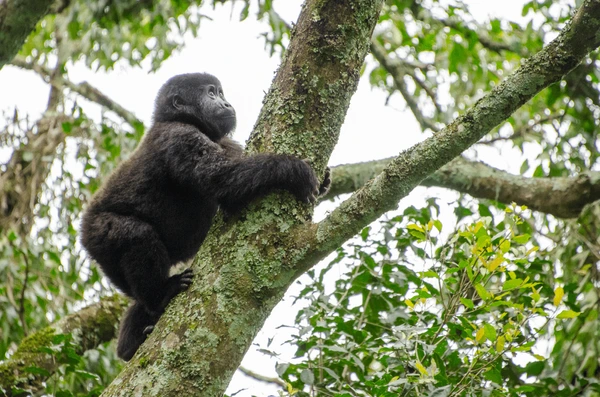
Why Gorilla Trekking Is Considered Safe
There are several reasons why gorilla trekking is considered safe, and each of them plays a critical role.
1. Professional Rangers and Guides
First of all, every gorilla trekking experience is led by trained guides from organizations like the Uganda Wildlife Authority. These professionals are highly experienced and understand gorilla behavior.
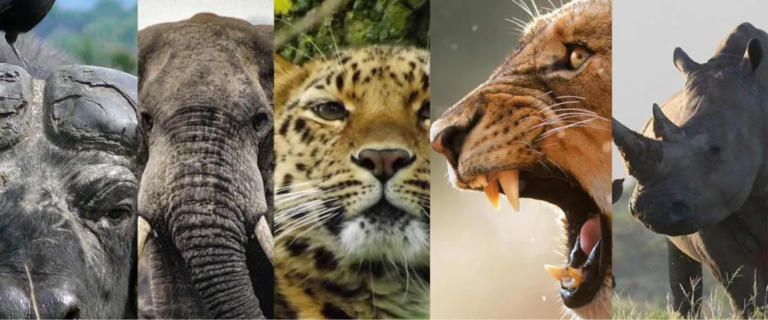
Moreover, armed rangers are usually present. This is not because gorillas are dangerous, but rather to protect visitors from other wildlife that may be encountered in the forest.
For instance, if elephants or buffaloes are spotted nearby, alternative routes may be taken. As a result, visitors are kept safe throughout the trek.
2. Habituated Gorilla Families
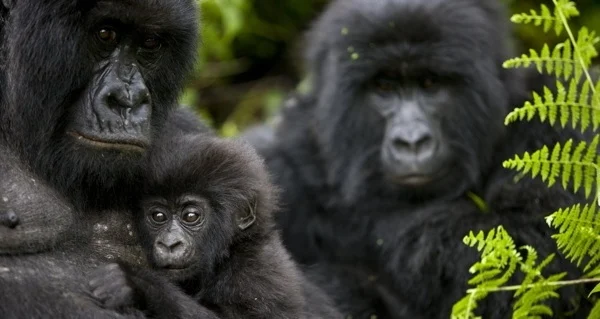
Another important factor is habituation. Over time, certain gorilla groups have been slowly introduced to human presence. Because of this process, they no longer react aggressively to tourists.
It should be noted that only habituated groups are visited during gorilla trekking. Wild, unhabituated gorillas are completely avoided. Therefore, the chances of aggression are extremely low.
For example, a silverback gorilla in Mgahinga Gorilla National Park may simply observe visitors calmly while continuing to feed. This peaceful behavior is a result of years of careful conservation work.
3. Strict Safety Rules Are Followed
To ensure that gorilla trekking remains safe, strict rules are enforced. These rules are not optional—they must be followed at all times.
Some of the key guidelines include:
- A distance of at least 7 meters must be maintained
- Loud noises and sudden movements should be avoided
- Direct eye contact is discouraged
- Flash photography is not allowed
Additionally, if a gorilla approaches visitors, they are instructed to stay calm and follow the guide’s directions.
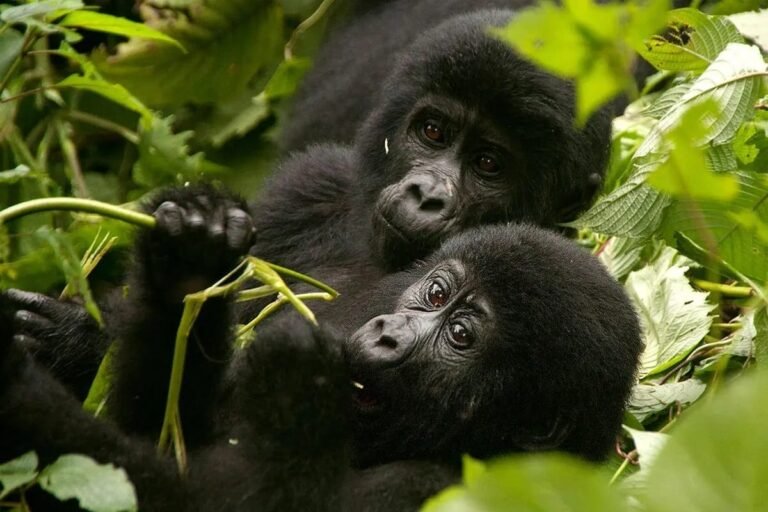
For example, if a curious juvenile gorilla comes closer, tourists are advised not to panic. Instead, they should remain still until the animal moves away. In this way, gorilla trekking continues without incident.
4. Health Safety Measures Are in Place
Because gorillas share about 98% of human DNA, they are vulnerable to human diseases. Therefore, health precautions are taken very seriously during gorilla trekking.
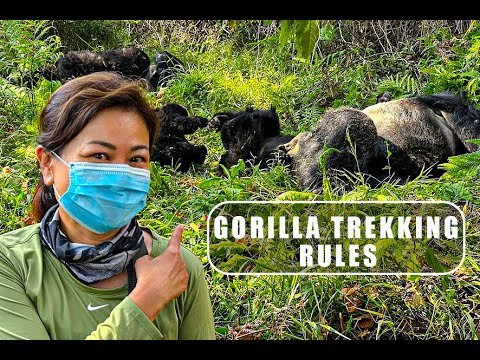
Visitors who are sick are not allowed to participate. Furthermore, in many cases, face masks are recommended or required when near the gorillas.
This system protects both humans and wildlife. As a result, gorilla trekking has remained a sustainable and safe activity for years.
Security in Gorilla Trekking Areas
Safety during gorilla trekking is not only about animals—it also involves regional security. Fortunately, national parks in Uganda and Rwanda are well protected.
Areas like Bwindi Impenetrable National Park are regularly patrolled by security personnel. In addition, tourism is a major source of revenue, so governments invest heavily in maintaining stability.
For example, travelers are often escorted when necessary, and park entry points are monitored. Because of these measures, incidents involving tourists are extremely rare.
The Real Challenge: Terrain and Fitness
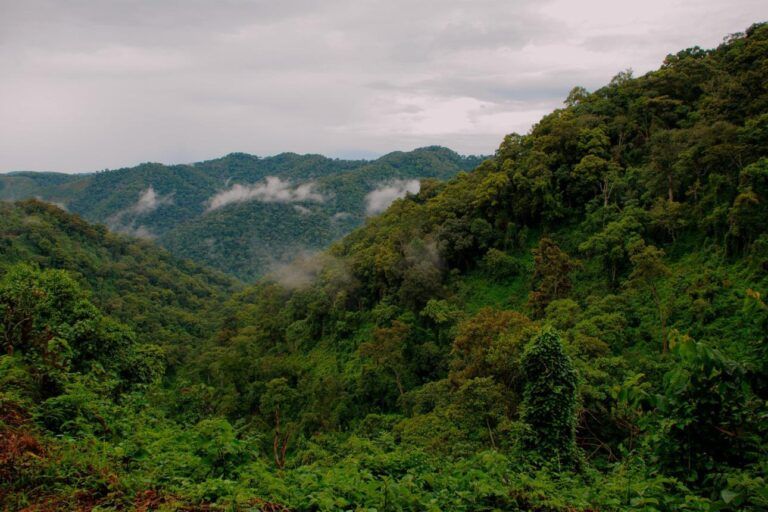
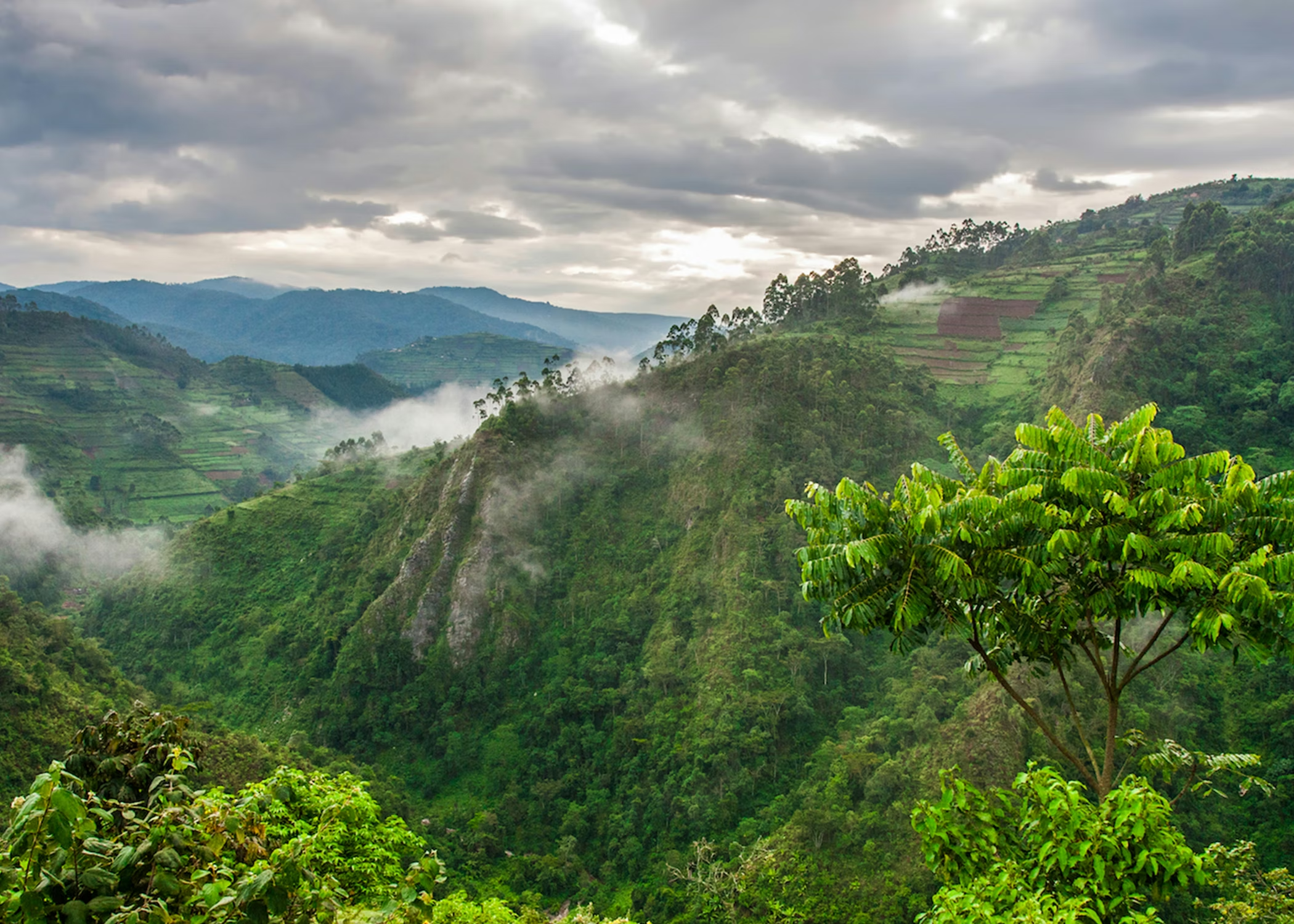
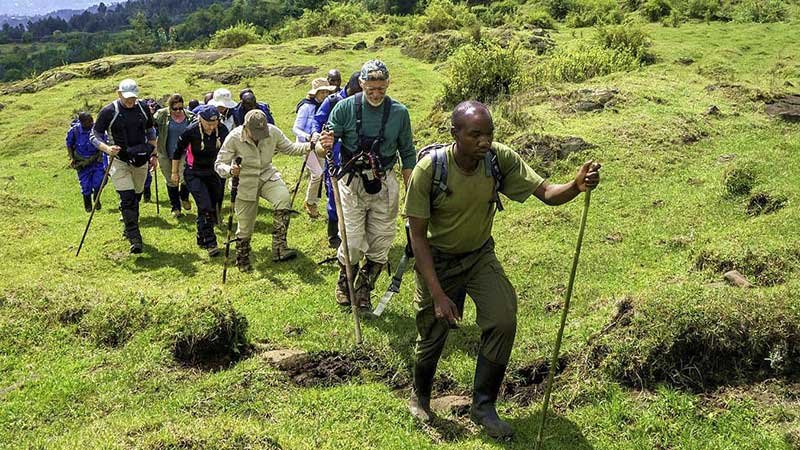
While gorilla trekking is safe, it can be physically demanding. The forests are dense, and trails may be steep or muddy. Therefore, preparation is important.
Hiking for several hours is sometimes required before a gorilla family is reached. However, the difficulty level varies depending on the group assigned.
For instance, some visitors in Volcanoes National Park may reach gorillas within one hour, while others in Bwindi Impenetrable National Park may trek for four to six hours.
Because of this, proper gear should be used. Hiking boots, gloves, and long-sleeved clothing are strongly recommended. Additionally, walking sticks are often provided to assist with balance.
What Happens If a Gorilla Charges?
This is one of the most common concerns about gorilla trekking. However, it should be understood that real attacks are extremely rare.
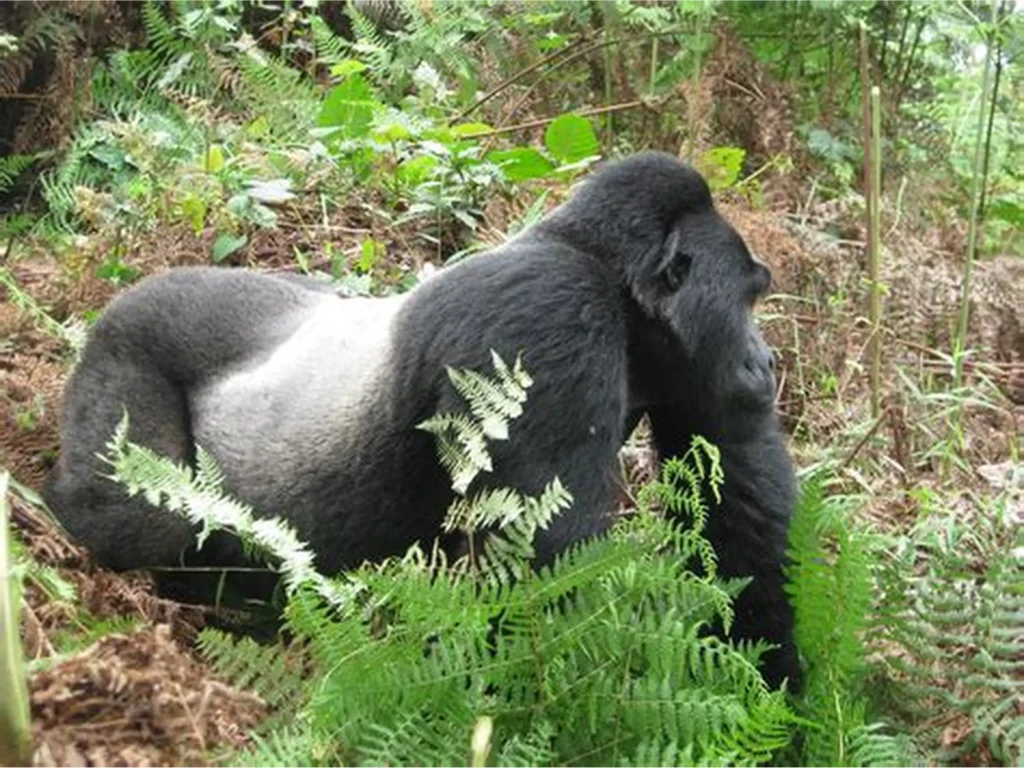
In some cases, a “mock charge” may be displayed by a silverback. This behavior is used to show dominance, not to harm.
When this happens, visitors are instructed to remain calm, avoid eye contact, and follow the ranger’s guidance. Usually, the gorilla will stop and move away after a few seconds.
For example, a guide in Bwindi Impenetrable National Park may signal tourists to crouch quietly while the gorilla passes. Because instructions are followed, no harm is caused.
Safety Tips for Gorilla Trekking
Even though gorilla trekking is well managed, a few personal precautions should still be taken:
- Always listen to your guide
- Stay in your assigned group
- Avoid carrying strong perfumes
- Keep your voice low at all times
- Do not eat near the gorillas
Additionally, hiring a porter is highly recommended. Not only is support provided during the trek, but local communities are also supported financially.
For example, a porter in Mgahinga Gorilla National Park can help carry bags and assist on steep paths, making the experience much easier.
Real Experience Example
A couple visiting Volcanoes National Park once reported feeling nervous before their trek. However, after the briefing, confidence was gained.
During the trek, a gorilla family was found resting in a bamboo forest. The silverback remained calm, and even young gorillas were seen playing nearby.
Although one gorilla moved closer than expected, the guide calmly instructed the group to stay still. Within seconds, the animal lost interest and moved away.
As a result, the couple described their gorilla trekking experience as peaceful, safe, and unforgettable.
Conservation and Safety Go Together
It should be noted that the safety of gorilla trekking is closely linked to conservation efforts. By protecting gorillas and their habitats, safer conditions are created for tourism.
Organizations like the Uganda Wildlife Authority ensure that both wildlife and visitors are protected.
Because tourism generates revenue, local communities are also involved in conservation. This reduces conflicts and increases overall safety in the region.
FAQs About Gorilla Trekking Safety
Is gorilla trekking safe for beginners?
Yes, gorilla trekking is safe for beginners. Clear instructions are given, and guides are always present.
Can children do gorilla trekking?
Only individuals aged 15 and above are allowed. This rule ensures safety for both visitors and gorillas.
Are gorillas dangerous?
Gorillas are powerful animals, but during gorilla trekking, habituated groups are visited. Therefore, they are generally calm and non-aggressive.
What is the biggest risk during gorilla trekking?
The main challenge in gorilla trekking is the terrain, not the gorillas themselves.