Maasai Mara National Reserve Safari Guide
Maasai Mara National Reserve is widely recognized as one of Africa’s most iconic safari destinations because extraordinary
wildlife encounters are experienced throughout the year. Located in southwestern Kenya near the border of Tanzania, the reserve forms part of the greater Serengeti ecosystem, where some of the planet’s most spectacular wildlife migrations occur annually.
The reserve is famous for endless golden savannahs, abundant wildlife populations, dramatic predator action, and luxury safari experiences. Consequently, thousands of travelers from around the world visit Maasai Mara National Reserve every year to experience authentic African safaris.
Because wildlife densities remain exceptionally high within the reserve, unforgettable game drives are conducted during every safari season. Furthermore, the reserve offers outstanding opportunities for photography, cultural experiences, birdwatching, and luxury travel adventures.
History of Maasai Mara National Reserve
Maasai Mara National Reserve was officially established in 1961 as a wildlife sanctuary before being expanded into one of Kenya’s most important conservation areas. The reserve was named after the Maasai people, who have lived alongside wildlife for generations, and the Mara River, which flows through the ecosystem.
Today, the reserve covers approximately 1,510 square kilometers and supports one of the highest concentrations of wildlife in East Africa. Conservation efforts have been strengthened continuously through partnerships between local communities, safari operators, and wildlife organizations.
As a result, Maasai Mara National Reserve has become an internationally celebrated safari destination and an essential part of Kenya’s tourism industry.
Wildlife in Maasai Mara National Reserve

Wildlife viewing is the primary reason why tourists visit Maasai Mara National Reserve. Because the ecosystem supports diverse habitats, including grasslands, riverine forests, and acacia woodlands, a remarkable variety of species is protected successfully.
The Big Five
The reserve is among the best safari destinations in Africa for viewing the famous Big Five animals:
- Lions
- Leopards
- Elephants
- Buffaloes
- Rhinos
Lions are especially abundant within the Maasai Mara National Reserve. Large prides are frequently observed resting beneath acacia trees or hunting across open plains. Therefore, predator sightings are often experienced during both morning and evening game drives.
Leopards are commonly spotted near riverine forests where thick vegetation provides natural cover. Meanwhile, elephants move gracefully across the savannah landscapes, creating memorable photography opportunities for safari visitors.
Cheetahs and Predators
Maasai Mara National Reserve is also regarded as one of Africa’s leading destinations for cheetah sightings. Open grasslands allow these fast predators to hunt effectively, and dramatic chases are occasionally witnessed during safaris.
Additionally, spotted hyenas, jackals, crocodiles, and serval cats are frequently encountered throughout the reserve. Consequently, wildlife enthusiasts enjoy diverse predator experiences during every visit.
Herbivores and Plains Game
Large populations of herbivores are supported within the ecosystem, including:
- Wildebeests
- Zebras
- Giraffes
- Gazelles
- Topis
- Elands
- Impalas
- Hippos
Because grazing animals are widely distributed across the reserve, predators remain active year-round. Therefore, exciting safari moments are created naturally within the ecosystem.
The Great Migration in Maasai Mara

The Great Migration is considered the most famous wildlife spectacle associated with Maasai Mara National Reserve. Every year, millions of wildebeests, zebras, and gazelles migrate from the Serengeti National Park into Kenya in search of fresh grazing land.
The migration usually occurs between July and October, although exact timing depends on rainfall patterns. During this period, dramatic river crossings take place at the Mara River where crocodiles and predators wait strategically.
Because these crossings are unpredictable, each safari experience becomes unique and thrilling. Wildlife photographers, filmmakers, and safari enthusiasts travel globally to witness these extraordinary events firsthand.
Additionally, the migration supports the entire ecosystem by sustaining predator populations and enriching grassland habitats naturally.
Best Things to Do in Maasai Mara National Reserve
Game Drives
Game drives remain the most popular safari activity within Maasai Mara National Reserve. Morning, afternoon, and full-day safaris are conducted by professional guides who help visitors locate wildlife efficiently.
Because the reserve contains extensive open plains, wildlife visibility remains excellent throughout much of the year. Consequently, photography and wildlife observation opportunities are enhanced significantly.
Hot Air Balloon Safaris

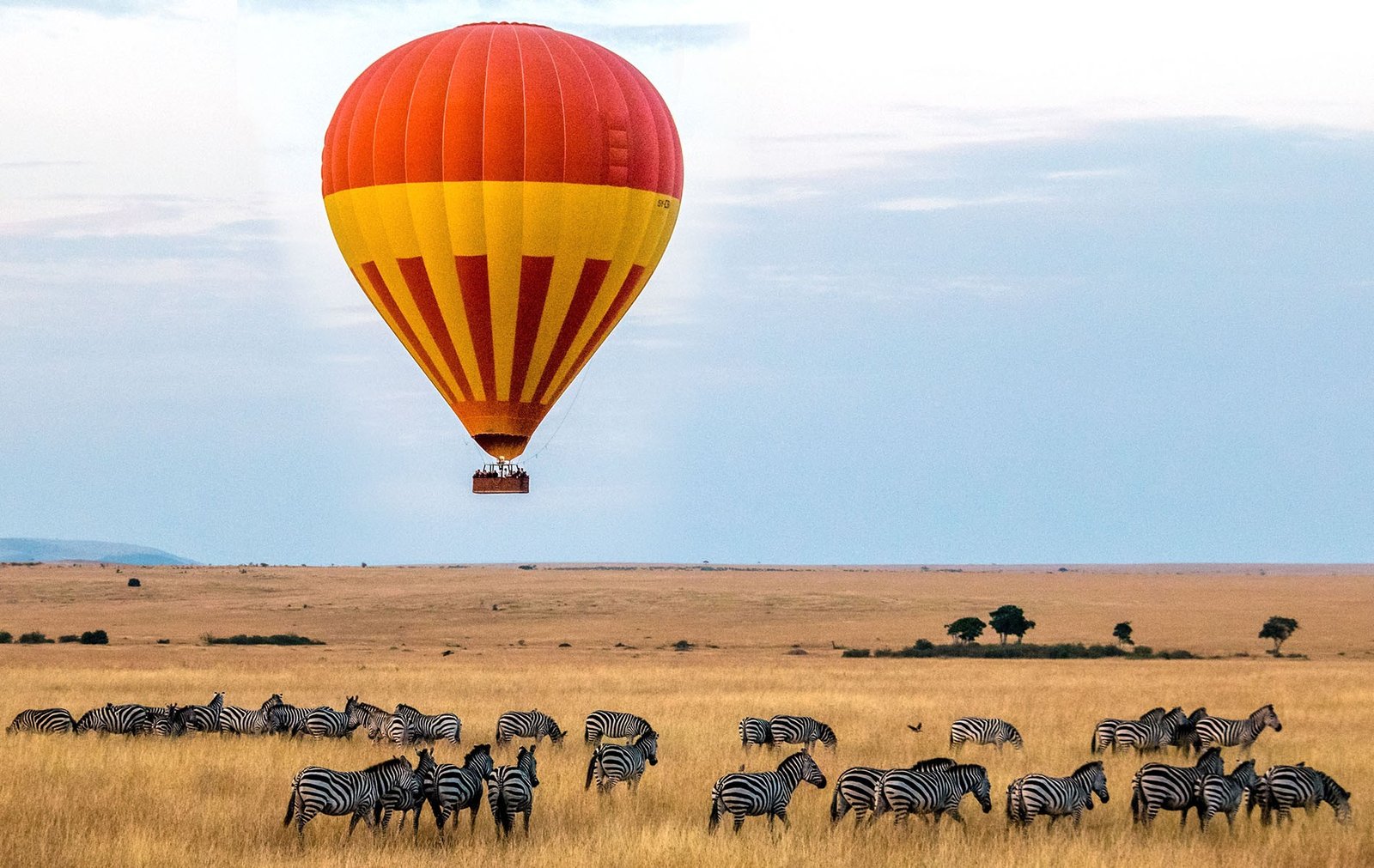
Hot air balloon safaris provide one of the most luxurious experiences in Maasai Mara National Reserve. Flights usually begin before sunrise, allowing guests to witness golden light spreading across the savannah.
Wildlife herds are viewed from above while rivers, forests, and plains create breathtaking scenery beneath the balloon. After landing, champagne breakfasts are often served in the wilderness.
Therefore, balloon safaris are highly recommended for honeymooners, photographers, and luxury travelers.
Cultural Visits to Maasai Villages
Cultural encounters with the Maasai people provide meaningful experiences during Kenya safaris. Visitors are introduced to traditional dances, local crafts, ancient customs, and pastoral lifestyles practiced for generations.
Because community tourism initiatives support local livelihoods, these experiences contribute directly toward sustainable tourism development.
Photography Safaris
Maasai Mara National Reserve is regarded as a paradise for wildlife photographers. Dramatic landscapes, predator interactions, migration scenes, and golden sunsets create exceptional photographic conditions throughout the year.
Consequently, both amateur and professional photographers frequently include the reserve in East African safari itineraries.
Birdwatching in Maasai Mara National Reserve
Birdwatching opportunities are also excellent within the reserve. More than 500 bird species have been recorded across different habitats.
Bird species commonly observed include:
- Secretary birds
- Martial eagles
- Ostriches
- Crowned cranes
- Lilac-breasted rollers
- Vultures
- African fish eagles
Therefore, birdwatchers enjoy rewarding sightings alongside traditional wildlife safaris.
Best Time to Visit Maasai Mara National Reserve
The best time to visit Maasai Mara National Reserve depends largely on safari interests.
July to October
This period is considered ideal for witnessing the Great Migration because massive herds cross into Kenya from Tanzania. Predator action also becomes more intense during these months.
December to February
Dry weather conditions improve wildlife visibility, making this season excellent for predator sightings and photography safaris.
March to May
Rainy seasons create greener landscapes and fewer tourist crowds. Although roads may become muddy occasionally, birdwatching opportunities improve significantly.
However, wildlife viewing remains rewarding throughout the year because resident animal populations stay within the reserve permanently.
Luxury Safari Lodges in Maasai Mara

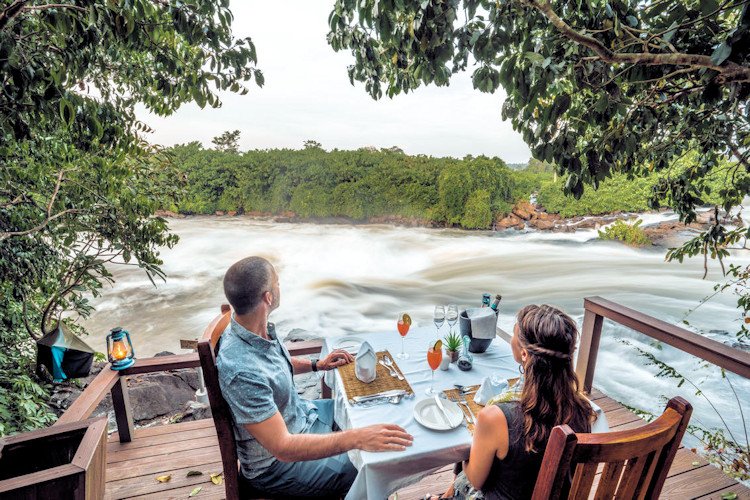
Travelers visiting Maasai Mara National Reserve can choose from luxury lodges, tented camps, mid-range accommodations, and exclusive private conservancies.
Popular luxury safari experiences include:
- Private game drives
- Bush dinners
- Sundowner cocktails
- Spa treatments
- Luxury tented suites
- Personalized safari guides
Accommodations are designed carefully to blend comfort with authentic wilderness experiences. Consequently, guests enjoy exceptional hospitality while remaining close to nature.
How to Get to Maasai Mara National Reserve
Maasai Mara National Reserve can be accessed by both road and air.
By Road
The reserve is approximately 5–6 hours from Nairobi by safari vehicle, depending on road conditions.
By Air
Domestic flights operate daily from Nairobi to several airstrips within the reserve, reducing travel time significantly.
Because both transportation options are available, safaris can be customized according to traveler preferences and budgets.
Why Visit Maasai Mara National Reserve
The Maasai Mara National Reserve offers one of the finest safari experiences in Africa because extraordinary wildlife, breathtaking landscapes, luxury accommodations, and cultural experiences are combined perfectly.
The reserve delivers unforgettable moments, including:
- Big Five encounters
- Great Migration crossings
- Balloon safaris
- Luxury wilderness stays
- Cultural interactions
Consequently, the National Reserve continues to attract nature lovers, honeymooners, photographers, and adventure travelers from every part of the world.
FAQs About Maasai Mara National Reserve
Where is the Maasai Mara National Reserve located?
Maasai Mara National Reserve is located in southwestern Kenya near the Tanzania border.
What is the Maasai Mara famous for?
The reserve is famous for the Great Migration, Big Five safaris, predator sightings, and luxury safari experiences.
When does the Great Migration happen?
The Great Migration usually occurs between July and October each year.
Which animals can be seen in Maasai Mara?
Visitors commonly see lions, elephants, leopards, rhinos, buffaloes, cheetahs, giraffes, zebras, and wildebeests.
Is Maasai Mara good for luxury safaris?
Yes. The reserve offers luxury lodges, private conservancies, balloon safaris, and premium safari experiences.
Book Your Kenya Safari Today
Experience unforgettable wildlife adventures in Kenya with professionally guided safaris to Maasai Mara. Witness the Great Migration, enjoy thrilling game drives, and discover Africa’s legendary wilderness with customized safari packages from Berengei Africa Tours.