Serengeti National Park
Quick Facts:
- Size: 14,763 sq km (5,700 sq miles)
- Established: 1951 (Tanzania’s oldest national park)
- UNESCO Status: World Heritage Site (1981)
- Best Time to Visit: June to October (dry season)
- Known For: The Great Migration, Big Five, endless plains
The Meaning of Serengeti: Endless Plains
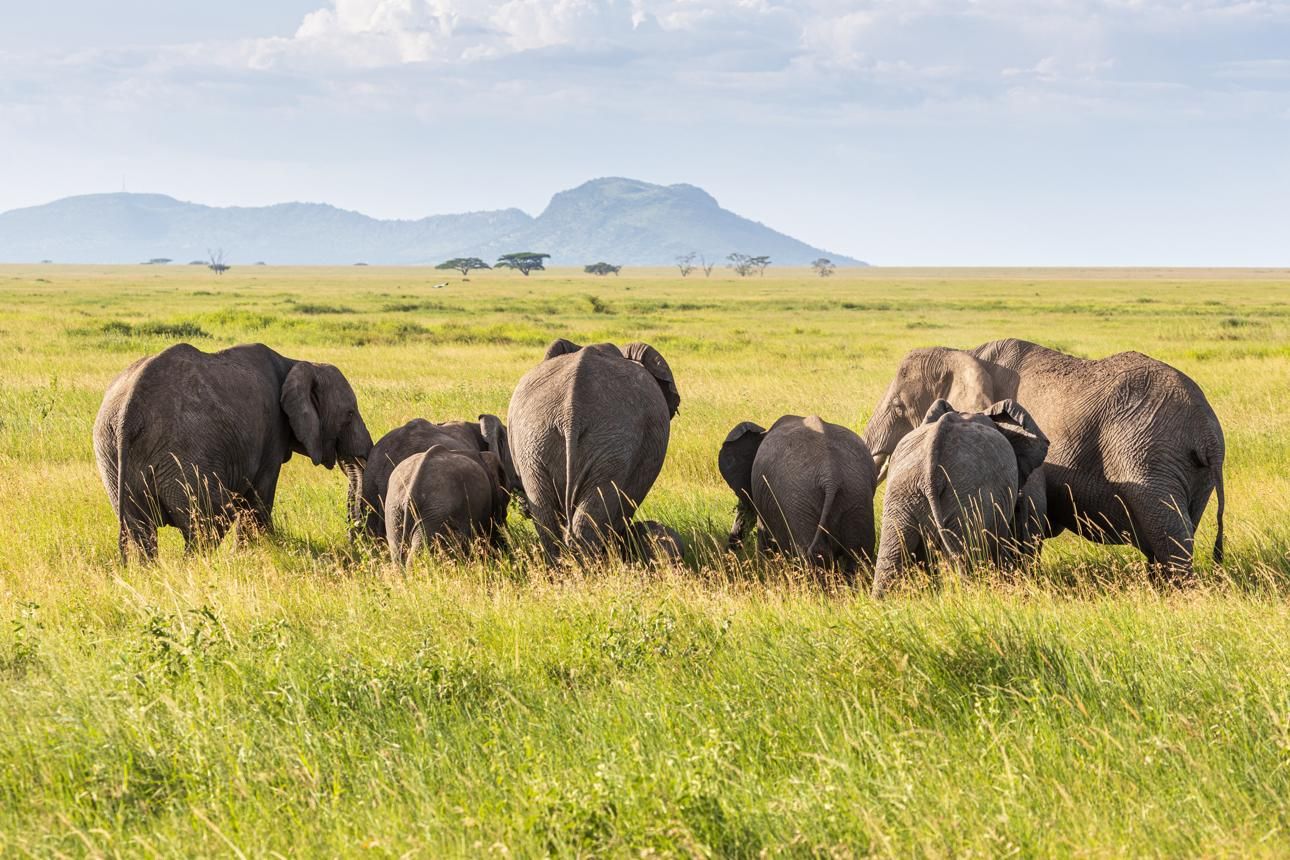
The word “Serengeti” originates from the Maasai language, meaning “endless plains,” a fitting description for this remarkable wilderness. The park is home to the largest concentration of wildlife in Africa, making it a dream destination for photographers, nature enthusiasts, and safari lovers. Standing in the middle of the Serengeti, the horizon stretches infinitely in every direction, creating a humbling sense of scale rarely found elsewhere on Earth.
Where is Serengeti National Park located?
Serengeti National Park is situated in northern Tanzania and forms part of the larger Serengeti ecosystem. It borders the famous Ngorongoro Conservation Area to the southeast and extends northward into Kenya, where it connects with the renowned Maasai Mara National Reserve.
Distance from Major Cities
- Arusha: 335 km (208 miles)
- Kilimanjaro Airport: 330 km (205 miles)
- Nairobi (Kenya): 450 km (280 miles)
- Mwanza: 200 km (124 miles)
Access Options
- By Road: 7-8 hours drive from Arusha
- By Air: Daily flights to Serengeti airstrips
- Charter Flights: From Zanzibar, Dar es Salaam, Mombasa
History of Serengeti National Park
Serengeti National Park was officially established in 1951, making it Tanzania’s oldest national park. It was created to protect the region’s incredible wildlife populations and preserve one of the last remaining ecosystems where large mammal migrations still occur naturally.
In 1959, the Ngorongoro Conservation Area was split from the park to accommodate the Maasai people who traditionally lived in the area. Today, the park is recognized as a UNESCO World Heritage Site and remains one of Africa’s most important conservation areas.
Wildlife in Serengeti National Park
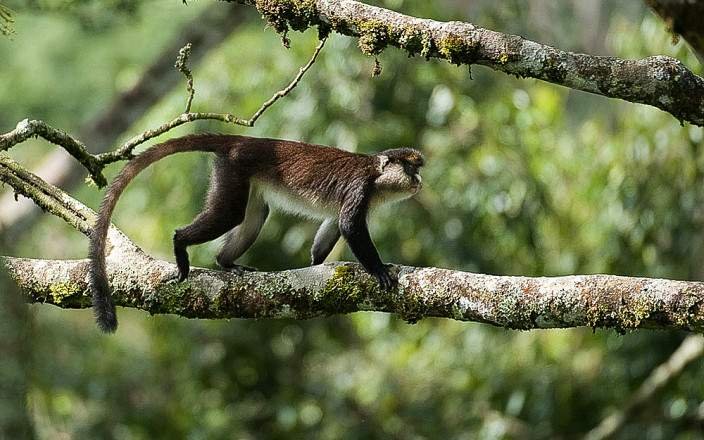
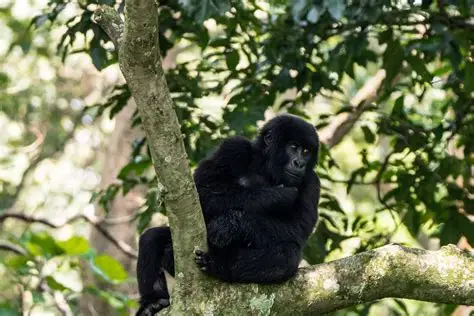
One of the biggest attractions of Serengeti National Park is its extraordinary wildlife diversity. The park supports over 70 large mammal species and more than 500 bird species.
The Big Five in Serengeti
Visitors have excellent opportunities to see Africa’s famous Big Five:
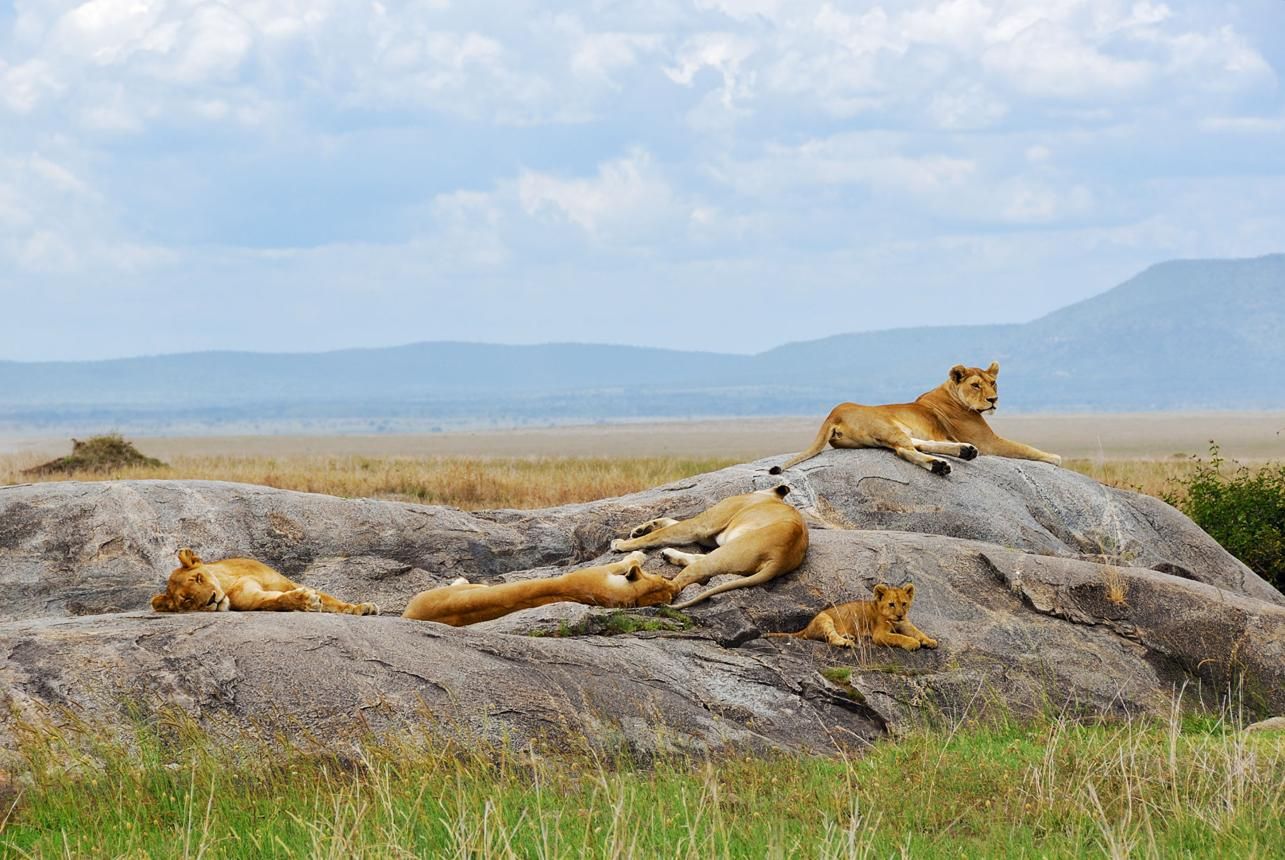
The Serengeti is particularly famous for its large lion population, which is among the highest in Africa, estimated at over 3,000 individuals.
Other Animals Found in Serengeti National Park
- Cheetahs (highest density in Africa)
- Hyenas (spotted and striped)
- Jackals
- Wildebeests (over 1.5 million)
- Zebras (over 250,000)
- Giraffes (Masai giraffe)
- Hippos
- Crocodiles (Nile crocodile)
- Warthogs
- Elands
- Topis
- Gazelles (Thomson’s and Grant’s)
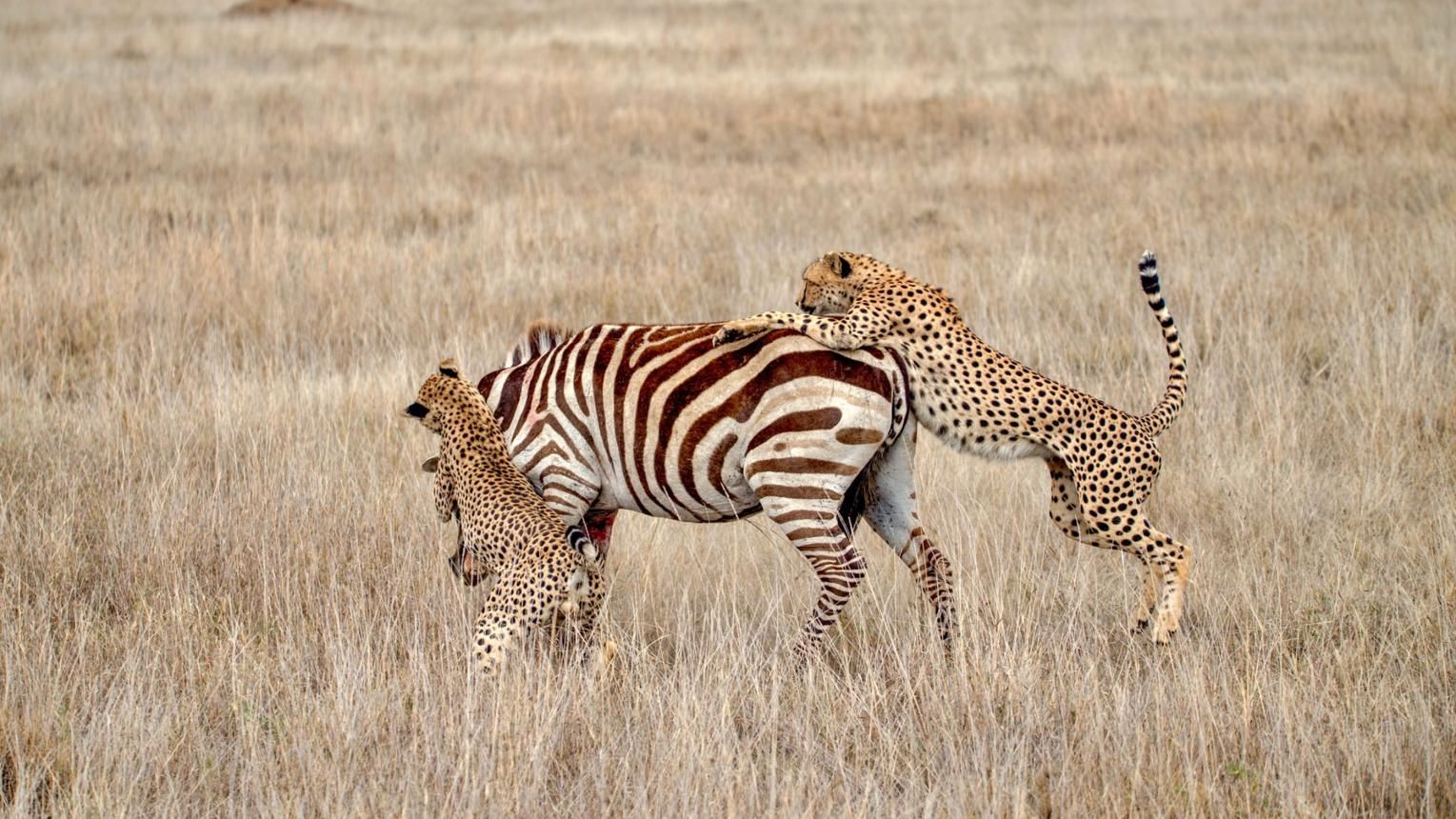
The abundance of prey species makes the Serengeti National Park one of the best places in Africa to witness predator-prey action: lions, leopards, cheetahs, and hyenas hunting daily.
The Great Migration in Serengeti National Park
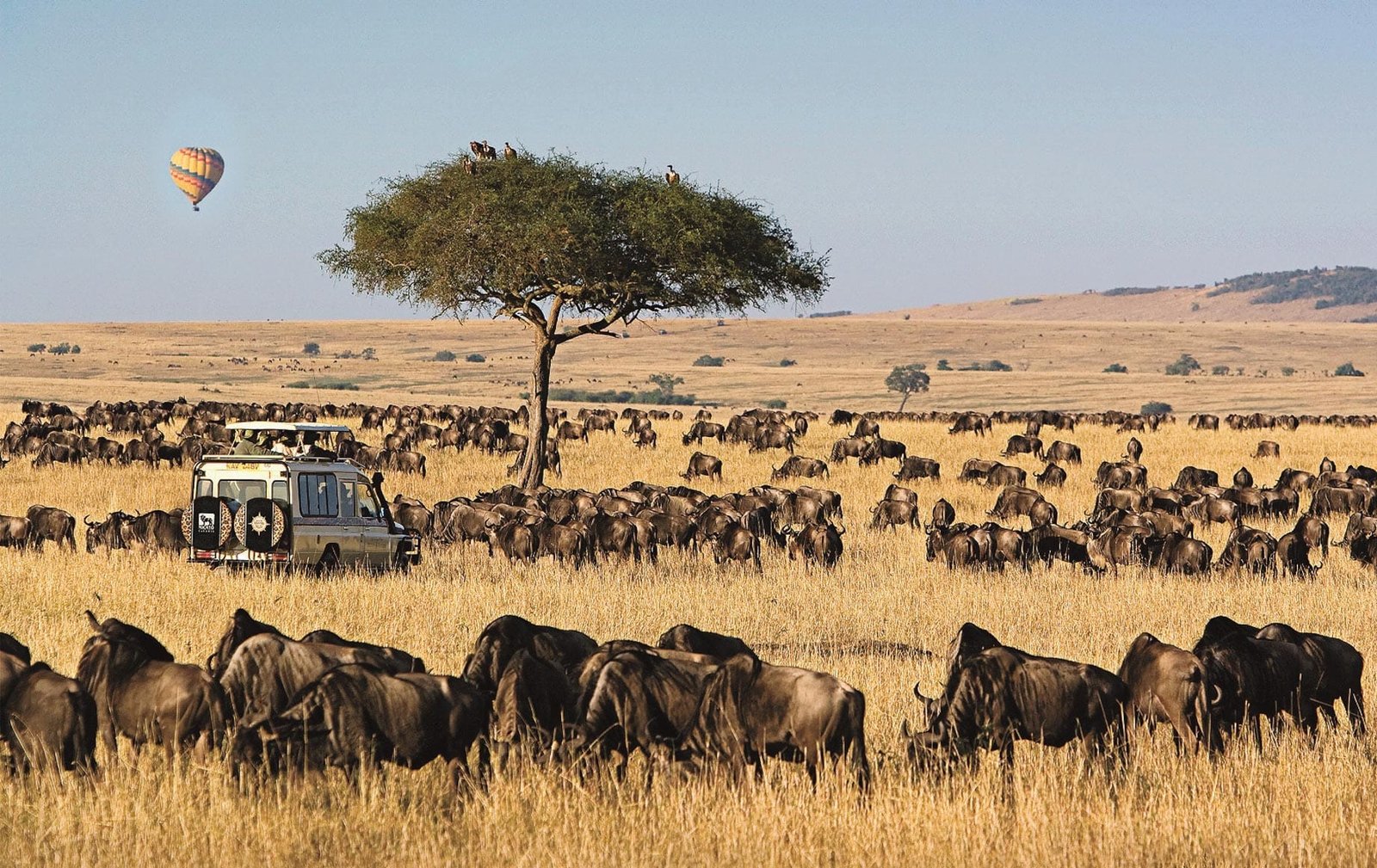
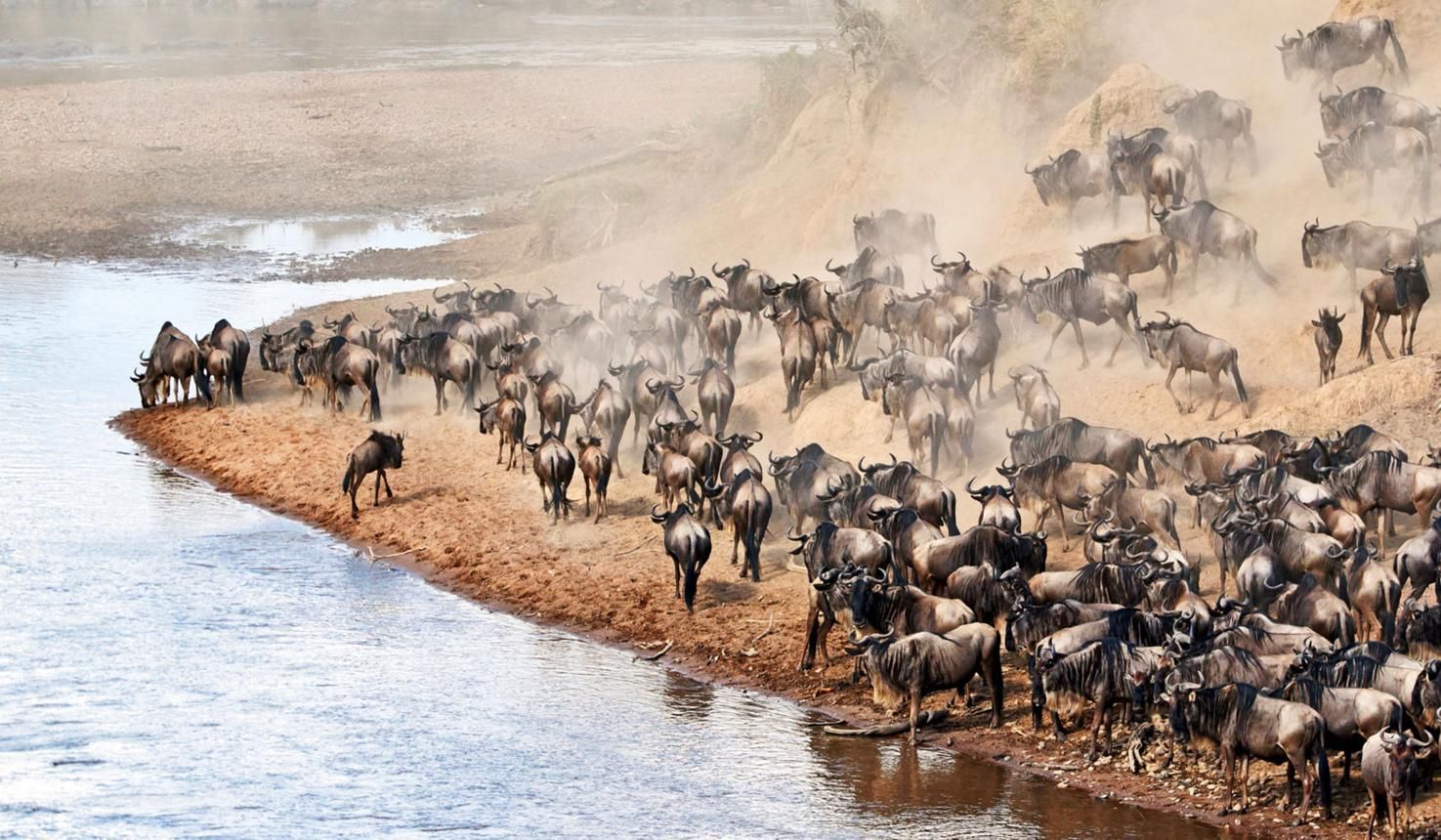
The Great Migration is undoubtedly the most spectacular wildlife event in Serengeti National Park. More than two million wildebeests, zebras, and gazelles move across the ecosystem in search of fresh grazing and water. This continuous movement provides incredible wildlife viewing opportunities throughout the year.
Great Migration Calendar
Best Time to Visit Serengeti National Park
Serengeti National Park can be visited year-round, but the best time depends on your safari interests and what you want to see.
- Excellent game viewing
- Pleasant weather (22-28°C)
- Mara River crossings (July-Oct)
- Fewer mosquitoes
- Fewer tourists
- Lush green landscapes
- Lower accommodation rates
- Calving season (Jan-Feb)
- Excellent birdwatching
Top Activities in Serengeti National Park
Game Drives
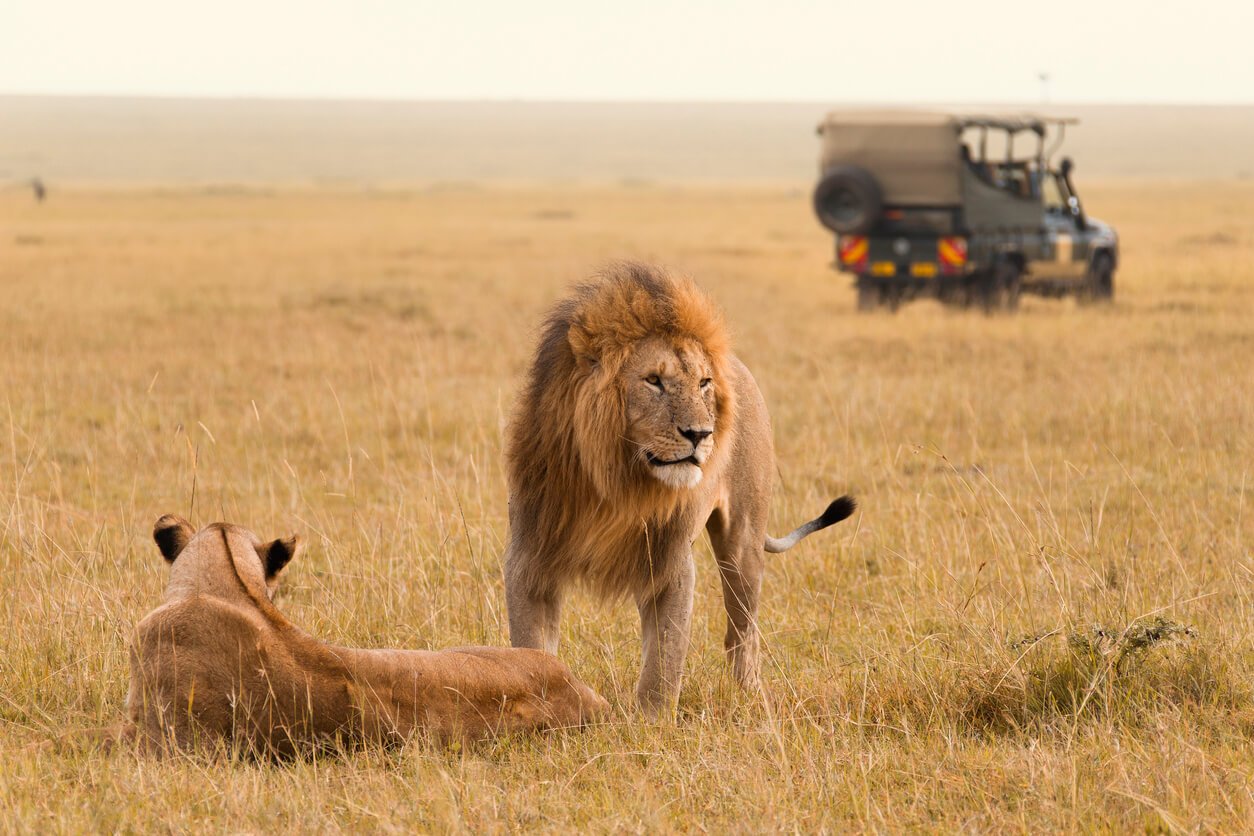
Game drives are the primary activity in Serengeti National Park. Morning and evening drives offer excellent opportunities to observe wildlife in their natural habitats. Night drives are permitted only in certain areas outside the park boundaries.
Hot Air Balloon Safaris
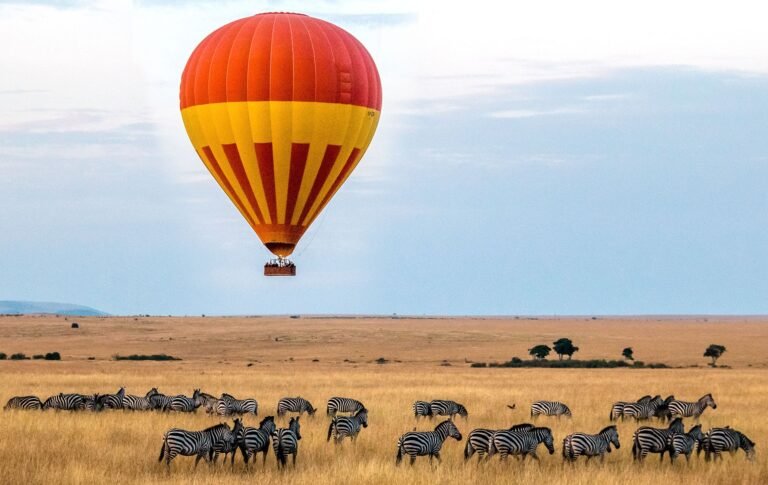
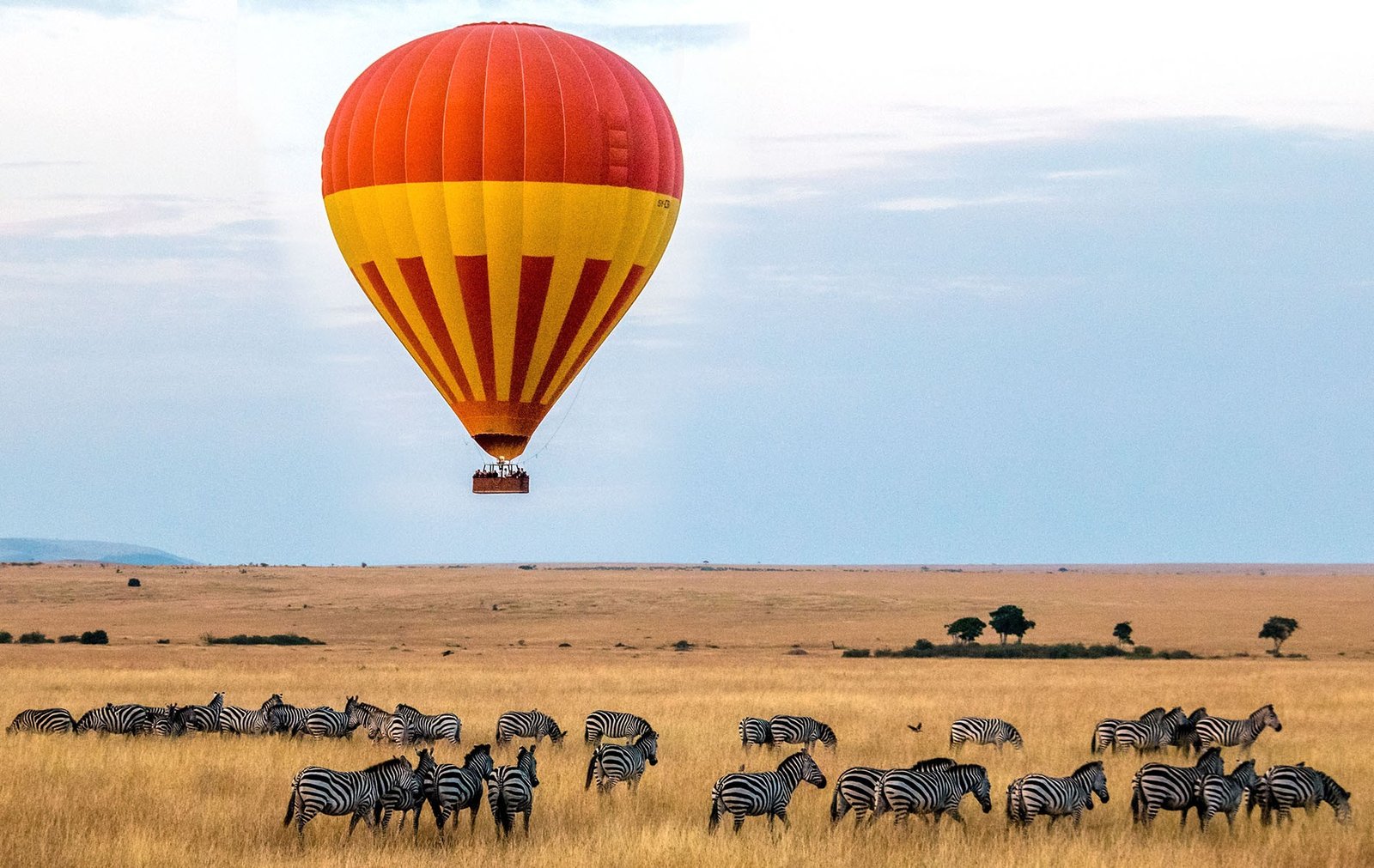
A hot air balloon safari provides a breathtaking aerial view of the Serengeti plains. Watching wildlife from above during sunrise with the savanna stretching endlessly beneath you is an unforgettable experience. Champagne breakfast in the bush follows the flight.
Bird Watching
The park hosts more than 500 bird species, including:
- Secretary birds
- Kori bustards (heaviest flying bird)
- Eagles (fish eagle, martial eagle, bateleur)
- Vultures (7 species)
- Hornbills
- Ostriches
- Lilac-breasted roller (national bird of Kenya/Tanzania)
Photography Safaris
The stunning landscapes, dramatic sunsets, and abundant wildlife make Serengeti National Park one of the world’s premier photography destinations. Golden hour light on the plains is simply unmatched.
Cultural Visits
Visitors can learn about the traditions and lifestyle of the Maasai people who have lived alongside wildlife for generations. Village visits near the park boundaries offer insights into traditional jumping dances, beadwork, and cattle-herding culture.
Accommodation in Serengeti National Park
The park offers accommodation options for every budget and travel style.
Luxury Lodges & Camps
Visitors seeking comfort can stay in luxury safari lodges and mobile camps featuring:
- Spacious suites with en-suite bathrooms
- Fine dining (gourmet meals, wine cellars)
- Swimming pools overlooking watering holes
- Exceptional wildlife views from private decks
- Price range: $600-1,500+ per night
Mid-Range Camps & Lodges
Mid-range camps provide comfortable accommodation with excellent safari experiences at reasonable prices.
- Tented camps with private bathrooms
- Good food and guiding included
- Price range: $300-600 per night
Budget Campsites & Public Camps
Budget travelers can choose campsites that offer an authentic wilderness experience while keeping costs manageable.
- Public campsites (basic facilities, bring your own tent)
- Special campsites (private, more remote)
- Price range: $30-80 per person per night
- Note: Must book through TANAPA (Tanzania National Parks)
Where to Stay Based on Migration Location:
- Southern Serengeti (Dec-Mar): Ndutu area lodges and camps
- Western Corridor (Apr-Jul): Grumeti area camps
- Northern Serengeti (Jul-Oct): Kogatende and Mara River camps
- Central Serengeti (Year-round): Seronera area—best for resident wildlife
How to Get to Serengeti National Park
By Air (Recommended)
Daily scheduled flights operate from:
- Arusha Airport (ARK): 1-hour flight
- Kilimanjaro International (JRO): 1.5 hours
- Dar es Salaam (DAR): 2.5 hours
- Zanzibar (ZNZ): 2.5 hours direct (seasonal)
Airlines: Coastal Aviation, Auric Air, Precision Air, Regional Air. Several airstrips serve different regions of the park: Seronera (central), Kogatende (north), Grumeti (west), Kirawira (west), Ndutu (south), Lobo (north), and Klein’s (north).
By Road (Safari Package)
Road safaris from Arusha typically take 7 to 8 hours of driving time and often include visits to:
- Lake Manyara National Park (2 hours from Arusha)
- Tarangire National Park (known for elephants)
- Ngorongoro Conservation Area (drive through the crater rim)
The road condition from Arusha to Naabi Hill (Serengeti gate) is paved until the park entrance and then gravel inside the park.
Why Serengeti National Park Should Be on Your Bucket List
Few places on Earth rival the natural beauty and wildlife abundance of Serengeti National Park. From witnessing the Great Migration and spotting the Big Five to enjoying breathtaking sunsets across endless plains, every safari in the Serengeti creates lifelong memories.
Whether you are visiting Africa for the first time or are a seasoned safari traveler, Serengeti National Park offers one of the most authentic and rewarding wildlife experiences available anywhere in the world.
Frequently Asked Questions About Serengeti National Park
What is Serengeti National Park famous for?
Serengeti National Park is famous for the Great Migration, where over two million wildebeests, zebras, and gazelles move across the ecosystem each year. It is also renowned for its high predator density (lions, leopards, cheetahs) and endless savanna plains.
How many days do you need in Serengeti National Park?
A minimum of three to four days is recommended to experience the park properly. However, five to seven days allows for a more comprehensive safari, covering different regions of the park (central, north, west) and maximizing wildlife sightings.
Can you see the Big Five in Serengeti National Park?
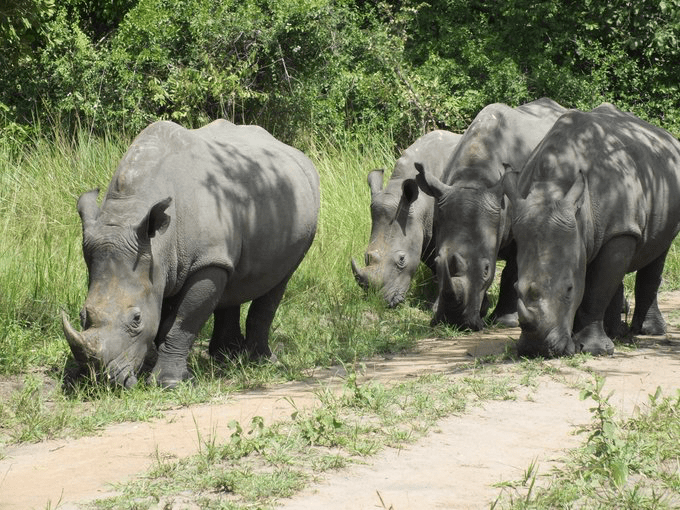
Yes. Serengeti National Park is one of the best destinations in Africa for viewing the Big Five (lion, leopard, elephant, buffalo, rhino). Black rhinos are rare but present in remote areas; your guide will know where to look.
Which country is Serengeti National Park in?
Serengeti National Park is located in Tanzania, East Africa. It borders Kenya’s Maasai Mara National Reserve to the north.
What is the best month to visit Serengeti National Park?
July through October is ideal for wildlife viewing and migration river crossings at the Mara River. January through March is excellent for the calving season in the southern Serengeti — thousands of wildebeest calves are born, attracting dense predator activity.
Is Serengeti National Park safe for tourists?
Yes. Serengeti National Park is very safe for tourists. Professional guides, armed rangers, and well-established protocols ensure visitor safety. Follow your guide’s instructions, stay inside the vehicle during game drives, and respect wildlife.
What is the cost of a Serengeti safari?
Costs vary widely based on accommodation level and season:
- Budget camping safari: $300-400 per day
- Mid-range lodge safari: $500-700 per day
- Luxury safari: $800-1,500+ per day
- Park entry fee: $82 per adult per day (international)
Plan Your Serengeti National Park Safari Today
A safari to Serengeti National Park is more than a holiday; it is a journey into one of the world’s last great wildernesses. With incredible wildlife, world-famous migration spectacles, luxurious lodges, and unforgettable landscapes, Serengeti National Park remains Africa’s premier safari destination and a must-visit for every traveler seeking the ultimate African adventure.
Berengei Africa Safaris specializes in tailor-made Serengeti safaris, including the following:
- Custom private safaris for families, couples, and groups
- Migration-focused itineraries timed to river crossings
- Fly-in luxury safaris for time-conscious travelers
- Combined Tanzania safari packages (Serengeti + Ngorongoro + Manyara + Tarangire)
- Hot air balloon safaris and cultural add-ons