Great Migration, Africa’s Greatest Wildlife Spectacle
The Great Migration is considered one of the most spectacular wildlife events in the world because millions of animals move continuously across East Africa every year. This natural movement takes place between Serengeti National Park and Maasai Mara National Reserve, where massive herds search for greener grass and fresh water throughout changing seasons.
More than two million wildebeests, zebras, and gazelles participate in this journey annually. Consequently, travelers from every continent visit East Africa to witness dramatic river crossings, predator encounters, and breathtaking savannah landscapes during the Great Migration safari experience.
The Great Migration is not simply a movement of animals because it represents survival, instinct, and the natural balance of Africa’s ecosystem. Therefore, this safari experience remains unforgettable for photographers, wildlife enthusiasts, honeymoon travelers, and adventure seekers worldwide.
Where Does the Great Migration Take Place?
The Great Migration occurs within the Serengeti-Mara ecosystem, stretching across northern Tanzania and southwestern Kenya.
Because rainfall patterns influence grass growth, migrating animals continuously move between these protected wildlife regions.
Serengeti National Park
Serengeti National Park hosts large portions of the migration throughout the year. Vast grasslands within the Serengeti provide excellent grazing areas where wildebeests feed and reproduce successfully.
The southern Serengeti becomes especially important during calving season because thousands of wildebeest calves are born daily during this period.
Maasai Mara National Reserve
Maasai Mara National Reserve becomes the migration’s most dramatic stage between July and October when enormous herds cross the Mara River into Kenya.
Because crocodiles wait beneath river waters while predators patrol nearby grasslands, intense wildlife scenes are witnessed regularly during this period.
Animals Seen During The Great Migration
The Great Migration supports one of the richest wildlife ecosystems in Africa because millions of herbivores attract numerous predators throughout the journey.
Wildebeests
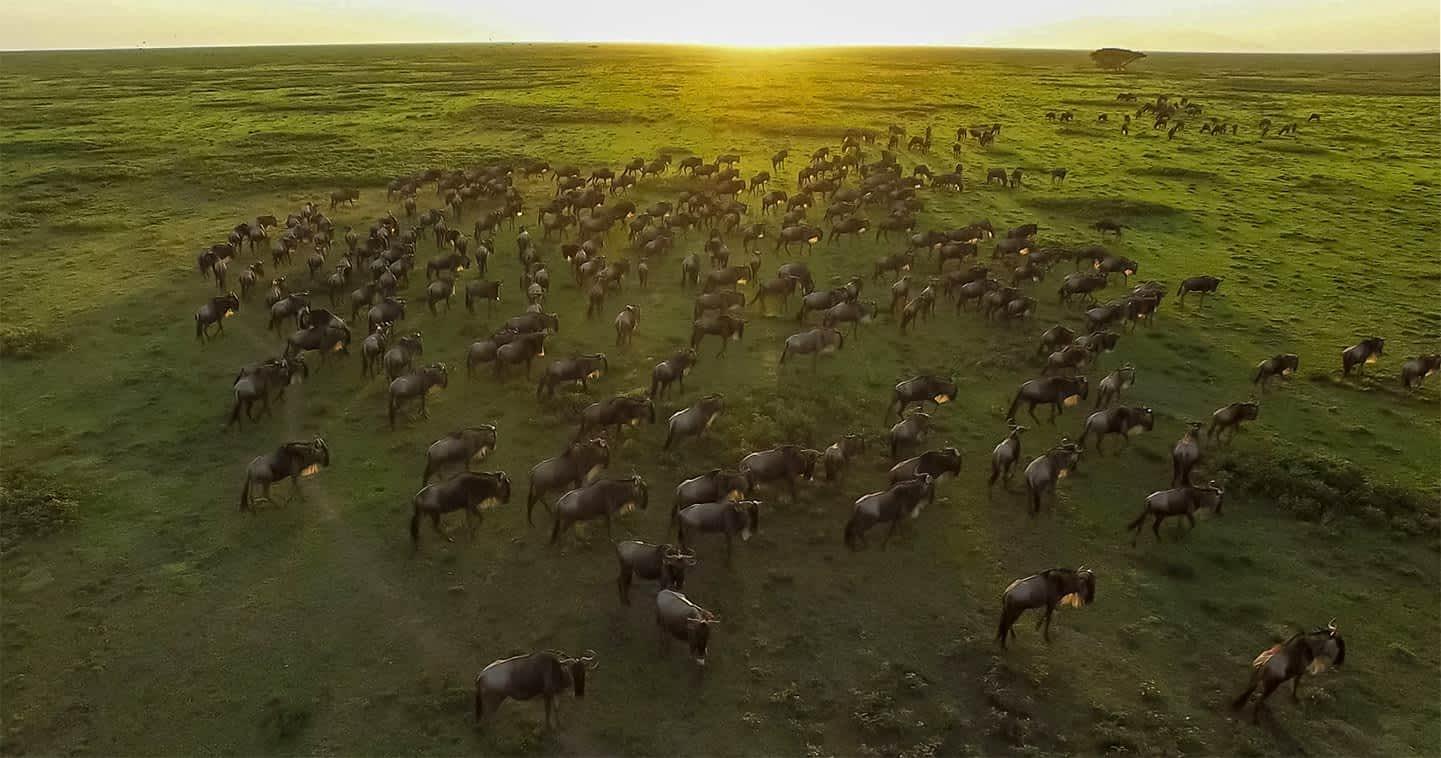
More than 1.5 million wildebeests dominate the migration. These animals travel in giant herds covering enormous distances across East Africa annually.
Zebras
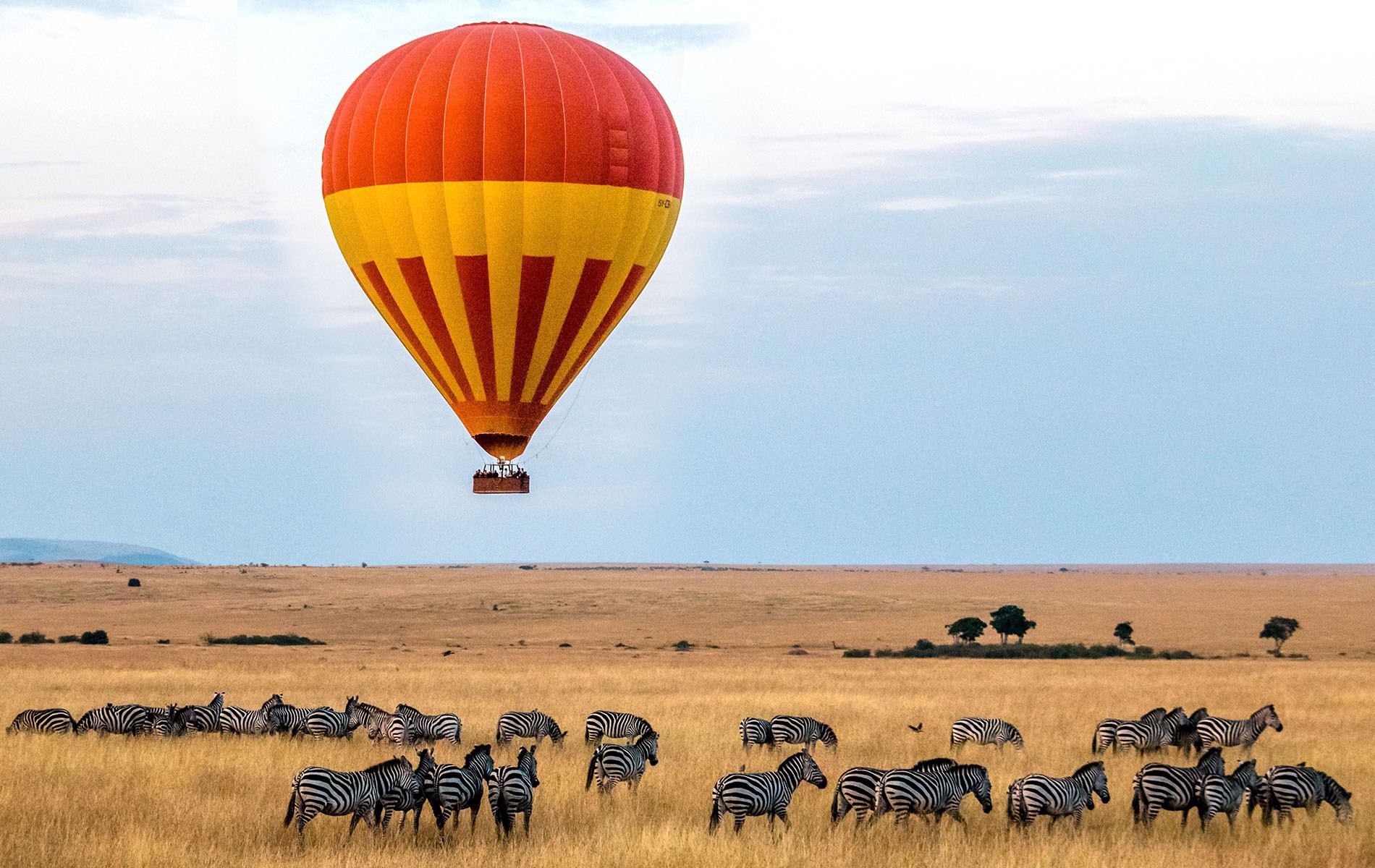
Hundreds of thousands of zebras join the migration while feeding alongside wildebeests. Zebras consume taller grass first, allowing wildebeests to graze on shorter vegetation afterward.
Gazelles
Gazelles move together with larger herds during migration seasons. Their presence contributes significantly to predator activity within the ecosystem.
Predators
The migration ecosystem supports:
- Lions
- Leopards
- Cheetahs
- Hyenas
- Nile crocodiles
Because prey animals remain abundant throughout migration seasons, predator sightings become exceptionally rewarding during safari game drives.
The Mara River Crossings
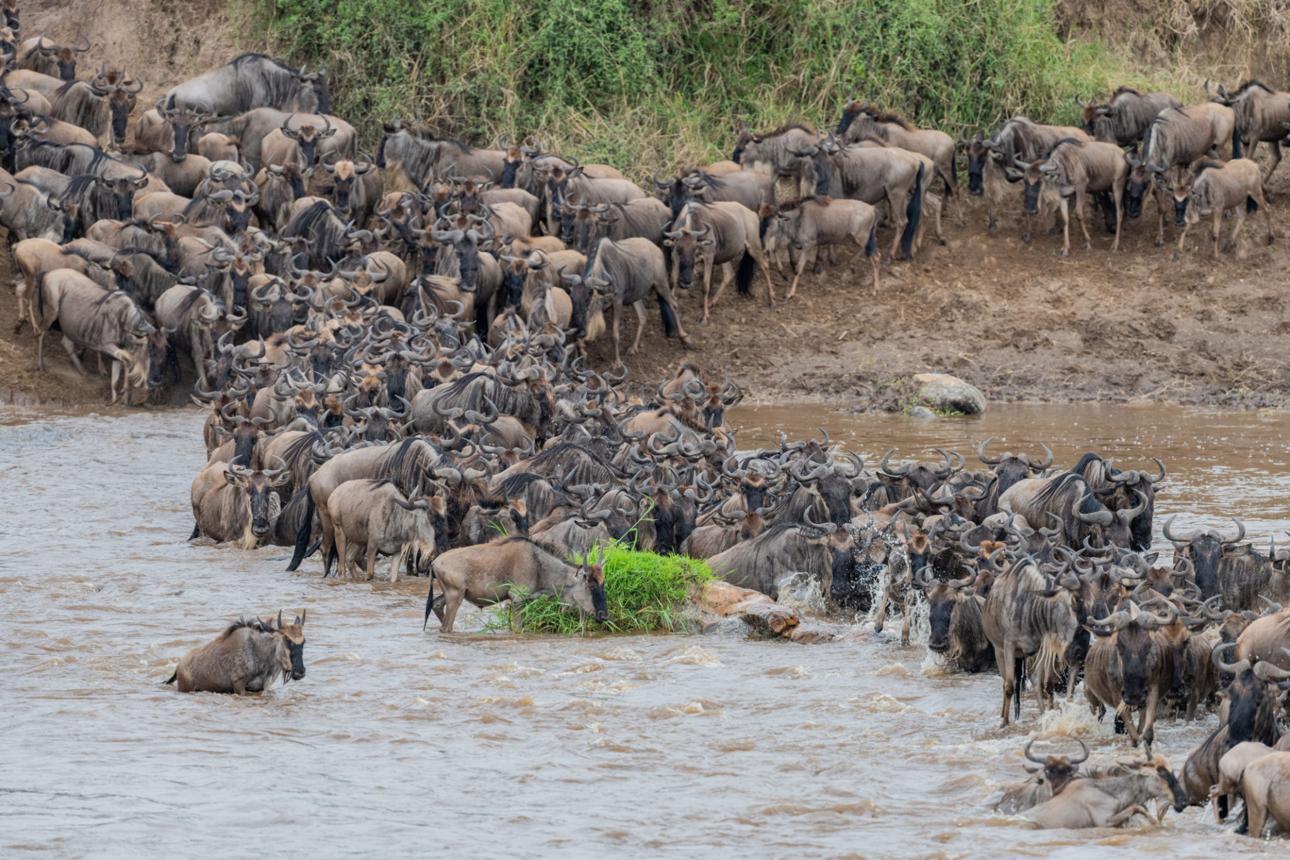
The Mara River crossings represent the most famous stage of the Great Migration because thousands of wildebeests attempt dangerous river crossings filled with crocodiles and strong currents.
Before crossing, large herds gather nervously near riverbanks while waiting for movement signals from leading animals. Suddenly, chaos erupts as thousands of wildebeests charge into the water simultaneously.
Some animals cross successfully while others become victims of predators or river currents. Nevertheless, survival instincts continue driving the migration forward every year.
Because these crossings happen unpredictably, patience and experienced safari guides become extremely valuable during migration safaris.
Calving Season in Serengeti
Between January and March, calving season occurs within the southern Serengeti plains, where nearly half a million wildebeest calves are born within a short period.
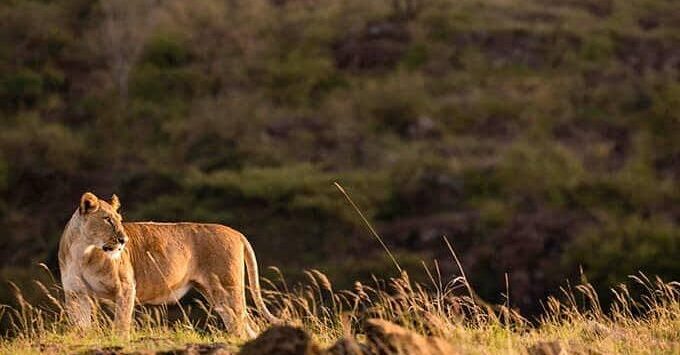
Because newborn calves attract predators immediately, dramatic hunting scenes are frequently witnessed throughout this season. Lions, cheetahs, and hyenas remain highly active around calving areas.
Additionally, the green landscapes created by seasonal rainfall make this one of the most beautiful safari periods in Tanzania.
Best Time to Witness The Great Migration
The Great Migration happens throughout the year because animals continuously move between Tanzania and Kenya. However, different months provide unique safari experiences.
January to March
This season is ideal for calving experiences in the southern Serengeti. Predator sightings also become extremely rewarding during this period.
April to June
Herds move gradually through central and western Serengeti while searching for greener grazing areas.
July to October
This is considered the best time for witnessing Mara River crossings in Maasai Mara National Reserve.
November to December
Herds begin moving southward back into Tanzania as rainfall returns to the Serengeti plains.
Because migration timing depends heavily on rainfall patterns, exact animal locations may vary slightly every year.
Safari Experiences During The Great Migration
Game Drives
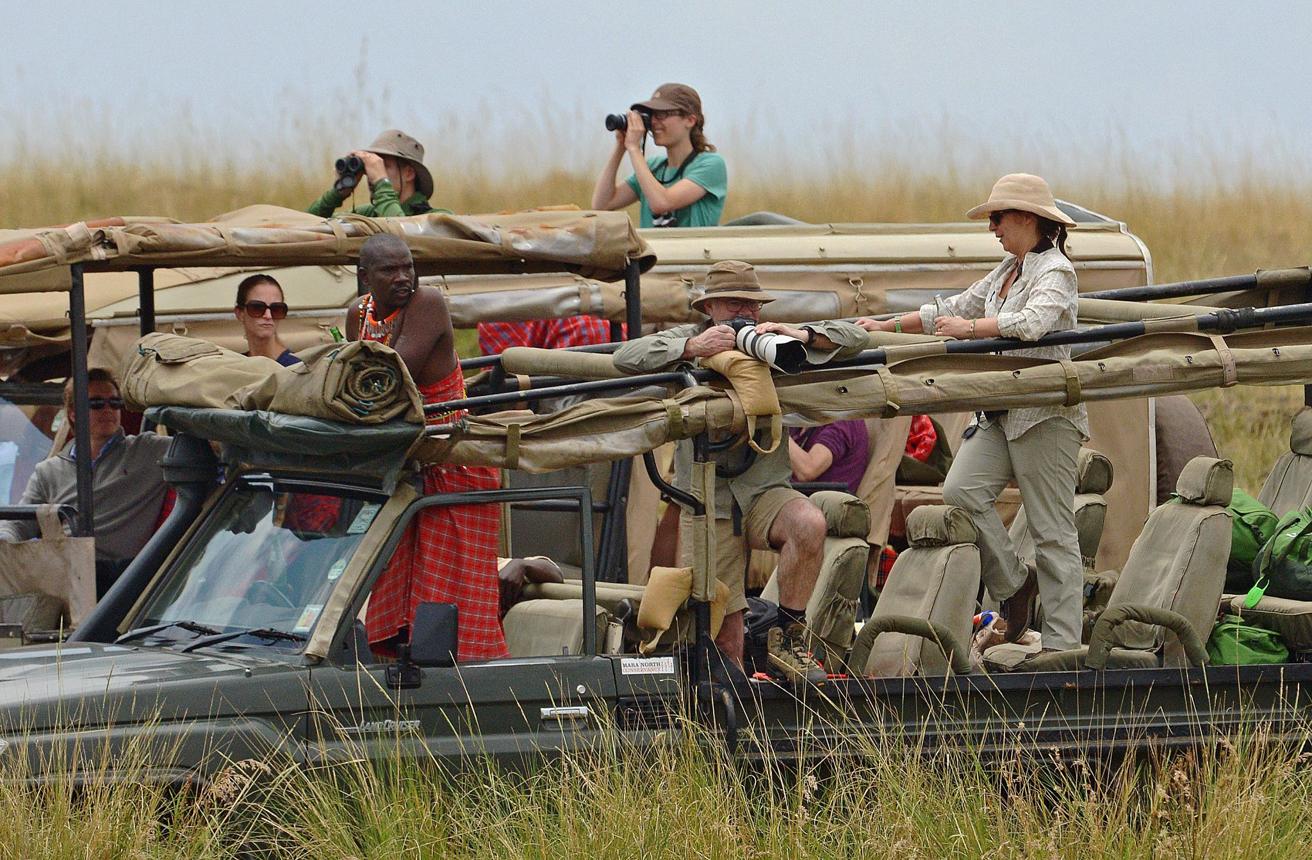
Game drives remain the most popular way to experience The Great Migration because travelers can follow wildlife movements closely with experienced safari guides.
Morning and evening game drives usually provide excellent photography opportunities alongside active wildlife behavior.
Hot Air Balloon Safaris
Hot air balloon safaris offer breathtaking aerial views of migration herds stretching endlessly across the African savannah.
These luxury experiences are highly recommended in the Maasai Mara and Serengeti because sunrise views become unforgettable during balloon flights.
Photography Safaris
Professional photographers and filmmakers travel globally to document The Great Migration because dramatic wildlife moments happen continuously throughout migration seasons.
River crossings, predator hunts, golden sunsets, and giant dust clouds create extraordinary photography conditions.
Luxury Safari Lodges
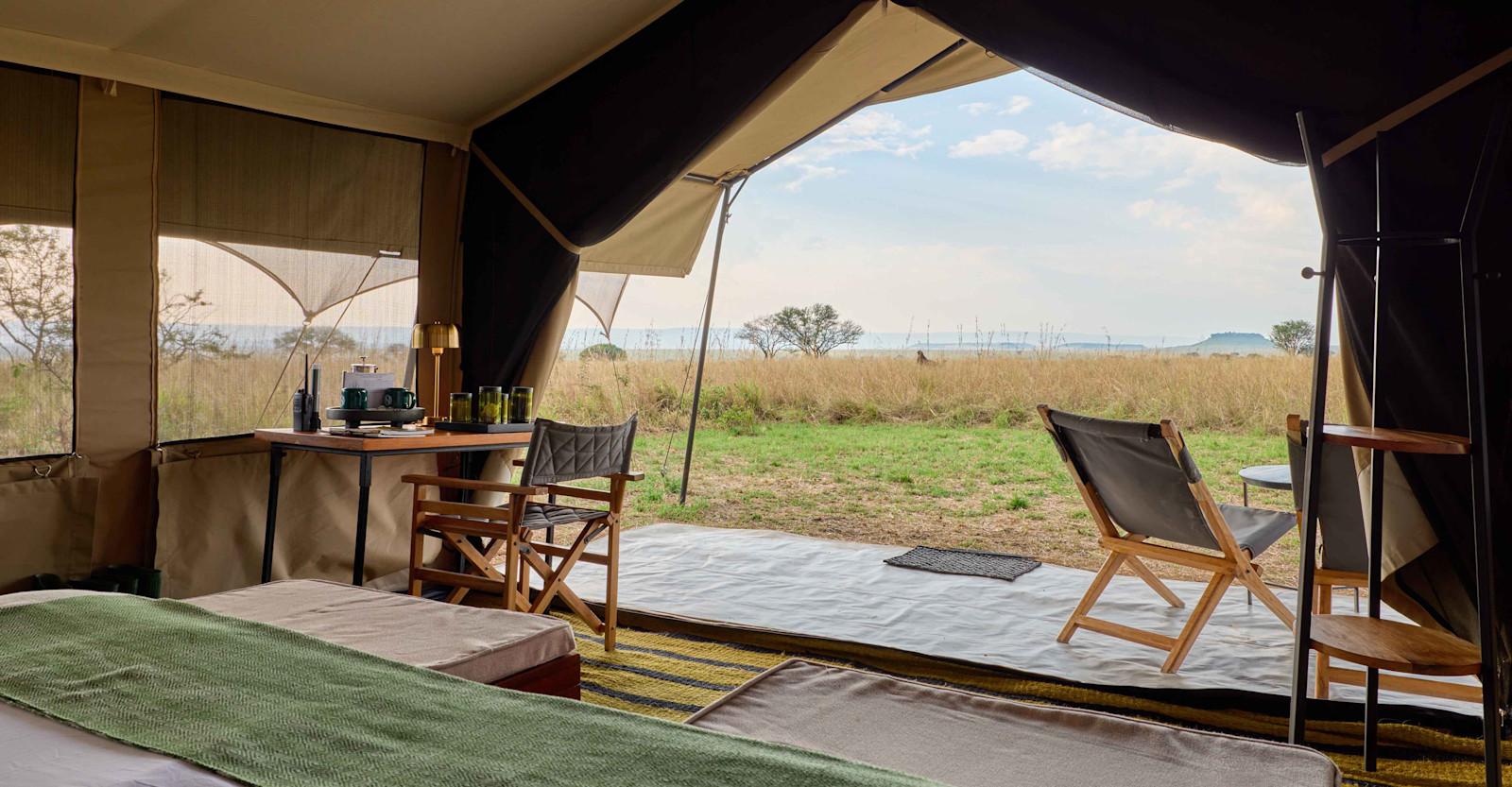
Luxury safari lodges and tented camps are positioned strategically near migration routes. Consequently, travelers enjoy exceptional wildlife access while experiencing comfort within the wilderness.
Popular safari lodge experiences include:
- Bush breakfasts
- Sundowner cocktails
- Private game drives
- Cultural visits
- Outdoor dining experiences
Why The Great Migration Matters
The Great Migration plays a vital ecological role because migrating animals help maintain grassland ecosystems naturally across Kenya and Tanzania.
The movement of millions of grazing animals distributes nutrients, controls vegetation growth, and supports predator populations effectively. Therefore, conservation efforts within Serengeti and Maasai Mara remain extremely important for protecting this ecosystem.
Tourism generated by The Great Migration also supports local communities, wildlife conservation projects, and national park management programs throughout East Africa.
Travel Tips for The Great Migration Safari
Book a safari early.
Migration safaris are extremely popular during river crossing seasons. Consequently, accommodations and safari permits should be secured several months before travel dates.
Carry Proper Safari Gear
Recommended safari items include:
- Neutral safari clothing
- Binoculars
- Camera equipment
- Sunscreen
- Sunglasses
- Comfortable shoes
Choose Professional Safari Operators
Experienced safari guides increase the chances of witnessing excellent migration action because they understand animal behavior and migration routes thoroughly.
Why Travelers Love The Great Migration
The Great Migration creates unforgettable safari memories because raw wildlife encounters, breathtaking landscapes, and dramatic survival scenes are experienced together within Africa’s wilderness.
Watching thousands of wildebeests crossing dangerous rivers while predators hunt nearby creates emotional moments that remain unforgettable forever.
Consequently, the Great Migration continues attracting travelers seeking authentic African safari adventures every year.
FAQs About The Great Migration
What is the Great Migration?
The Great Migration is the annual movement of millions of wildebeests, zebras, and gazelles across Kenya and Tanzania.
Where does the Great Migration happen?
The migration occurs mainly within Serengeti National Park and Maasai Mara National Reserve.
What is the best time to see river crossings?
July to October provides the best opportunities for witnessing Mara River crossings.
Which animals are seen during the migration?
Wildebeests, zebras, gazelles, lions, cheetahs, crocodiles, hyenas, and leopards are commonly observed.
Is The Great Migration worth seeing?
Yes. The Great Migration is considered one of the greatest wildlife spectacles in the world.
Book Your Great Migration Safari
Experience Africa’s most extraordinary wildlife adventure through unforgettable safaris in Kenya and Tanzania. Witness dramatic river crossings, predator action, and breathtaking savannah landscapes during the Great Migration with professionally guided safari experiences.