Lake Nakuru National Park
Lake Nakuru National Park is among the most visited safari destinations in Kenya because extraordinary wildlife experiences are offered throughout the year. The park is widely known for its flamingo-covered shores, thriving rhino population, scenic acacia woodlands, and rewarding game drives. Consequently, thousands of international travelers choose Lake Nakuru National Park for unforgettable wildlife adventures every safari season.
Located in the Great Rift Valley of Kenya, Lake Nakuru National Park covers approximately 188 square kilometers and surrounds the alkaline Lake Nakuru. Although the park is relatively small compared to larger safari destinations, remarkable biodiversity is protected within its boundaries. Therefore, wildlife sightings are frequently enjoyed during short and extended safaris alike.
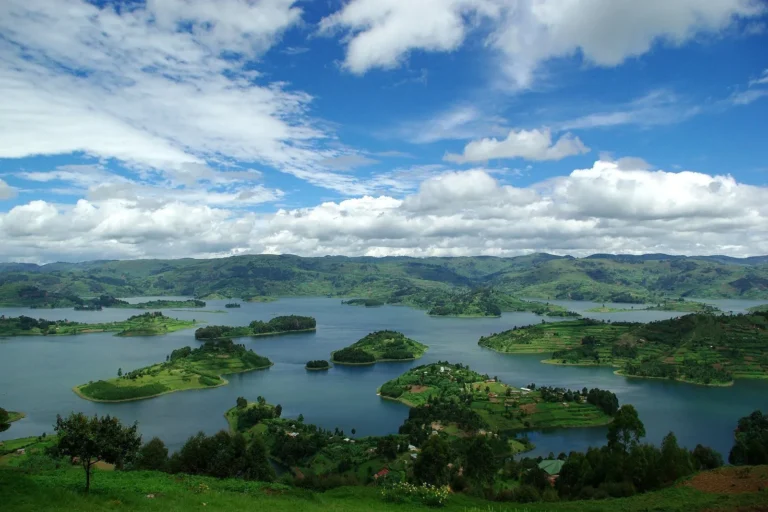
When travelers visit Lake Nakuru National Park, dramatic landscapes are encountered immediately. Open grasslands, rocky escarpments, waterfalls, forests, and lakeside environments are combined beautifully, creating one of East Africa’s most photogenic safari locations. Furthermore, the park’s accessibility from Nairobi makes it highly convenient for tourists seeking short wildlife excursions.
History of Lake Nakuru National Park
Lake Nakuru National Park was first established as a bird sanctuary before national park status was granted officially in 1961. Initially, protection efforts were focused mainly on flamingos and other waterbirds that gathered around the alkaline lake in enormous numbers. However, conservation programs were later expanded to include endangered mammals and habitat restoration projects.
Today, Lake Nakuru National Park is recognized internationally as an important conservation area. Both black rhinos and white rhinos are protected successfully within the park boundaries. In fact, the park is considered one of Kenya’s leading rhino sanctuaries because anti-poaching operations and wildlife monitoring programs are implemented consistently.
Additionally, conservation education programs are conducted regularly to support sustainable tourism practices. As a result, tourism revenue contributes significantly toward wildlife protection and local community development.
Wildlife in Lake Nakuru National Park
Wildlife viewing remains the primary reason why tourists visit Lake Nakuru National Park. Although flamingos are considered the park’s most famous attraction, many large mammals and bird species are also observed regularly during safaris.
Flamingos at Lake Nakuru
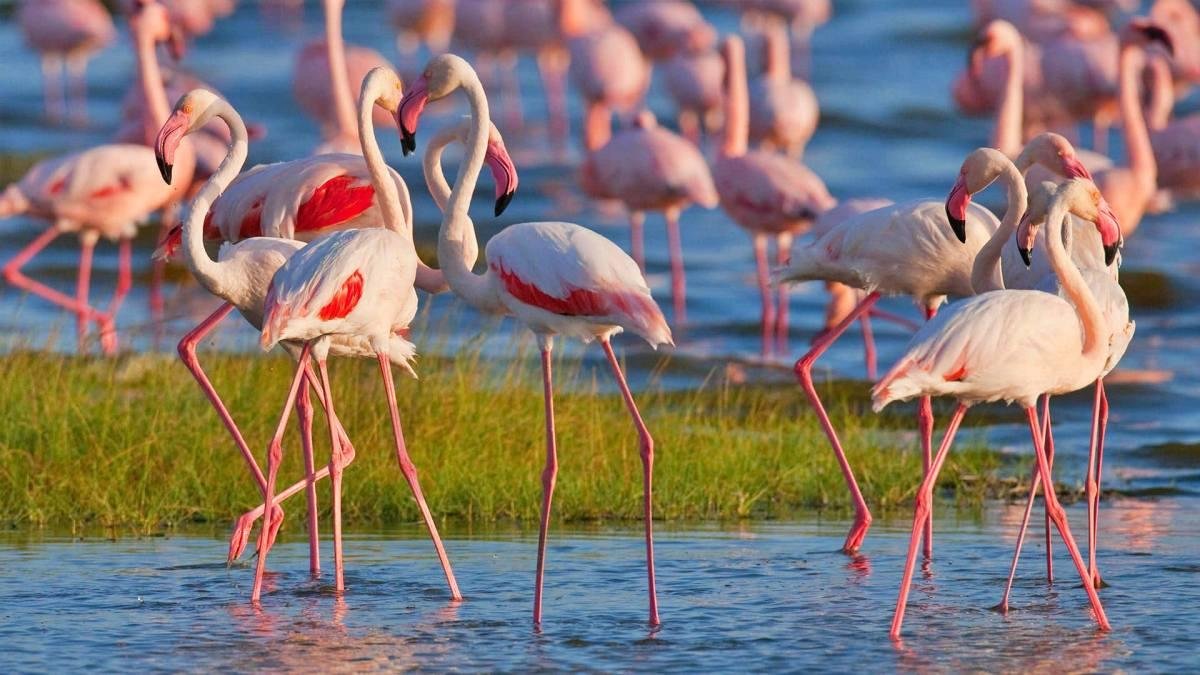
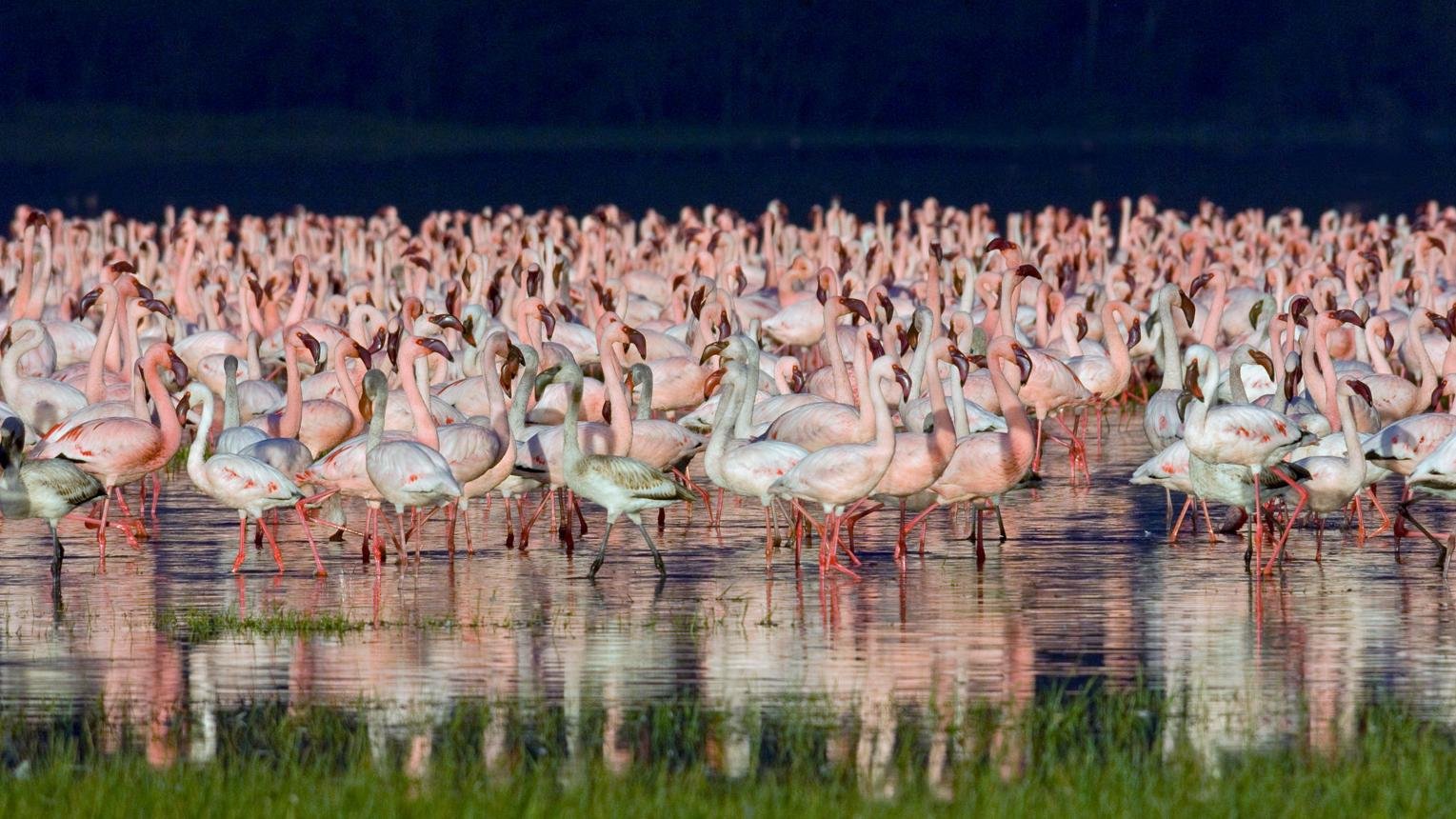
 Nakuru National Park became globally famous because millions of flamingos once covered the shoreline in spectacular pink colors. Both lesser flamingos and greater flamingos continue to visit the lake depending on water conditions and algae levels. Consequently, birdwatchers and photographers travel from around the world to witness these breathtaking scenes.
Although flamingo numbers fluctuate seasonally, rewarding sightings are still enjoyed throughout much of the year. Furthermore, other aquatic birds such as pelicans, cormorants, herons, and African fish eagles are frequently observed near the lake.
Rhinos in Lake Nakuru National Park

Because rhino populations are monitored closely, tourists are often rewarded with excellent sightings during game drives.
Moreover, photography opportunities are enhanced because animals are commonly encountered near accessible roads and open grasslands.
Lions and Leopards
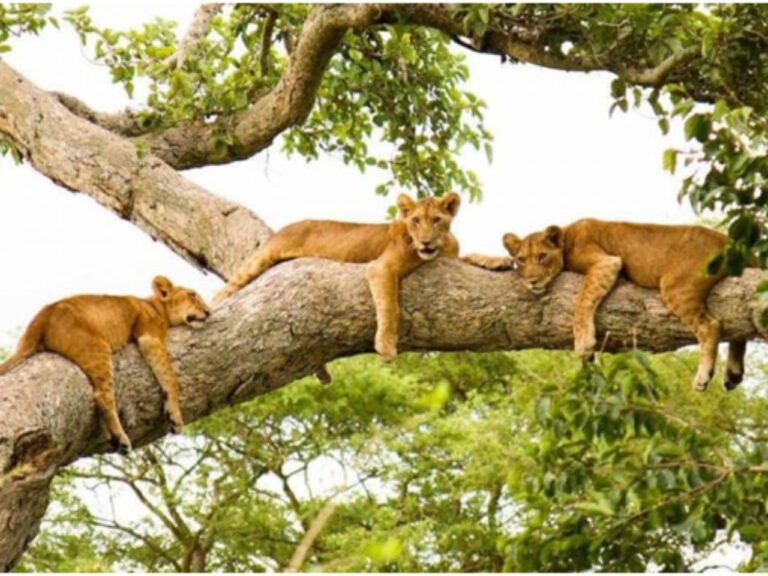
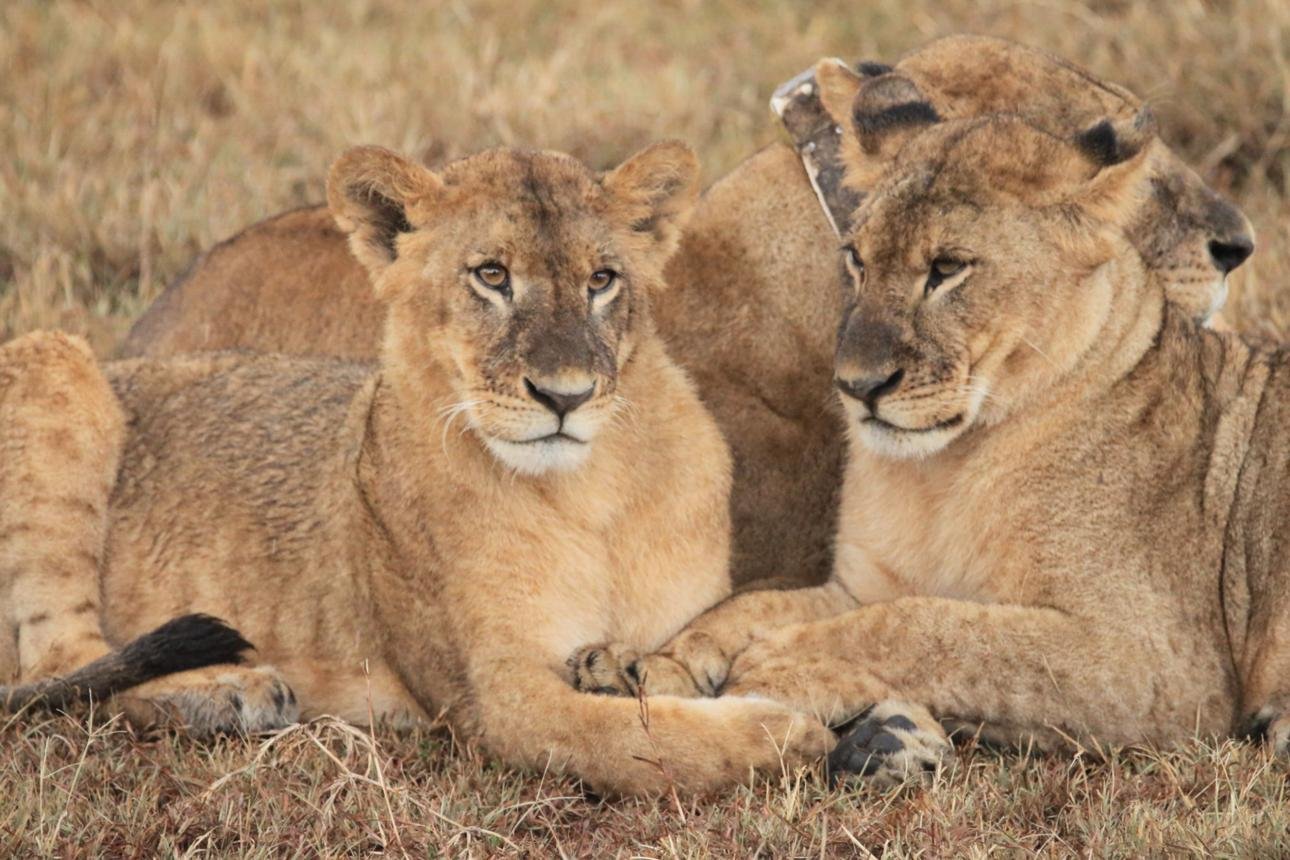
Predators are also present within Nakuru National Park. Lions are frequently spotted resting beneath acacia trees or hunting within the savannah areas. Occasionally, tree-climbing lions are observed, although this behavior is more commonly associated with southern Uganda and Tanzania.
Leopards are protected within the park as well. However, these elusive cats are usually observed during early morning or evening game drives because dense woodland areas provide natural camouflage.
Other Wildlife Species
Additional wildlife species commonly seen include:
- Buffaloes
- Zebras
- Rothschild’s giraffes
- Waterbucks
- Impalas
- Hyenas
- Baboons
- Warthogs
Consequently, diverse wildlife encounters are experienced even during short safari itineraries.
Birdwatching in Lake Nakuru National Park

Bird species commonly observed include:
- Flamingos
- Pelicans
- African fish eagles
- Goliath herons
- Crowned cranes
- Kingfishers
- Storks
- Cormorants
Since different habitats exist within the park, varied bird species are encountered throughout the safari experience. Therefore, birdwatching excursions are highly recommended for travelers seeking specialized wildlife activities.
Best Things to Do in Lake Nakuru National Park
Game Drives
Game drives are the most popular activity in Lake Nakuru National Park. Morning and afternoon safaris are conducted daily, allowing visitors to explore different habitats and wildlife zones comfortably.
Because the park road network is well maintained, wildlife sightings are often enjoyed without long travel distances. Furthermore, professional guides provide educational information about animal behavior, conservation, and ecosystems.
Visit Baboon Cliff
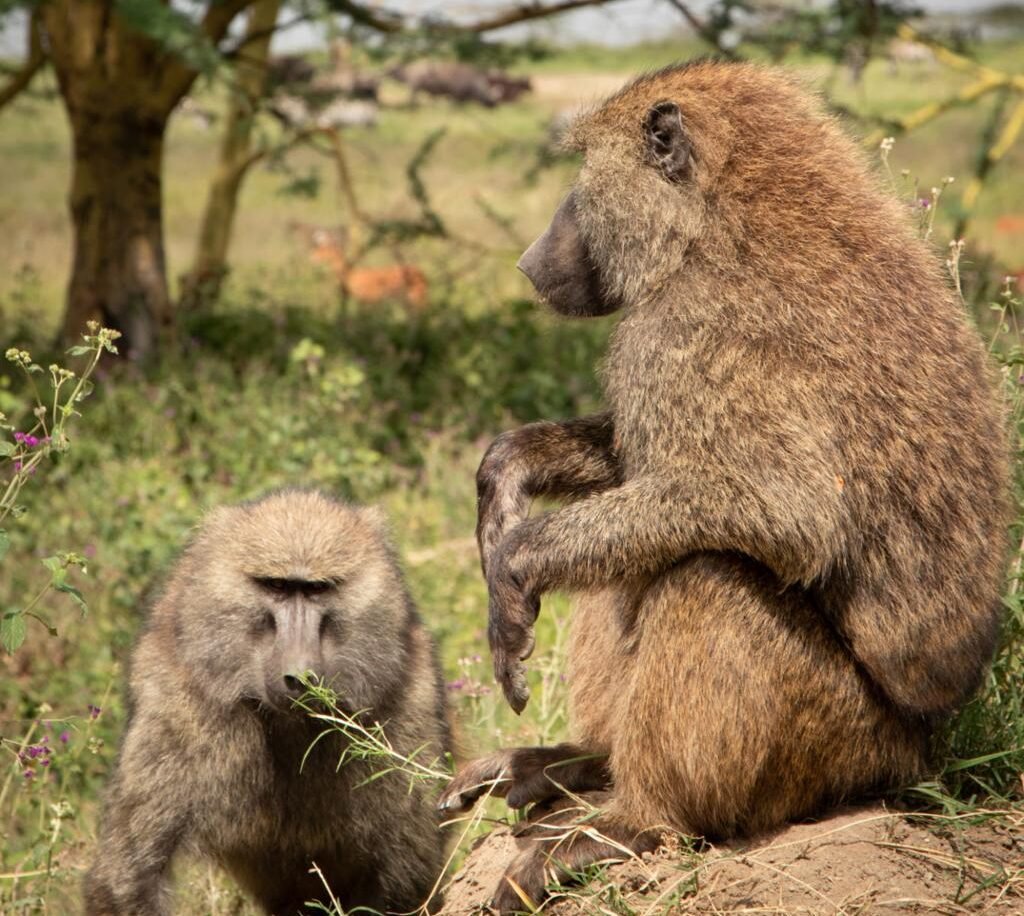
Baboon Cliff is among the most scenic viewpoints in Nakuru National Park. Spectacular panoramic views of the lake, forests, and surrounding escarpments are enjoyed from this elevated location.
Photography opportunities are especially rewarding during sunrise and sunset because golden lighting enhances the landscape dramatically.
Explore Makalia Falls
Makalia Falls is another beautiful attraction within the park. During rainy seasons, powerful water flows create impressive scenery surrounded by lush vegetation.
Picnic activities are often arranged near the falls, allowing visitors to relax while enjoying peaceful natural surroundings.
Photography Safaris
Photography enthusiasts are attracted strongly to Nakuru National Park because exceptional wildlife compositions are available throughout the year. Flamingos, rhinos, giraffes, and dramatic landscapes provide excellent photographic opportunities during every safari.
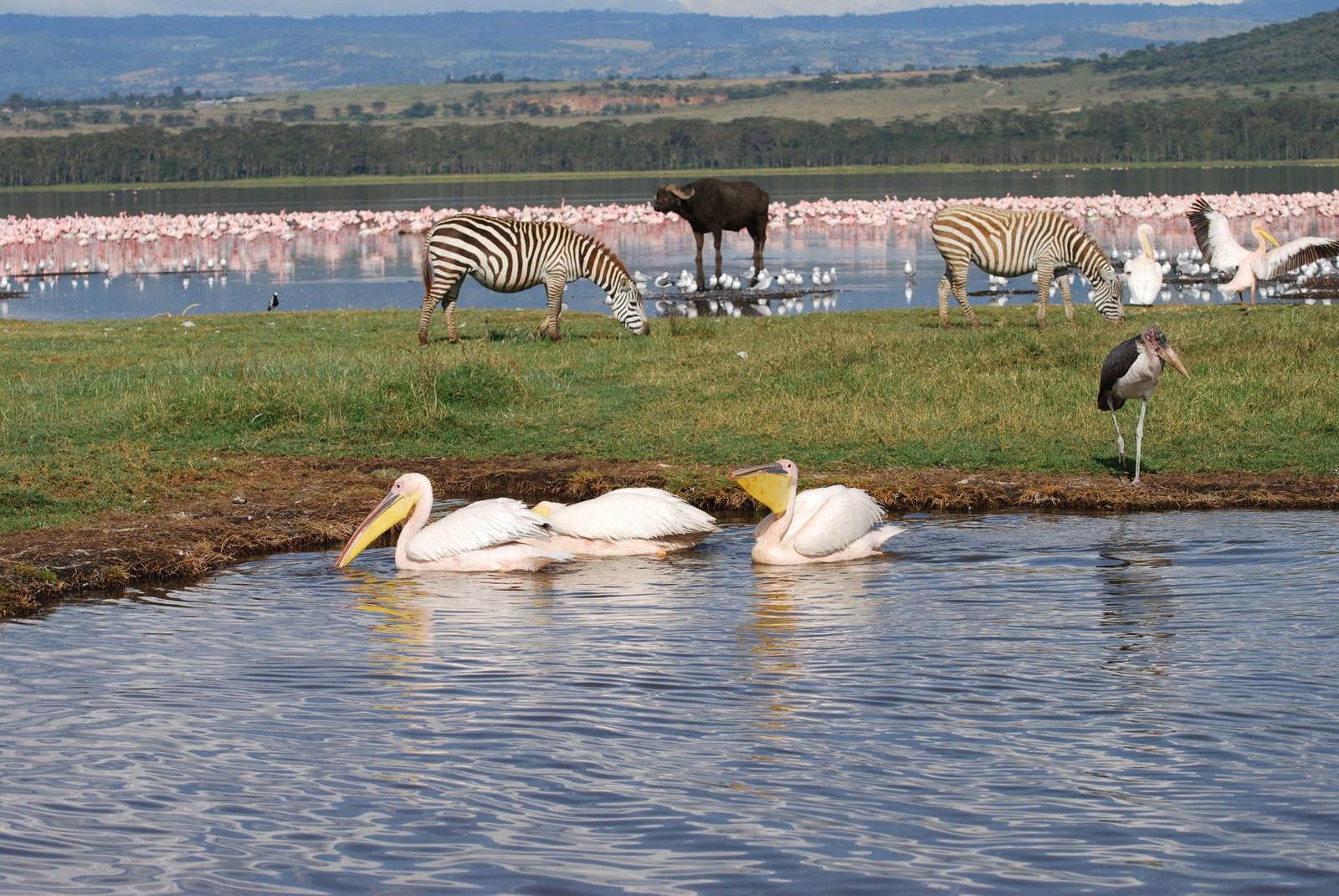
Consequently, many professional photographers include Nakuru National Park in East African wildlife photography itineraries.
Best Time to Visit Lake Nakuru National Park
The dry seasons between June and October as well as January and February are generally considered the best periods for visiting Lake Nakuru National Park. During these months, wildlife is easier to locate because vegetation becomes less dense and animals gather near water sources.
However, the wet seasons also offer unique advantages. Landscapes become greener, birdlife becomes more active, and photography conditions improve significantly. Therefore, Nakuru National Park remains rewarding throughout the year.
Accommodation in Lake Nakuru National Park
Several accommodation options are available near and inside Lake Nakuru National Park. Travelers may choose from luxury lodges, mid-range safari camps, and budget accommodations depending on personal preferences and travel budgets.
Popular accommodation choices include:
- Sarova Lion Hill Game Lodge
- Lake Nakuru Lodge
- The Cliff Nakuru
- Flamingo Hill Camp
Most lodges provide scenic views, comfortable rooms, restaurant services, and guided safari experiences.
How to Get to Lake Nakuru National Park
Nakuru National Park is located approximately 160 kilometers northwest of Nairobi. The journey by road usually takes about three to four hours depending on traffic conditions.
Travelers may access the park using:
- Private safari vehicles
- Scheduled safari tours
- Domestic charter flights to nearby airstrips
Because road access is relatively convenient, the park is frequently included in short Kenya safari itineraries.
Why Visit Lake Nakuru National Park
Lake Nakuru National Park offers a combination of wildlife diversity, scenic landscapes, and accessible safari experiences rarely matched elsewhere in East Africa. Flamingos, rhinos, lions, waterfalls, and Rift Valley scenery are combined beautifully within one protected ecosystem.
Additionally, conservation success stories are witnessed directly through rhino protection initiatives and habitat restoration programs. Consequently, travelers enjoy both adventure and educational experiences during every visit.
Whether visitors seek birdwatching, photography, wildlife safaris, or short Kenya tours, Nakuru National Park continues to provide extraordinary safari memories for travelers from around the world.
FAQs About Lake Nakuru National Park
Where is Lake Nakuru National Park located?
Lake Nakuru National Park is located in Nakuru County within Kenya’s Great Rift Valley region.
What is Nakuru National Park famous for?
The park is famous for flamingos, rhino conservation, scenic landscapes, and rewarding wildlife safaris.
Which animals can be seen in Nakuru National Park?
Visitors commonly see rhinos, lions, giraffes, zebras, buffaloes, baboons, flamingos, and leopards.
How far is Lake Nakuru National Park from Nairobi?
The park is approximately 160 kilometers from Nairobi and can be reached within three to four hours by road.
What is the best time to visit Lake Nakuru National Park?
The dry seasons from June to October and January to February are generally considered ideal for wildlife viewing.
Book Your Kenya Safari Today
Experience unforgettable wildlife adventures in Kenya with professionally guided safaris to Nakuru National Park. Explore flamingo-filled lakeshores, track rhinos during exciting game drives, and discover the breathtaking beauty of the Great Rift Valley with expert safari guides.