How Hard Is Gorilla Trekking in Rwanda? How Fit Do You Need to Be?
How hard is gorilla trekking in Rwanda? This is one of the first questions travelers ask when planning a visit to Rwanda’s famous mountain gorillas. Images of steep volcanic slopes, thick bamboo forests, and challenging hiking trails often make people wonder whether they are fit enough for this once-in-a-lifetime experience.
The truth is that gorilla trekking in Rwanda can be physically demanding, but it is far more achievable than many people expect.
With a moderate level of fitness, proper preparation, and the guidance of experienced park rangers, most visitors successfully complete the trek and leave with memories that last a lifetime.
Gorilla trekking takes place in Volcanoes National Park, part of the Virunga Mountain range that stretches across Rwanda, Uganda, and the Democratic Republic of the Congo.
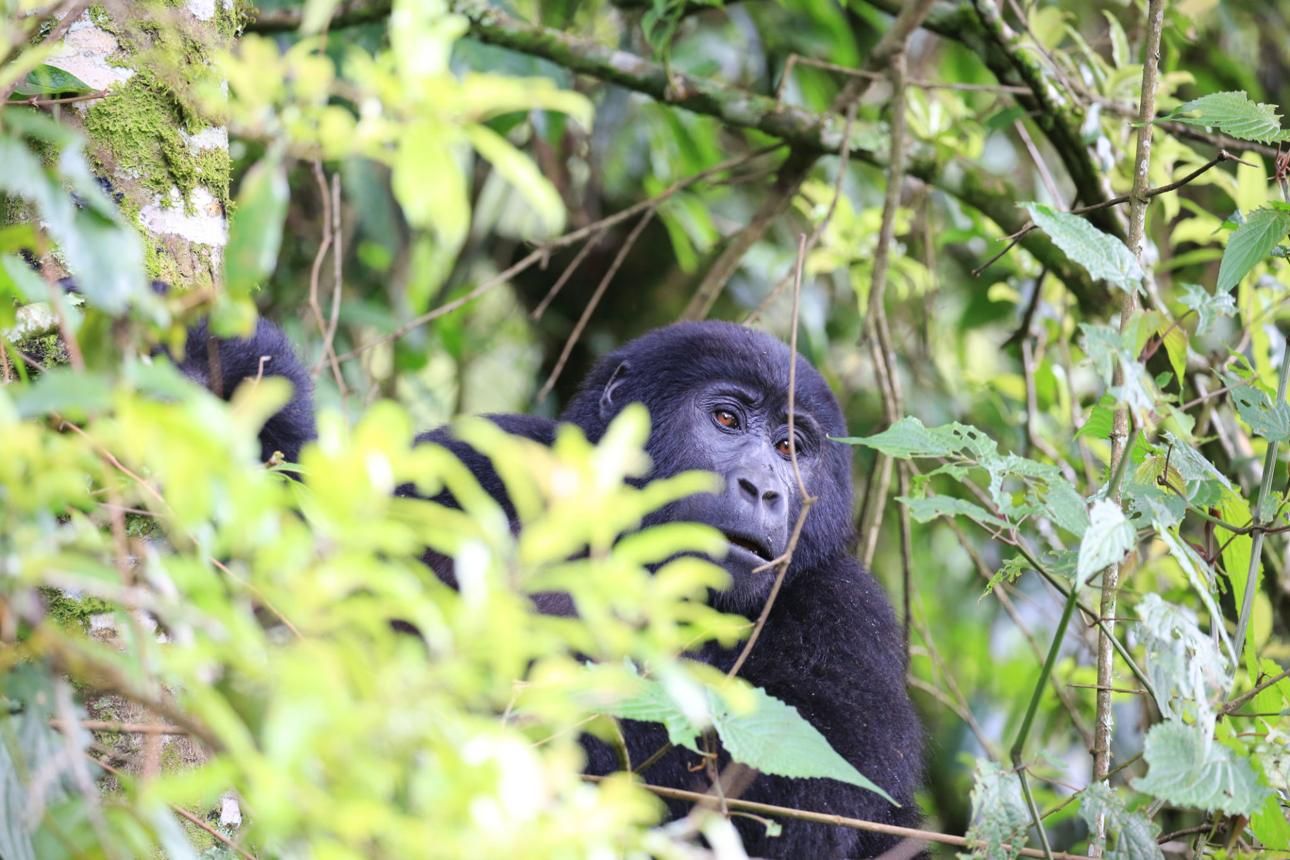
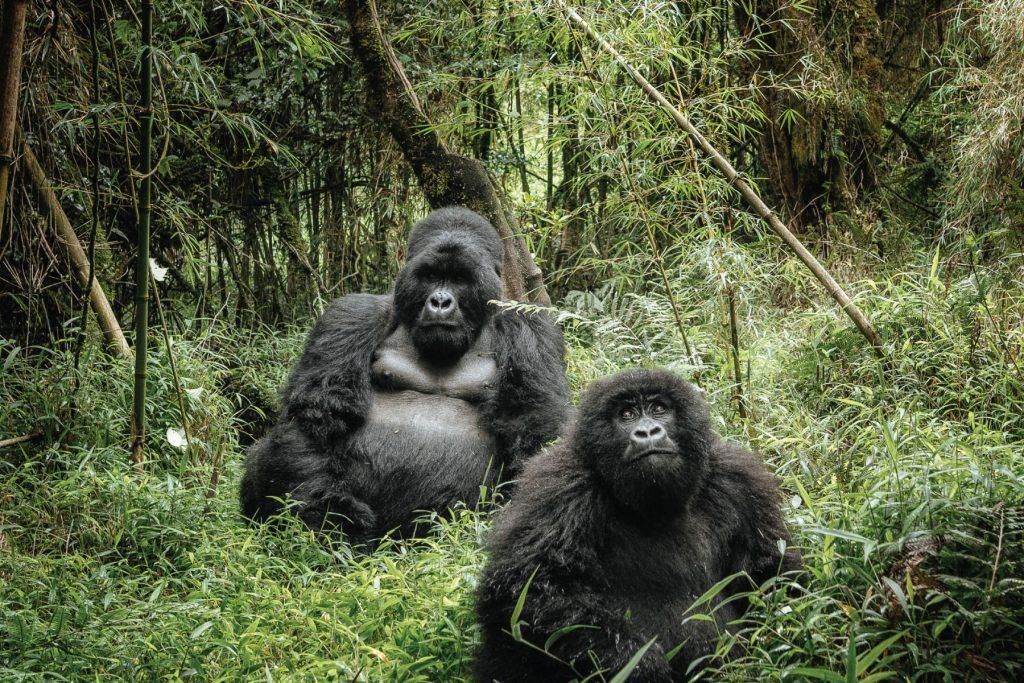
This protected rainforest is home to several habituated mountain gorilla families that visitors can observe for one unforgettable hour.
Although reaching these gentle giants requires effort, the reward of standing just a few metres away from a wild gorilla family makes every step worthwhile.
Table of Contents
- ➤ Understanding the Difficulty
- ➤ How Fit Do You Need to Be?
- ➤ What Makes the Trek More Challenging?
- ➤ Can Older Travelers Go Gorilla Trekking?
- ➤ How to Prepare Before Your Trek
- ➤ What Should You Wear?
- ➤ Should You Hire a Porter?
- ➤ Best Time for Easier Trekking
- ➤ Is Gorilla Trekking Worth the Effort?
- ➤ Frequently Asked Questions
Understanding the Difficulty of Gorilla Trekking in Rwanda
No two gorilla treks are ever the same. Unlike animals kept in enclosed reserves, mountain gorillas roam freely through the forest every day in search of fresh leaves, shoots, and fruit. Before sunrise, experienced trackers head into the forest to locate each habituated gorilla family.
They then communicate their location to the ranger guides, who lead visitors along the safest route.
Because the gorillas move daily, the length of your trek cannot be predicted in advance. Some groups may find their assigned gorilla family within an hour, while others spend four or five hours hiking through the forest. On rare occasions, treks can last even longer.
Therefore, visitors should prepare for a flexible adventure rather than expecting a fixed hiking distance.
The terrain also contributes to the challenge. Volcanoes National Park consists of steep volcanic slopes covered with bamboo forests, giant lobelias, and dense vegetation. Trails can be rocky, muddy, and uneven, particularly after rainfall. However, guides adjust their pace to suit the group, allowing everyone to enjoy the journey safely.
How Fit Do You Need to Be?
One of the biggest myths surrounding gorilla trekking is that only experienced hikers can participate. Fortunately, this is not true. Most healthy adults with average fitness are capable of completing a gorilla trek.
You do not need to run marathons or climb mountains every weekend. If you can comfortably walk for several hours, climb stairs without major difficulty, and manage gentle hills, you are generally fit enough for gorilla trekking. While there will be uphill sections and occasional steep climbs, regular breaks are taken throughout the trek.
Furthermore, park authorities try to match visitors with gorilla families that suit their physical abilities. Older visitors or those who prefer shorter hikes are often assigned gorilla groups that are usually found closer to the park headquarters. Although gorilla movements cannot be guaranteed, this system helps ensure that visitors of different ages and fitness levels can enjoy the experience.
What Makes the Trek More Challenging?
Several natural factors influence how difficult your trek may feel.
The first is altitude. Gorilla trekking in Rwanda takes place between approximately 2,500 and 3,500 metres above sea level. At these elevations, the air contains less oxygen than at sea level, meaning you may become tired more quickly even if you exercise regularly.
Secondly, weather conditions can change rapidly in the Virunga Mountains. A sunny morning may suddenly turn into a light rain shower, making the trails slippery and requiring extra caution while walking. For this reason, waterproof hiking boots are essential.
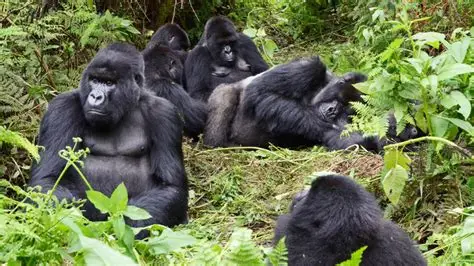
Finally, the dense rainforest itself presents obstacles. You may step over fallen branches, walk through bamboo thickets, or climb short but steep slopes. Nevertheless, the guides are highly experienced and choose the safest route based on the day’s conditions.
Can Older Travelers Go Gorilla Trekking?
Age should never discourage someone from experiencing Rwanda’s mountain gorillas. Every year, people in their sixties, seventies, and even eighties successfully complete gorilla treks.
The key is to be honest about your fitness level during the morning briefing. Ranger guides consider visitors’ ages and physical abilities when assigning trekking groups. In addition, experienced porters are available to assist by carrying backpacks and providing support on difficult sections of the trail.
Rwanda has also introduced sedan chairs, commonly known as the “African Helicopter.” These specially designed chairs allow visitors with mobility challenges to be carried through the forest by trained porters, making gorilla trekking accessible to more people than ever before.
How to Prepare Before Your Gorilla Trek
Preparing for gorilla trekking does not require months of intensive training. However, improving your fitness a few weeks before your trip can make the experience much more enjoyable.
Walking is one of the most effective forms of preparation. Aim for at least thirty to sixty minutes of walking several times each week. If possible, include hills or uneven trails similar to those found in Volcanoes National Park.
Strengthening your legs through exercises such as squats, lunges, and step-ups will also improve your balance and endurance. Additionally, climbing stairs is an excellent way to prepare for the uphill sections of the trek.
Equally important is staying hydrated and getting enough rest before your trekking day. Arriving well-rested allows your body to adjust more easily to the higher altitude. What to carry when going for gorilla trekking.
What Should You Wear for Gorilla Trekking?
Choosing the right clothing can make a significant difference to your comfort during the trek. Waterproof hiking boots with good ankle support are strongly recommended because the trails may be muddy and uneven.
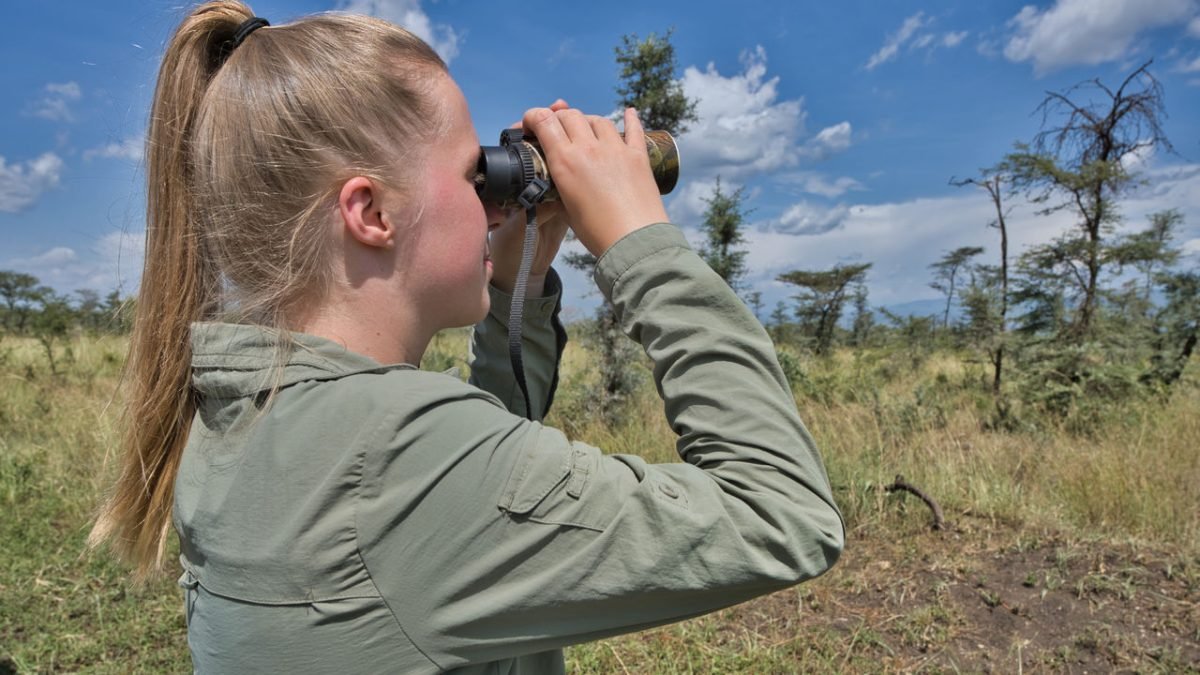
Long trousers and long-sleeved shirts protect against stinging plants, insects, and scratches from vegetation. A lightweight waterproof jacket is also essential since mountain weather changes quickly.
Many experienced trekkers wear gardening gloves to protect their hands while holding onto branches during steep climbs. A small backpack containing drinking water, energy snacks, sunscreen, insect repellent, and a camera will help you stay comfortable throughout the day.
Should You Hire a Porter?
Hiring a porter is one of the best investments you can make during your gorilla trekking experience. Even physically fit visitors often choose to hire one.
Porters carry backpacks, assist on steep slopes, and offer encouragement throughout the trek. Their local knowledge and practical assistance can make the journey considerably easier.
Moreover, hiring a porter directly benefits communities surrounding Volcanoes National Park. Many former poachers now earn sustainable incomes through tourism, creating stronger incentives for wildlife conservation and protecting Rwanda’s endangered mountain gorillas.
When Is the Best Time for Easier Trekking?
Gorilla trekking is available throughout the year, but weather conditions vary by season.
The dry seasons, from June to September and December to February, generally provide firmer trails and easier hiking conditions. Consequently, these months are particularly popular with international visitors.
However, the rainy seasons also have advantages. The forests become greener, visitor numbers are lower, and photography often benefits from the dramatic mist covering the volcanic slopes. Although trails may be muddier, experienced guides ensure that trekking remains safe and enjoyable.
Is Gorilla Trekking in Rwanda Worth the Effort?
Without question, the answer is yes. The physical challenge of hiking through the rainforest quickly disappears the moment you come face to face with a mountain gorilla family. Watching a silverback quietly observe his surroundings, seeing playful young gorillas climb through the bamboo, or witnessing a mother gently care for her infant creates memories unlike any other wildlife encounter.
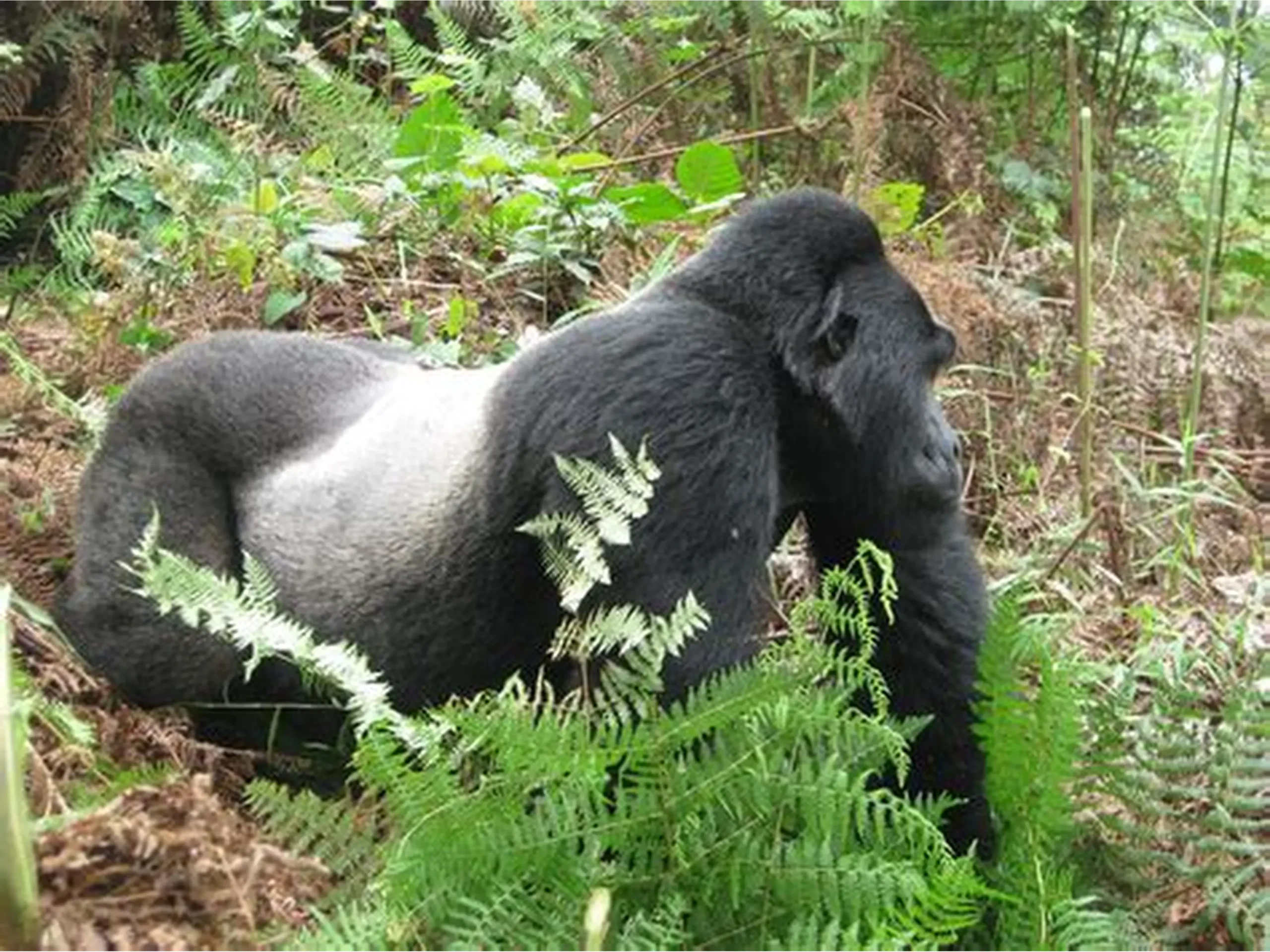
Many travelers describe gorilla trekking as the highlight of their African safari because it offers a rare opportunity to connect with one of the world’s most endangered primates in its natural environment. The combination of breathtaking scenery, expert conservation efforts, and intimate wildlife viewing makes Rwanda one of the finest destinations for nature lovers.
Whether your trek lasts one hour or five, the experience is deeply rewarding and often life-changing.
Frequently Asked Questions
Is gorilla trekking in Rwanda difficult?
Gorilla trekking can be moderately challenging because of steep terrain, high altitude, and changing weather conditions. However, most people with average fitness complete the trek successfully.
How fit do you need to be for gorilla trekking?
A moderate level of fitness is usually enough. You should be comfortable walking for several hours and climbing gentle hills with regular breaks.
Can beginners do gorilla trekking?
Yes. Many visitors have little or no hiking experience. Guides adjust the pace, and groups are assigned according to visitors’ fitness levels whenever possible.
What is the minimum age for gorilla trekking?
Visitors must be at least 15 years old to participate in gorilla trekking in Rwanda.
Is hiring a porter worth it?
Absolutely. Porters provide practical assistance during the hike while also supporting local communities that benefit from gorilla conservation.
So the answer to how gorilla trekking in Rwanda is..
If you have been wondering how hard gorilla trekking in Rwanda is or how fit you need to be for gorilla trekking, the answer is reassuring. The trek certainly involves hiking through mountainous rainforest and navigating uneven terrain, but it is designed for ordinary travelers rather than elite athletes. With proper preparation, suitable hiking gear, and the support of experienced guides and porters, visitors of different ages and fitness levels successfully reach the mountain gorillas every day. The journey may test your endurance, but the unforgettable moment of standing in the presence of these magnificent primates makes every step an adventure worth taking.
Related Articles
- Gorilla Trekking in Rwanda: Complete Travel Guide
- Best Time for Gorilla Trekking in Rwanda
- Rwanda Gorilla Trekking Packing List
- Rwanda vs Uganda Gorilla Trekking