Wildlife Conservation & Biodiversity
Wildlife conservation & biodiversity are the foundation of healthy ecosystems and a sustainable planet. Every living organism, from tiny insects to massive elephants, plays an important role in maintaining the balance of nature. Without biodiversity, ecosystems become unstable, food chains break down, and human life becomes more vulnerable to environmental challenges.
Today, wildlife faces increasing threats from habitat destruction, climate change, pollution, and illegal wildlife trade. Understanding wildlife conservation & biodiversity helps us recognize why protecting nature is one of the most important responsibilities of our generation.
What Is Wildlife?
Wildlife refers to all living organisms that exist naturally in their environments without direct human control. Wildlife includes animals, plants, fungi, insects, and microorganisms that live in forests, grasslands, mountains, wetlands, deserts, and oceans.
| Wildlife Group | Examples |
|---|---|
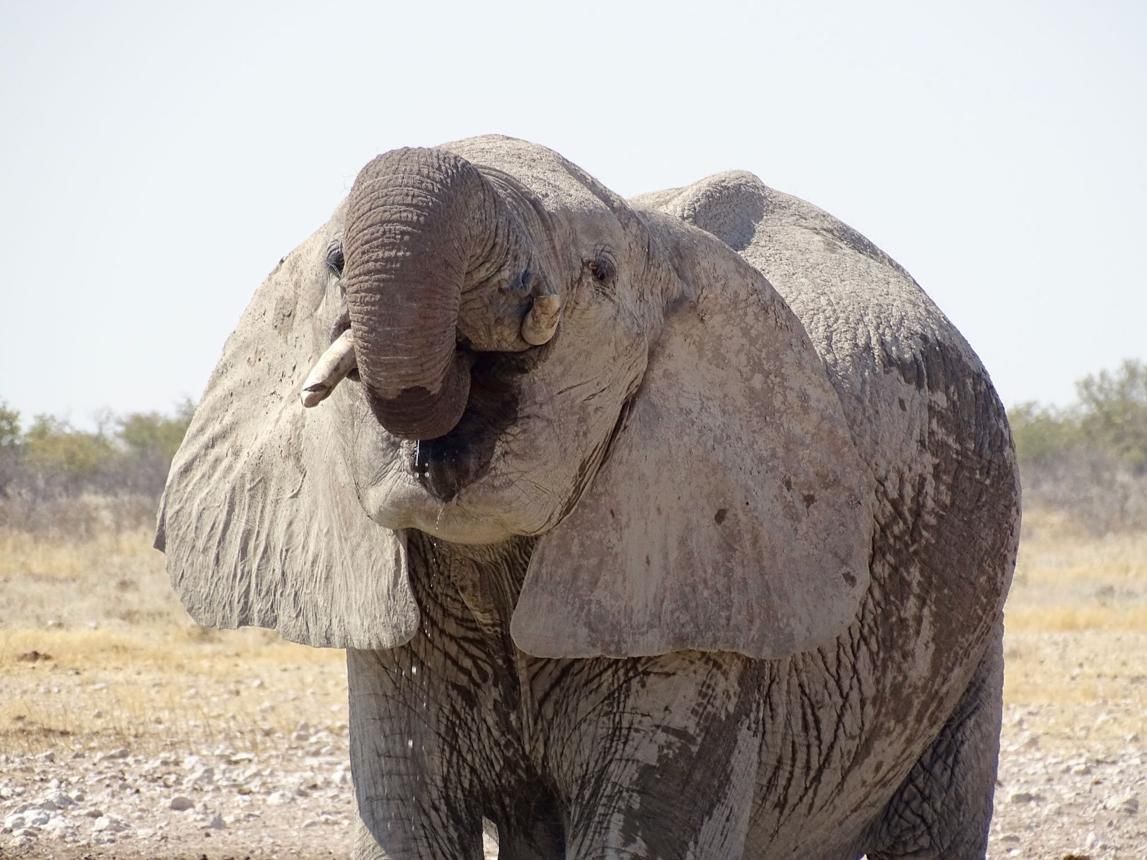
| Mammals | Lions, Elephants, Gorillas |
| Birds | Eagles, Cranes, Parrots |
| Reptiles | Crocodiles, Turtles, Snakes |
| Amphibians | Frogs, Salamanders |
| Insects | Bees, Butterflies, Ants |
Wildlife is essential because each species contributes to the health and functioning of ecosystems.
What Is Biodiversity?
Biodiversity refers to the variety of life found on Earth. It includes all living species, their genetic differences, and the ecosystems they inhabit.
Scientists categorize biodiversity into three major levels:
| Type | Description |
|---|---|
| Genetic Diversity | Differences within a species |
| Species Diversity | Variety of species in an ecosystem |
| Ecosystem Diversity | Variety of habitats and ecosystems |
The greater the biodiversity, the healthier and more resilient an ecosystem becomes.
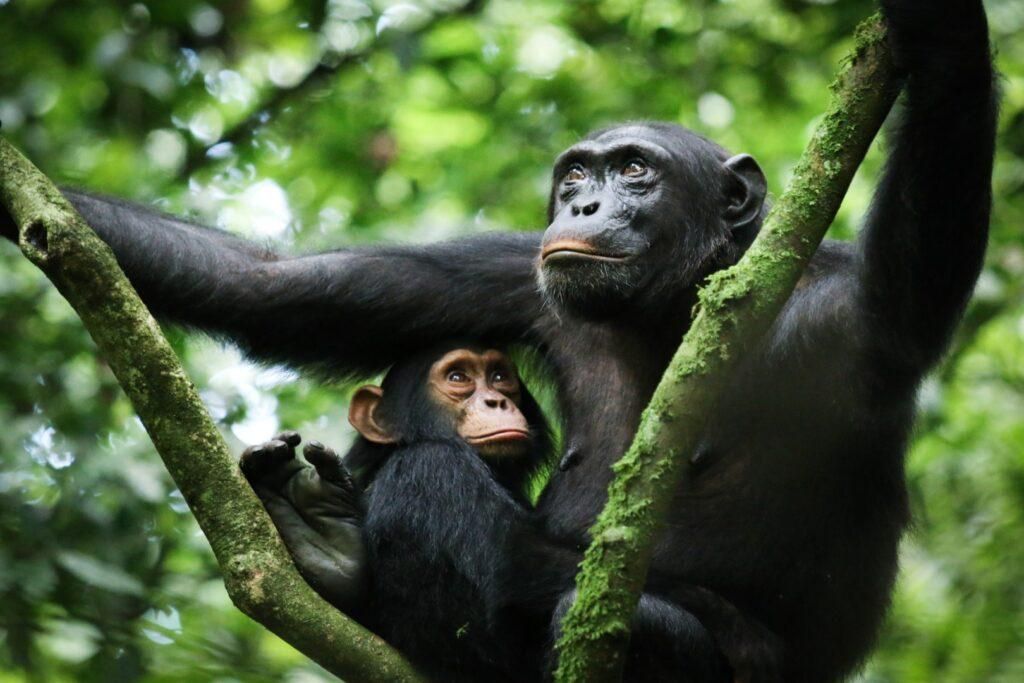
What Is Wildlife Conservation?
Wildlife conservation is the practice of protecting wildlife species and their habitats to ensure they survive for future generations.
Conservation efforts focus on:
- Protecting endangered species
- Preserving natural habitats
- Restoring degraded ecosystems
- Combating illegal wildlife trade
- Promoting sustainable resource use
- Supporting environmental education
Without wildlife conservation, many species would face extinction.
Why Wildlife Conservation & Biodiversity Matter
Wildlife conservation & biodiversity support life on Earth in countless ways. Healthy ecosystems provide resources and services that humans depend on every day.
| Benefit | Importance |
|---|---|
| Pollination | Supports food production |
| Nutrient Cycling | Maintains fertile soils |
| Water Purification | Filters pollutants naturally |
| Climate Regulation | Stabilizes weather patterns |
| Pest Control | Reduces agricultural pests |
These ecosystem services occur naturally and save humanity billions of dollars annually.
Biodiversity and Human Survival
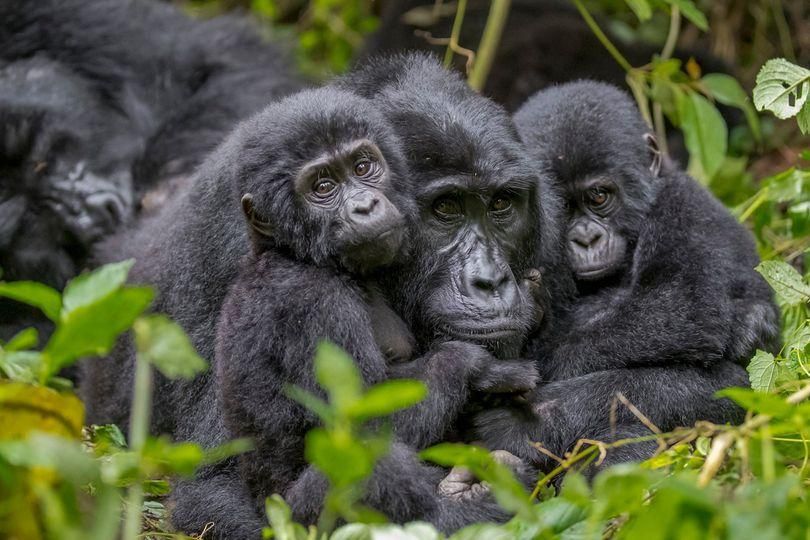
Many people think conservation only benefits wildlife. In reality, humans depend heavily on biodiversity.
| Resource | Connection to Biodiversity |
|---|---|
| Food | Crops depend on pollinators |
| Medicine | Many medicines come from plants |
| Water | Ecosystems naturally filter water |
| Air | Forests produce oxygen |
| Employment | Tourism and agriculture rely on nature |
Protecting biodiversity means protecting our own future.
Understanding Food Webs
Every ecosystem functions through interconnected food webs.
Consider this simple example:
Grass → Zebra → Lion
If grass disappears, zebra populations decline. If zebras decline, lions lose an important food source. This demonstrates how species depend on one another for survival.
| Level | Examples |
|---|---|
| Producers | Plants |
| Primary Consumers | Herbivores |
| Secondary Consumers | Carnivores |
| Decomposers | Fungi and Bacteria |
When one level is disrupted, the entire ecosystem can be affected.
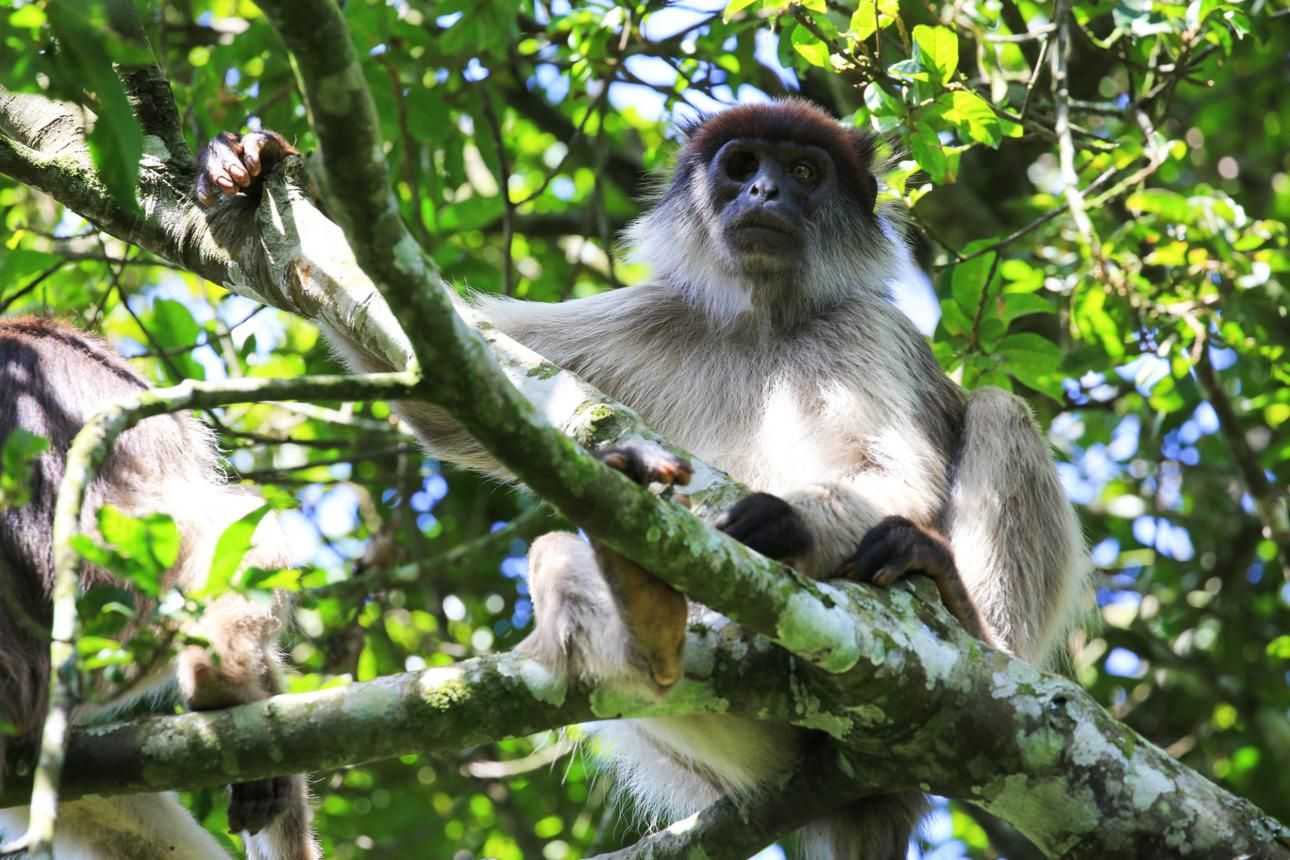
Major Threats to Wildlife Conservation & Biodiversity
Habitat Loss
Habitat destruction remains the greatest threat to biodiversity worldwide.
- Deforestation
- Urban expansion
- Agricultural development
- Mining activities
- Infrastructure projects
When habitats disappear, wildlife loses shelter, food, and breeding grounds.
Climate Change
Climate change is rapidly altering ecosystems across the globe.
| Climate Impact | Wildlife Effect |
|---|---|
| Rising Temperatures | Habitat shifts |
| Droughts | Reduced water sources |
| Flooding | Habitat destruction |
| Extreme Weather | Population decline |
| Changing Seasons | Disrupted migration |
Many species struggle to adapt quickly enough to these environmental changes.
Pollution
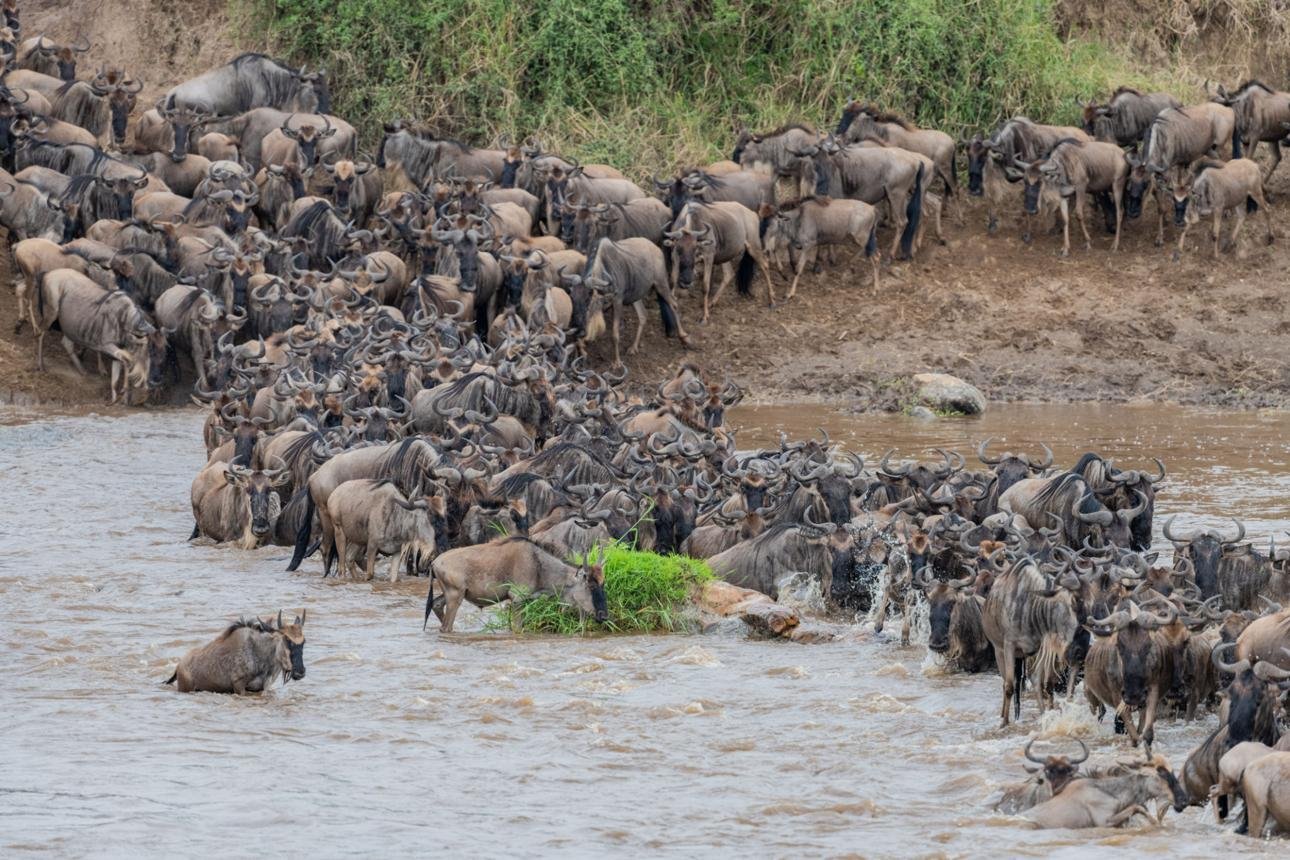
Pollution affects ecosystems on land and in water.
| Type | Impact |
|---|---|
| Plastic Pollution | Harms marine life |
| Air Pollution | Damages ecosystems |
| Water Pollution | Affects aquatic species |
| Chemical Pollution | Impairs reproduction |
Pollution weakens ecosystems and reduces biodiversity.
Illegal Wildlife Trade
Illegal wildlife trafficking is among the world’s largest criminal industries.
- Elephants
- Rhinos
- Pangolins
- Tigers
- Gorillas
- Chimpanzees
Poaching has pushed many species toward extinction.
Invasive Species
Invasive species are organisms introduced into ecosystems where they do not naturally belong. These species can compete with native wildlife, spread diseases, alter habitats, and reduce biodiversity. Managing invasive species is a critical conservation challenge.
Keystone Species: Nature’s Ecosystem Engineers
Some species have a disproportionately large impact on ecosystems. These are known as keystone species.
| Species | Role |
|---|---|
| Elephants | Create habitats for other species |
| Bees | Pollinate crops and wild plants |
| Wolves | Regulate prey populations |
| Coral Reefs | Support marine ecosystems |
When keystone species disappear, ecosystems often suffer significant disruption.
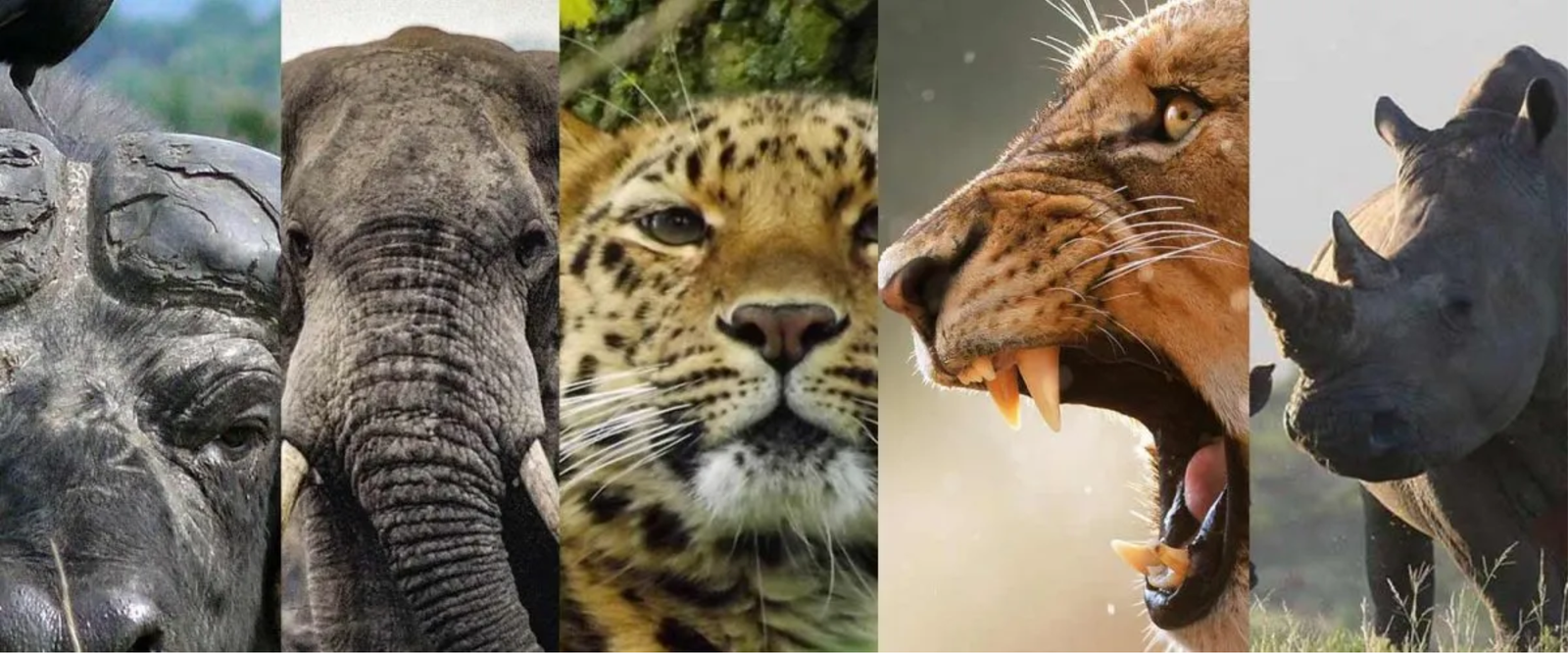
Endangered Species and Conservation Status
An endangered species is one at risk of extinction.
| Status | Meaning |
|---|---|
| Least Concern | Low risk |
| Near Threatened | Potential future risk |
| Vulnerable | High risk |
| Endangered | Very high risk |
| Critically Endangered | Extremely high risk |
| Extinct | No living individuals remain |
Conservation programs help species recover before extinction becomes inevitable.
Wildlife Conservation Success Stories
Conservation efforts have produced remarkable successes around the world.
| Species | Achievement |
|---|---|
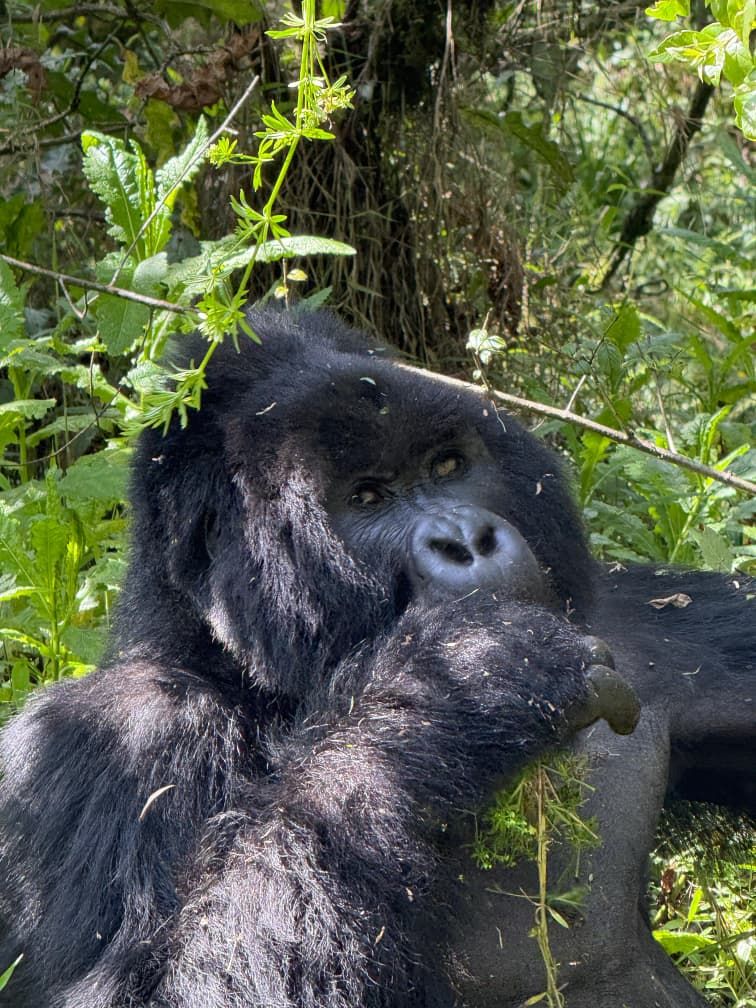
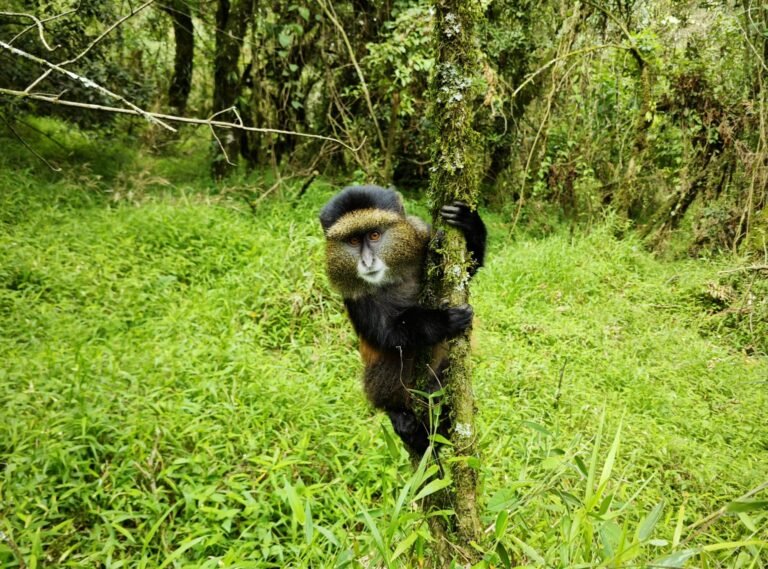
| Mountain Gorillas | Population growth through protection |
| Giant Pandas | Improved conservation status |
| Southern White Rhinos | Recovery in protected areas |
| Humpback Whales | Population rebound after protection |
These examples show that conservation works when governments, communities, and organizations collaborate.
The Importance of Protected Areas
Protected areas are among the most effective tools for preserving biodiversity.
- Habitat protection
- Wildlife conservation
- Scientific research
- Environmental education
- Sustainable tourism
Some of the world’s most important protected areas include:
- Serengeti National Park
- Bwindi Impenetrable National Park
- Kruger National Park
- Masai Mara National Reserve
These protected areas safeguard thousands of species and ecosystems.
Wildlife Conservation & Biodiversity in Africa
Africa is home to some of the richest biodiversity on Earth.
| Ecosystem | Notable Wildlife |
|---|---|
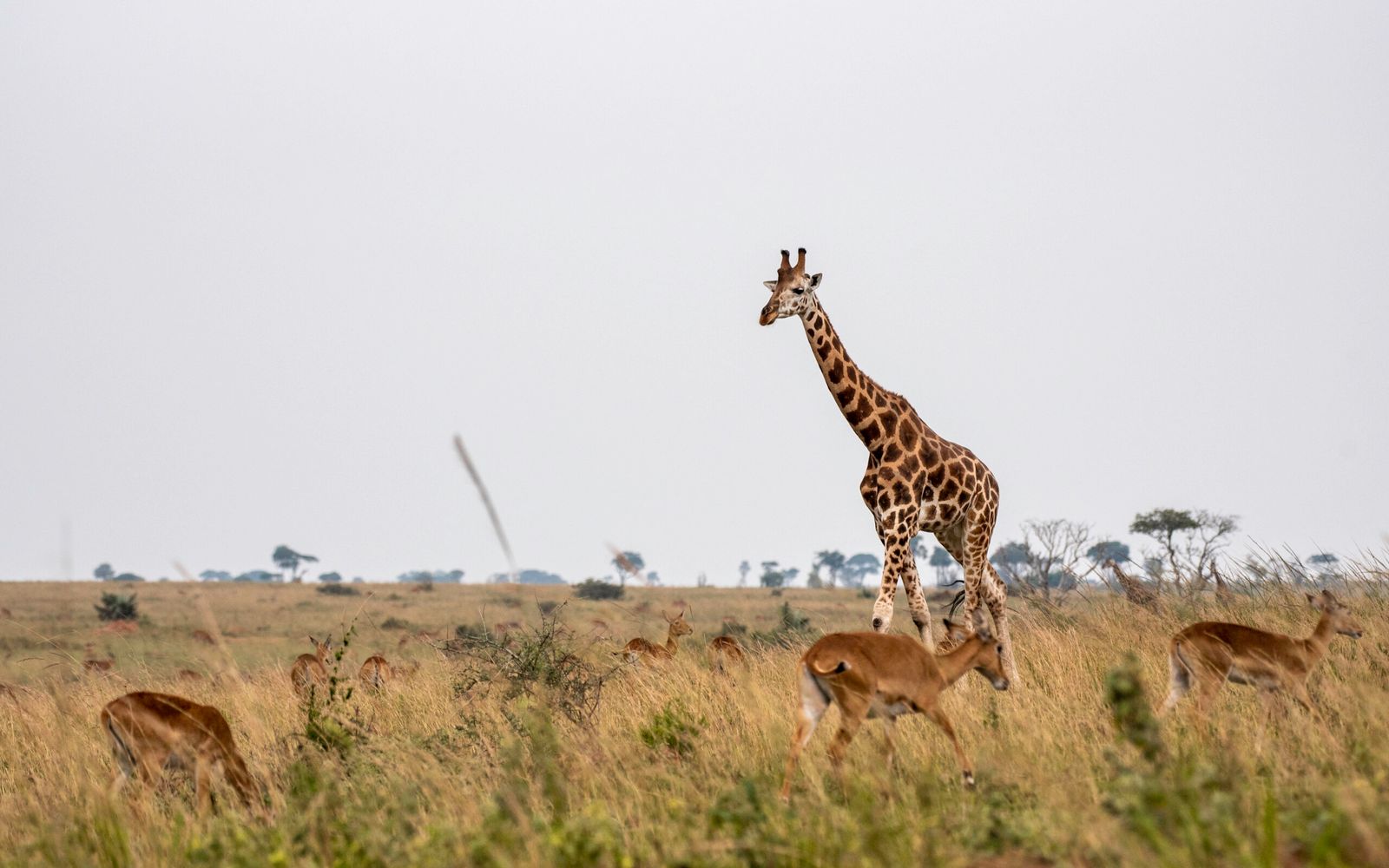
| Savannah | Lions, Elephants, Giraffes |
| Rainforest | Gorillas, Chimpanzees |
| Wetlands | Hippos, Crocodiles |
| Mountains | Mountain Gorillas |
| Deserts | Specialized reptiles and mammals |
Africa’s biodiversity supports millions of livelihoods through tourism, research, and ecosystem services.
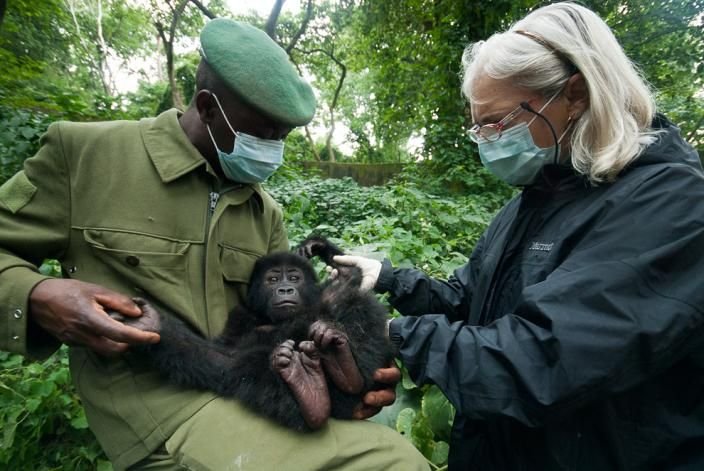
How Tourism Supports Conservation
Responsible tourism creates economic incentives for wildlife protection.
| Benefit | Impact |
|---|---|
| Park Fees | Fund conservation projects |
| Employment | Supports local communities |
| Education | Raises awareness |
| Research Funding | Supports scientific studies |
Sustainable tourism helps demonstrate that wildlife has greater value alive than exploited.
How You Can Help Protect Biodiversity
Conservation is not limited to scientists and governments.
- Plant native trees
- Reduce plastic consumption
- Support conservation organizations
- Save water and energy
- Buy sustainable products
- Respect wildlife habitats
- Participate in environmental education
Small actions performed by millions of people can create meaningful change.
Fascinating Biodiversity Facts
- Scientists estimate there are more than 8 million species on Earth.
- Tropical rainforests contain over half of the world’s known species.
- Coral reefs occupy less than 1% of the ocean but support about 25% of marine life.
- Bees help pollinate approximately one-third of global food production.
- Healthy ecosystems naturally help regulate the Earth’s climate.
Frequently Asked Questions About Wildlife Conservation & Biodiversity
What is wildlife conservation?
Wildlife conservation is the protection and management of wild animals, plants, and habitats to ensure their long-term survival.
What is biodiversity?
Biodiversity refers to the variety of living organisms, genes, species, and ecosystems found on Earth.
Why is biodiversity important?
Biodiversity supports ecosystem stability, food security, clean water, medicine, climate regulation, and economic development.
What are the biggest threats to biodiversity?
The major threats are habitat loss, climate change, pollution, invasive species, and illegal wildlife trade.
How does wildlife conservation support biodiversity?
Conservation protects species and habitats, allowing ecosystems to remain healthy and diverse.
Can biodiversity be restored?
Yes. Through habitat restoration, reforestation, protected areas, and conservation programs, biodiversity can recover over time.
In conclusion, therefore
Wildlife conservation & biodiversity are essential for maintaining the natural systems that support life on Earth. Every species contributes to the health of ecosystems, while biodiversity provides clean water, food, medicine, climate regulation, and economic opportunities.
As environmental pressures continue to increase, conservation efforts are more important than ever. By protecting habitats, supporting sustainable practices, and raising awareness about biodiversity, humanity can help preserve the incredible variety of life that makes our planet unique.
The choices we make today will determine whether future generations inherit a world rich in wildlife and thriving ecosystems or one marked by irreversible loss. Protecting biodiversity is not just about saving nature; it is about securing the future of all life on Earth.