Gorilla Trekking Rules – for Responsible Gorilla Trekking
Gorilla trekking rules are extremely important for anyone planning to visit mountain gorillas in Africa. When travelers participate in gorilla trekking experiences, strict guidelines must be followed to protect both visitors and gorillas.
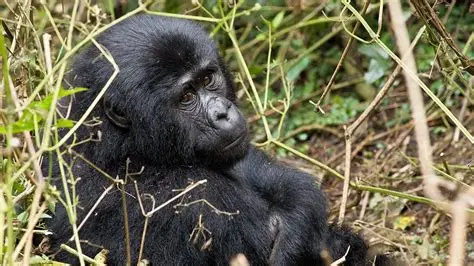
It should be noted that mountain gorillas are an endangered species. Therefore, gorilla trekking rules have been carefully developed by wildlife authorities and conservation organizations.
As a result, trekking experiences in destinations such as Bwindi Impenetrable National Park and Volcanoes National Park are conducted safely and responsibly.
Why Gorilla Trekking Rules Are Important
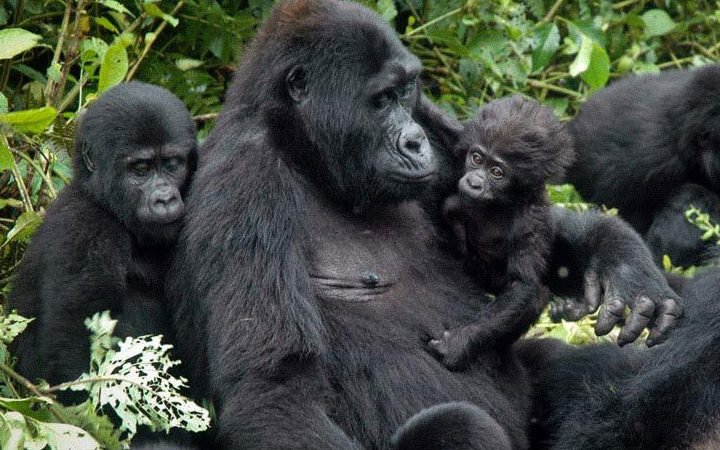
Gorilla trekking rules are designed to reduce human impact on mountain gorillas and their habitats. Because gorillas share a large percentage of human DNA, diseases can easily be transmitted between humans and gorillas.
Therefore, visitors are required to follow strict health and behavioral guidelines during trekking activities.
Additionally, these rules help maintain natural gorilla behavior. Wildlife authorities ensure that gorillas remain wild and undisturbed despite regular tourist visits.
Consequently, gorilla trekking rules play a major role in long-term conservation efforts across East Africa.
Age Limit for Gorilla Trekking
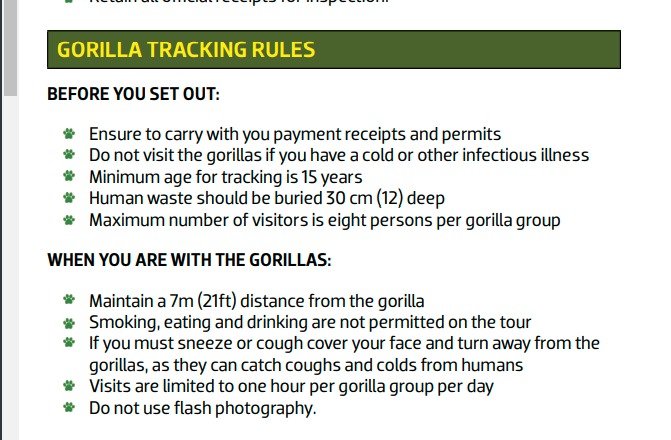
One of the most important gorilla trekking rules concerns age restrictions. Only individuals aged 15 years and above are allowed to participate in gorilla trekking.
This rule has been established for several reasons. Younger children may struggle with the physical demands of trekking, especially in steep and muddy terrain.
Additionally, children are more likely to carry infectious illnesses such as flu and coughs, which could endanger gorillas.
Therefore, the minimum age requirement helps protect both wildlife and visitors.
Keep a Safe Distance from the Gorillas
During gorilla trekking, visitors are required to maintain a minimum distance of seven meters from the gorillas.
This is one of the most strictly enforced gorilla trekking rules. Because gorillas are highly susceptible to human diseases, close contact must be avoided.
Although gorillas may occasionally approach visitors, travelers are advised to remain calm and avoid sudden movements.
As a result, safe interactions are maintained while minimizing health risks.
Do Not Visit Gorillas When Sick
Visitors who are sick are not allowed to participate in gorilla trekking activities.
Symptoms such as cough, flu, fever, or cold can easily spread to gorillas. Therefore, park authorities conduct health checks before trekking begins.
It should be understood that gorillas do not have strong immunity against many human illnesses.
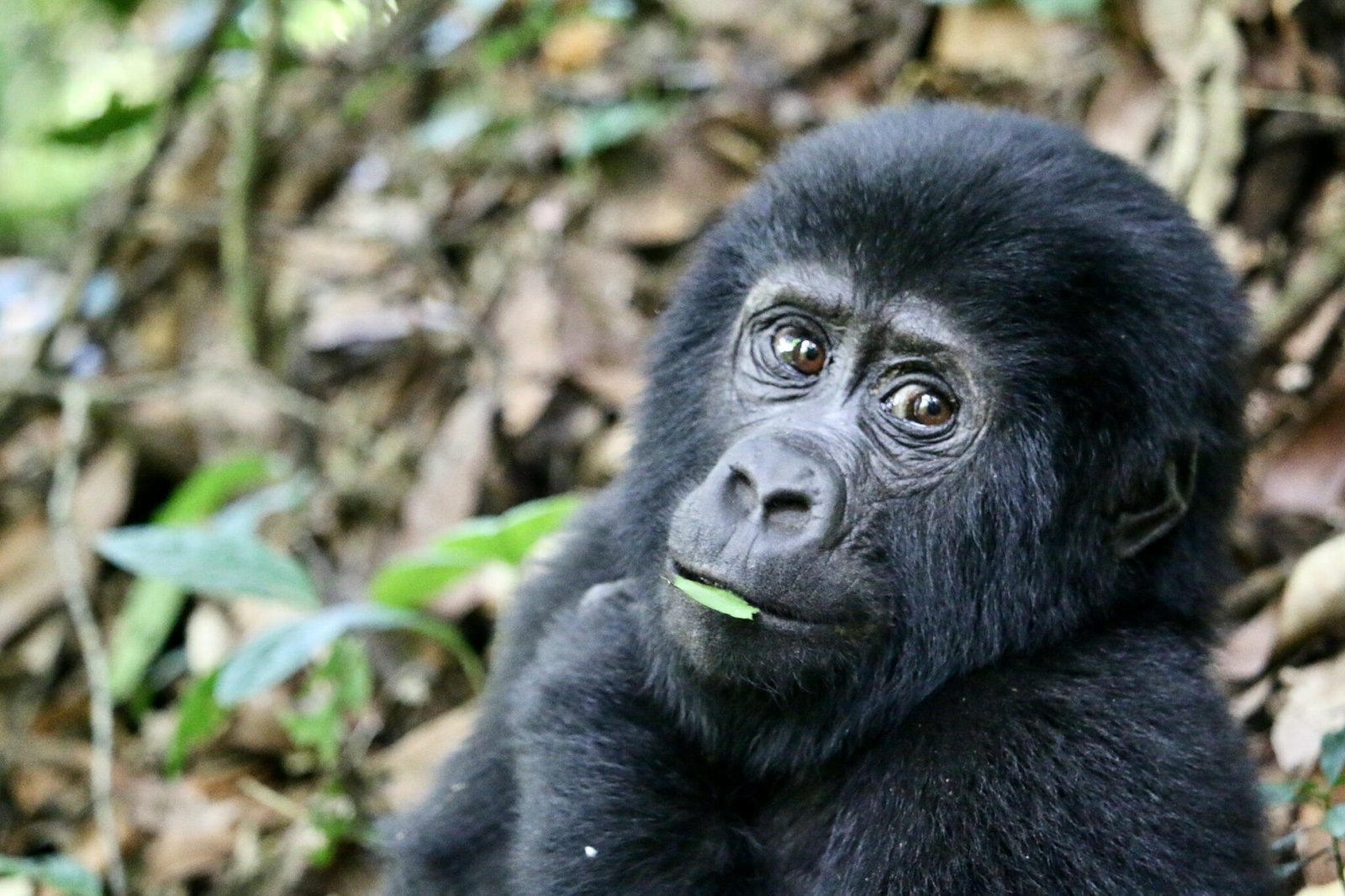
Consequently, this gorilla trekking rule is considered essential for conservation.
Follow Ranger Instructions at All Times
Professional ranger guides lead every gorilla trekking experience. Visitors are expected to follow all instructions provided during the trek.
Rangers understand gorilla behavior and know how to respond in different situations.
If gorillas become active or move quickly, guides provide clear directions to ensure safety.
Because gorilla trekking takes place in wild environments, ranger instructions must always be respected.
Therefore, following guidance ensures a smooth and safe trekking experience.
Limit Time Spent with Gorillas
Another important gorilla trekking rule involves time limits. Visitors are allowed to spend only one hour with a gorilla family after they are located.
This rule reduces stress on the gorillas and minimizes prolonged human exposure.
During the hour, visitors observe behaviors such as feeding, grooming, resting, and social interaction.
Because of this limited time, every moment becomes valuable and memorable.
As a result, gorilla trekking remains both sustainable and rewarding.
Avoid flash photography.
Photography is allowed during gorilla trekking. However, flash photography is strictly prohibited.
Bright flashes can disturb and frighten gorillas. Therefore, cameras should be adjusted before approaching the gorilla family.
Travelers are encouraged to use natural lighting and silent camera settings whenever possible.
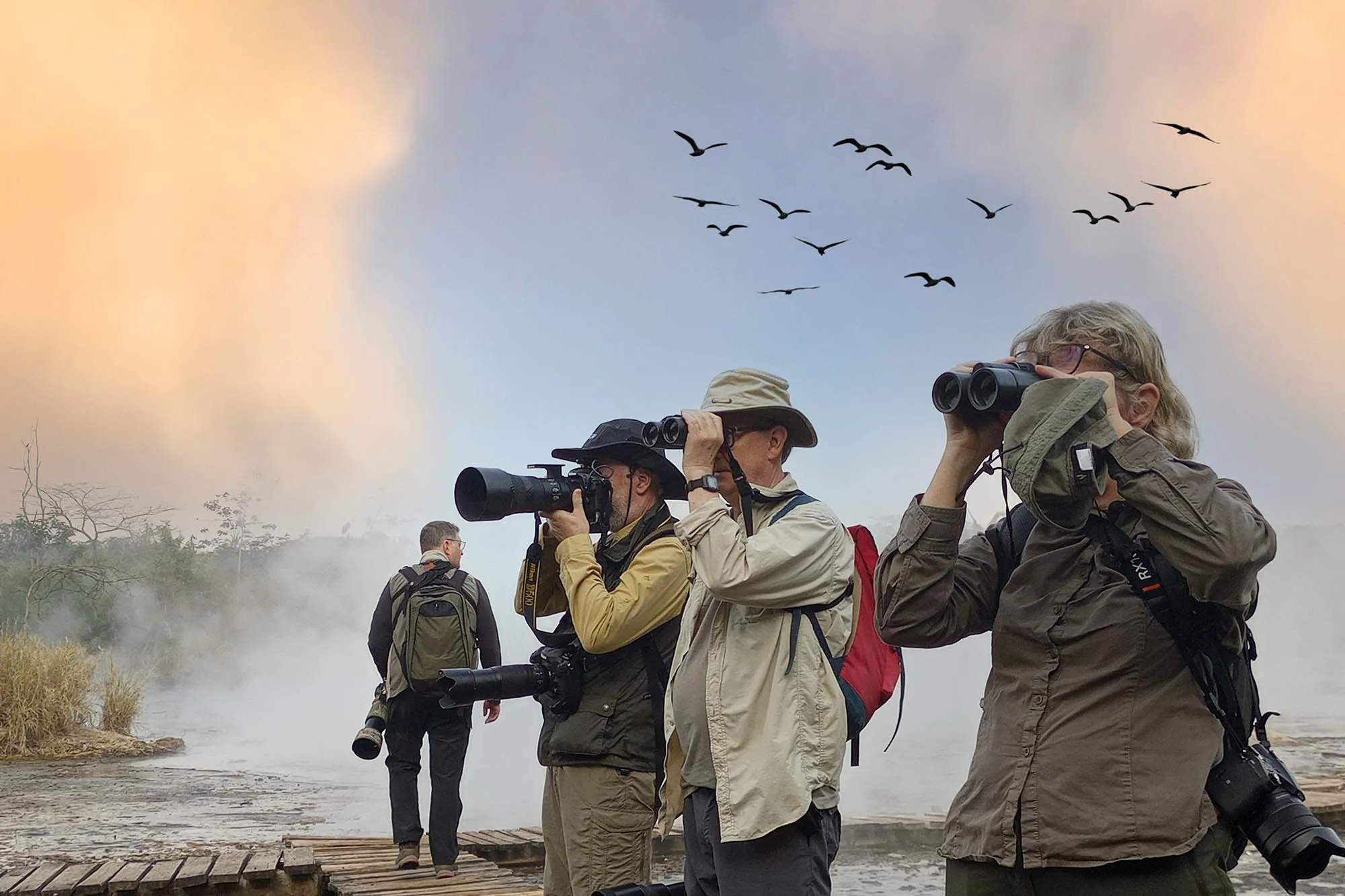
As a result, photography is conducted respectfully without affecting wildlife behavior.
Keep Noise Levels Low
Silence and calm behavior are strongly encouraged during gorilla trekking activities.
Loud talking, shouting, and sudden movements can disturb gorillas and other wildlife species in the forest.
Because trekking occurs in dense habitats such as Bwindi Impenetrable National Park, quiet movement improves wildlife observation opportunities.
Therefore, maintaining low noise levels enhances both safety and the overall trekking experience.
Do Not Touch the Gorillas
Touching gorillas is strictly forbidden during trekking experiences.
Even when gorillas approach visitors closely, physical contact must be avoided. This helps prevent disease transmission and protects natural behavior.
It should be understood that gorillas are wild animals despite being habituated to human presence.
Consequently, respecting personal space is an essential gorilla trekking rule.
Dispose of Waste Properly
Visitors are expected to protect the environment by disposing of waste responsibly.
Littering is prohibited in all gorilla trekking areas. Food wrappers, plastic bottles, and other waste materials must be carried out of the forest.
Because gorilla habitats are fragile ecosystems, environmental cleanliness is highly important.
Therefore, responsible waste management supports conservation efforts.
Do Not Eat Near the Gorillas
Eating and drinking near gorillas are not permitted during observation periods.
Food particles and waste could introduce harmful bacteria or encourage unwanted interactions.
Travelers are usually advised to eat before trekking begins or after leaving the gorilla area.
As a result, gorilla health and natural feeding behavior are protected.
Wear Appropriate Clothing
Proper clothing is strongly recommended for gorilla trekking.
Long-sleeved shirts and trousers help protect against insects and thorny vegetation. Waterproof hiking boots provide support on muddy trails.
Neutral-colored clothing is preferred because bright colors may disturb wildlife.
Additionally, gloves and rain jackets are often useful in forest environments.
Therefore, proper preparation improves comfort and safety during trekking.
Hire a Porter During Gorilla Trekking
Hiring a porter is encouraged during gorilla trekking activities.
Porters assist travelers by carrying bags and providing support on difficult terrain. This makes trekking easier and more enjoyable.
Additionally, hiring porters supports local communities economically.
Because many porters previously depended on forest resources, tourism employment helps reduce pressure on protected areas.
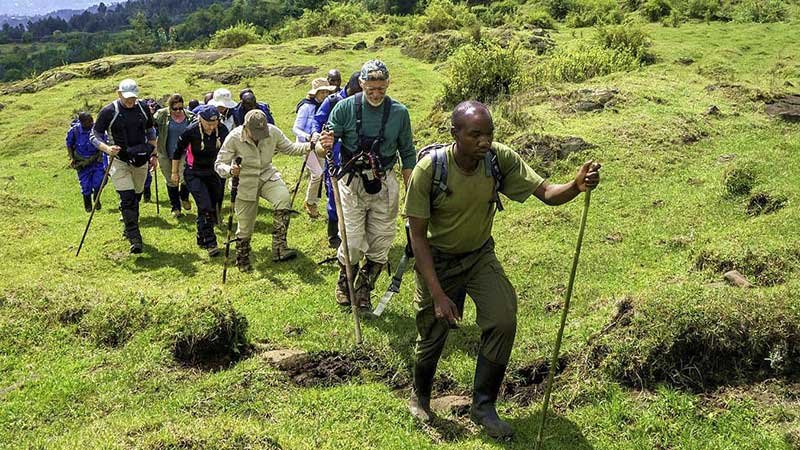
As a result, hiring a porter contributes to sustainable tourism and conservation.
Respect Gorilla Habituation Processes
Gorilla families visited during trekking undergo a process called habituation. This allows them to become comfortable around humans over time.
However, they remain wild animals and must always be treated with caution and respect.
Visitors are expected to behave responsibly to avoid disrupting habituation efforts.
Therefore, gorilla trekking rules help maintain the success of conservation programs in Volcanoes National Park and Bwindi Impenetrable National Park.
Physical Fitness and Trekking Preparation
Gorilla trekking can be physically demanding. Trails often pass through steep hills, thick vegetation, and muddy terrain.
Travelers are encouraged to prepare physically before their safari.
It should also be noted that trekking duration varies depending on gorilla movement.
Because of these conditions, proper fitness preparation improves the trekking experience significantly.
Conservation Benefits of Gorilla Trekking Rules
Gorilla trekking rules are not only about visitor safety. They are also essential for wildlife conservation.
Revenue generated from permits supports anti-poaching activities, veterinary care, habitat protection, and community projects.
Additionally, controlled tourism reduces environmental impact while creating sustainable economic opportunities.
As a result, gorilla populations have gradually increased in protected areas across East Africa.
Why Responsible Gorilla Trekking Matters
Responsible tourism ensures that future generations can continue experiencing mountain gorillas in the wild.
When travelers follow gorilla trekking rules, they become active participants in conservation efforts.
It should be understood that gorilla tourism has become one of the most successful wildlife conservation models in Africa.
Therefore, respecting trekking regulations directly contributes to the protection of endangered species.
Plan Your Gorilla Trekking Safari Today
Gorilla trekking is one of the most extraordinary wildlife experiences in the world. However, the experience becomes meaningful only when conducted responsibly.
From maintaining safe distances to respecting wildlife behavior, every gorilla trekking rule plays an important role in conservation and visitor safety.
In destinations such as Bwindi Impenetrable National Park and Volcanoes National Park, unforgettable encounters are carefully managed every day.
Book your gorilla trekking safari today and experience Africa’s mountain gorillas responsibly and sustainably.