Why Group Safaris Are the Most Eco-Friendly Way to Explore Uganda
Eco-friendly safaris Uganda are increasingly being recognized as the most responsible way to experience the country’s natural beauty. When travelers choose group safaris, environmental impact is reduced while conservation benefits are strengthened.
It should be noted that Uganda is one of Africa’s most biodiverse destinations. Therefore, sustainable tourism practices in Uganda are essential to protect its wildlife, landscapes, and ecosystems.
As a result, group safaris have become a preferred option for travelers who want to explore Uganda while minimizing their environmental footprint.
Shared Transport Reduces Carbon Emissions
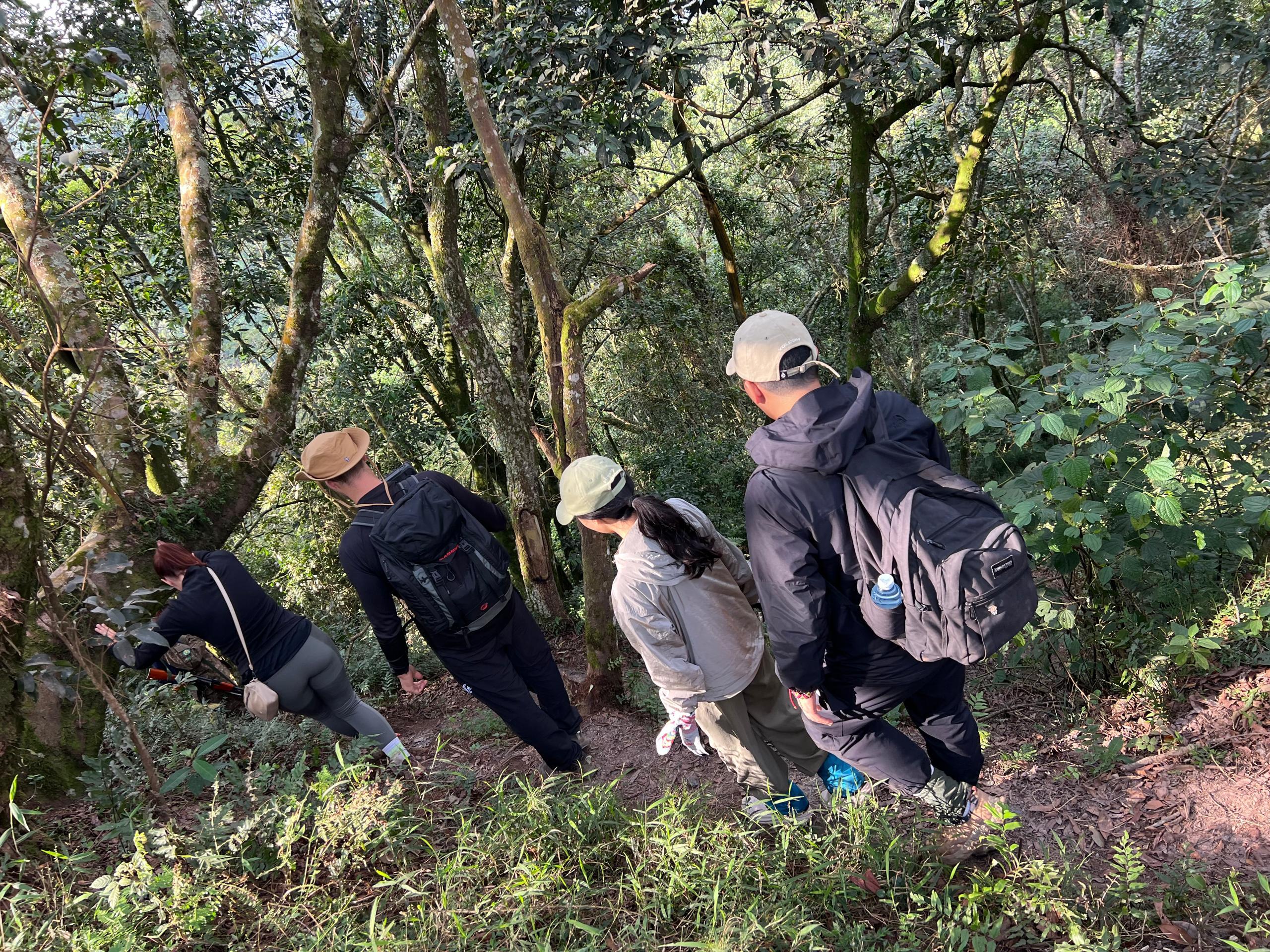
When eco-friendly safaris Uganda are organized as group experiences, transportation is shared among several travelers in one safari vehicle. This reduces the number of vehicles entering national parks.
As a result, fuel consumption is lowered and carbon emissions are significantly reduced. Fewer vehicles also mean less noise and disturbance within wildlife habitats.
It should be understood that in destinations such as Queen Elizabeth National Park, reduced traffic allows animals to move freely and behave naturally.

Therefore, shared transport plays a key role in promoting sustainable tourism Uganda.
Supports Local Communities
Eco-friendly safaris in Uganda are often operated by local tour companies and community-based tourism initiatives. Because of this, revenue generated from tourism is distributed within local communities.
Employment opportunities are created for guides, drivers, lodge staff, and artisans. Cultural tourism activities are also supported through group travel experiences.
In areas around Bwindi Impenetrable National Park, community programs benefit directly from tourism income.

As a result, sustainable tourism in Uganda helps improve livelihoods while preserving cultural heritage.
Less Environmental Pressure on National Parks
Group safaris reduce environmental pressure by limiting the number of visitors and vehicles in protected areas. This helps maintain natural habitats and reduces damage to vegetation.
It should be noted that excessive tourism can disrupt ecosystems. However, eco-friendly safaris Uganda are designed to control visitor flow and minimize impact.
In parks such as Murchison Falls National Park, controlled tourism ensures that wildlife habitats remain intact.
Therefore, group safaris contribute to long-term environmental sustainability.
Positive Conservation Impact
Eco-friendly safaris in Uganda contribute directly to conservation efforts. A portion of park fees and tourism revenue is used to fund wildlife protection programs.
These funds support anti-poaching initiatives, habitat restoration, and ranger operations.
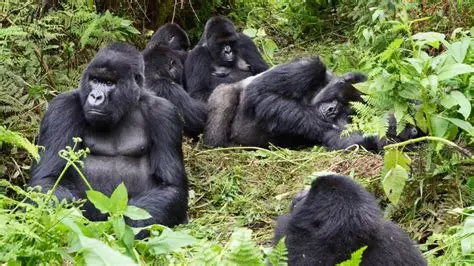
In conservation areas like Bwindi Impenetrable National Park, gorilla protection programs are sustained through tourism income.
Additionally, sustainable tourism in Uganda promotes responsible behavior among visitors, which further protects wildlife.
As a result, group safaris play a critical role in preserving Uganda’s natural heritage.
Why Choose Eco-Friendly Safaris in Uganda
Eco-friendly safaris in Uganda offer more than just travel experiences. They provide a responsible way to explore nature while contributing to conservation and community development.
From shared transport to reduced environmental pressure and direct conservation support, every aspect of group safaris is designed with sustainability in mind.
Therefore, when travelers choose sustainable tourism Uganda, they help protect wildlife, support communities, and preserve Uganda’s beauty for future generations.
Book your eco-friendly safari today and explore Uganda responsibly while making a positive impact.