Gorilla Safaris in Uganda – The Ultimate Wildlife Experience
Gorilla safaris are considered one of the most powerful wildlife experiences in the world. When travelers choose gorilla safaris in Uganda, they are introduced to rare encounters with mountain gorillas in their natural habitat.
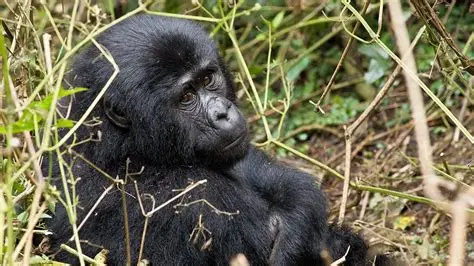
It should be noted that Uganda is home to more than half of the world’s remaining mountain gorillas. Therefore, gorilla safaris have been carefully organized to protect these endangered species while allowing visitors to observe them responsibly.
As a result, every gorilla safari is guided, controlled, and designed to create a safe and unforgettable experience for both visitors and wildlife.
Where Gorilla Safaris in Uganda Take Place
Gorilla safaris in Uganda are conducted in two major national parks. These include Bwindi Impenetrable National Park and Mgahinga Gorilla National Park.
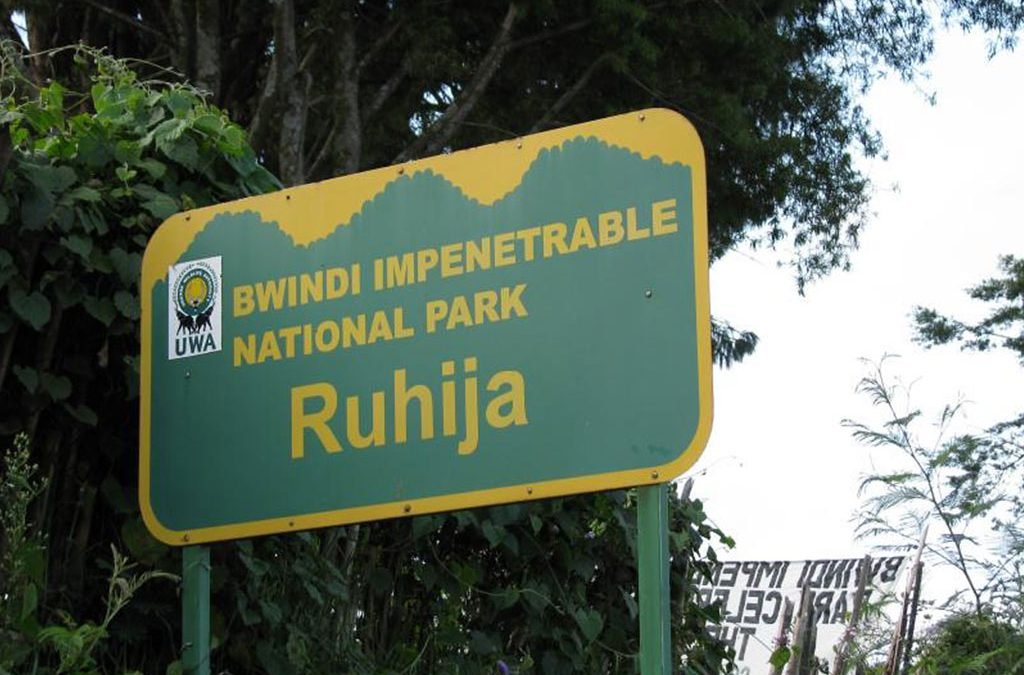
Bwindi Impenetrable National Park is the most popular destination. It is known for its dense forest and large number of habituated gorilla families.
Mgahinga Gorilla National Park offers a more exclusive experience. It is located within the Virunga Mountains and provides stunning volcanic scenery.
Because these parks are protected areas, gorilla safaris are conducted under strict guidelines to ensure conservation.
What Happens During a Gorilla Safari
During gorilla safaris, visitors begin their day with a briefing at the park headquarters. Rules and safety guidelines are explained by trained rangers.
After the briefing, groups are assigned to specific gorilla families. The trek then begins through forests, hills, and sometimes challenging terrain.
It should be understood that trekking time varies depending on the location of the gorillas. In some cases, they are found within a few hours.
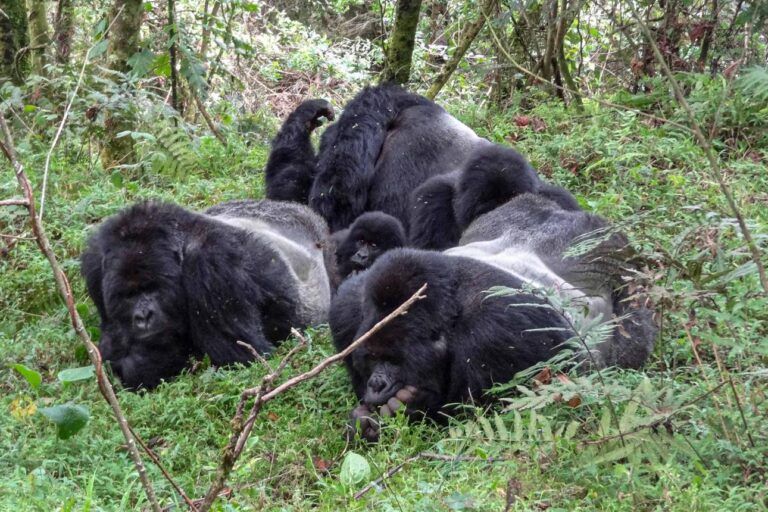
Once the gorillas are located, visitors are allowed to spend one hour observing them. During this time, behaviors such as feeding, grooming, and playing are witnessed.
Because of these close interactions, gorilla safaris are often described as life-changing experiences.
Gorilla Trekking Permits and Costs
A permit is required for all gorilla safaris in Uganda. This permit allows access to one gorilla family and includes ranger guidance.
It should be noted that permits are limited each day. This helps reduce environmental impact and protect the gorillas.
Because demand is high, permits should be booked in advance. This is especially important during peak travel seasons.
Although the cost may seem high, it directly supports conservation efforts and local communities.
Best Time for Gorilla Safaris in Uganda
The best time for gorilla safaris is during the dry seasons. These occur from June to September and from December to February.
During this period, trekking trails are less muddy. Movement through the forest becomes easier and more comfortable.
However, gorilla safaris are conducted all year round. Even during the rainy season, trekking continues daily.
It should be noted that wet seasons offer greener scenery and fewer crowds.
Therefore, gorilla safaris can be enjoyed at any time depending on traveler preferences.
Wildlife and Scenery During Gorilla Safaris
Although gorillas are the main attraction, other wildlife is also seen during gorilla safaris.
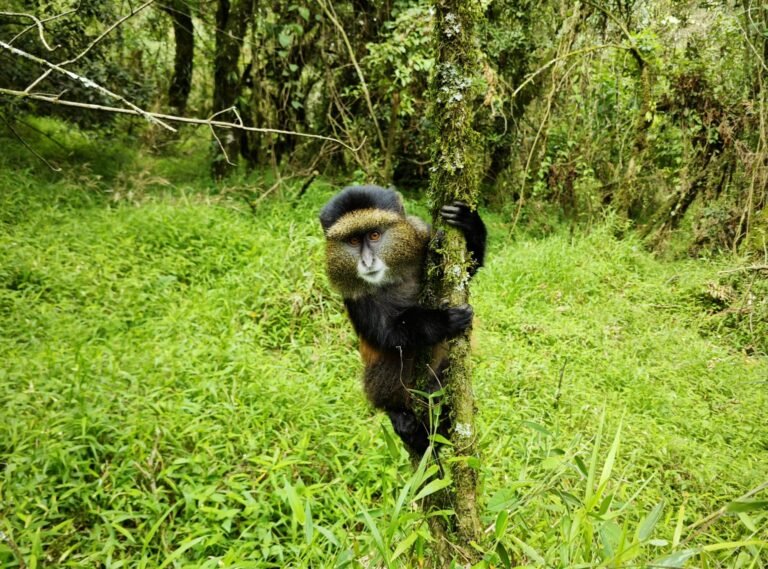
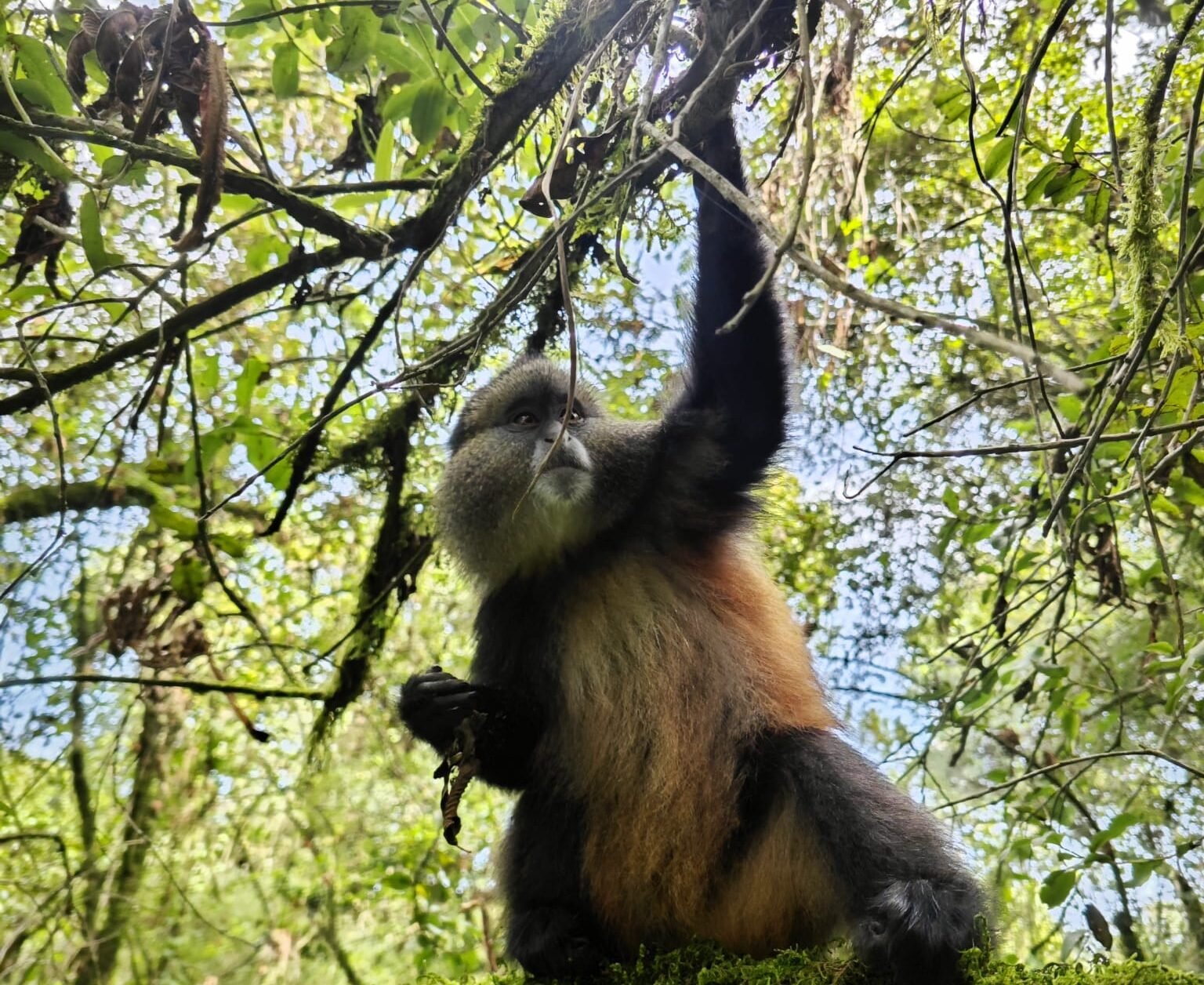
Species such as monkeys, forest elephants, birds, and butterflies are commonly observed.
The forests of Bwindi Impenetrable National Park are rich in biodiversity. As a result, every trek offers more than just gorilla encounters.
Additionally, scenic views of hills, valleys, and dense vegetation create a unique safari atmosphere.
Therefore, gorilla safaris combine wildlife, adventure, and natural beauty in one experience.
Physical Fitness and Preparation
Gorilla safaris require a moderate level of fitness. Trekking can involve steep slopes, thick vegetation, and long walking hours.
Travelers are advised to prepare physically before their trip. Comfortable hiking boots and proper clothing are essential.
It should also be noted that porters are available to assist during the trek. This helps reduce fatigue and supports local communities.
Because of these preparations, the trekking experience becomes more manageable and enjoyable.
Conservation and Responsible Tourism
Gorilla safaris play a major role in conservation efforts. Tourism revenue supports anti-poaching activities and habitat protection.
Visitors are required to follow strict rules. These include maintaining distance, avoiding direct contact, and respecting wildlife behavior.
In areas such as Bwindi Impenetrable National Park, community programs are supported through tourism income.
Therefore, gorilla safaris contribute directly to the survival of mountain gorillas and the protection of their environment.
Why Gorilla Safaris Are Unique
Gorilla safaris are different from traditional wildlife safaris. Instead of observing animals from a distance, visitors interact closely with gorillas in the wild.
This creates emotional and unforgettable moments. Many travelers describe the experience as deeply moving and personal.
Because mountain gorillas share similarities with humans, their behaviors are easily understood and appreciated.
As a result, gorilla safaris remain one of the most sought-after wildlife experiences in Africa.
Plan Your Gorilla Safari Today
Gorilla safaris offer a rare opportunity to connect with nature in a meaningful way. From trekking through forests to observing gorillas up close, every moment is carefully designed to inspire.
In destinations such as Bwindi Impenetrable National Park and Mgahinga Gorilla National Park, unforgettable experiences are created every day.
Book your gorilla safari now and discover one of Africa’s greatest wildlife adventures.