Why Gorilla Trekking Should Be Added to Your African Safari Experience
Why gorilla trekking should be added to your African safari experience is a question that is being asked by many travelers planning trips to East Africa. While traditional wildlife safaris are loved for lion sightings, elephant herds, and breathtaking savannah landscapes, gorilla trekking offers something far more personal and emotional.
Deep rainforests are explored, rare mountain gorillas are encountered, and unforgettable memories are created. As a result, many safari experts now recommend combining game drives with gorilla trekking for a complete African adventure.
Across destinations like Bwindi Impenetrable National Park and Volcanoes National Park, travelers are being introduced to a wildlife experience unlike any other in the world.
A Completely Different Safari Environment
One major reason why gorilla trekking should be added to your African safari experience is the opportunity to explore a totally different ecosystem.
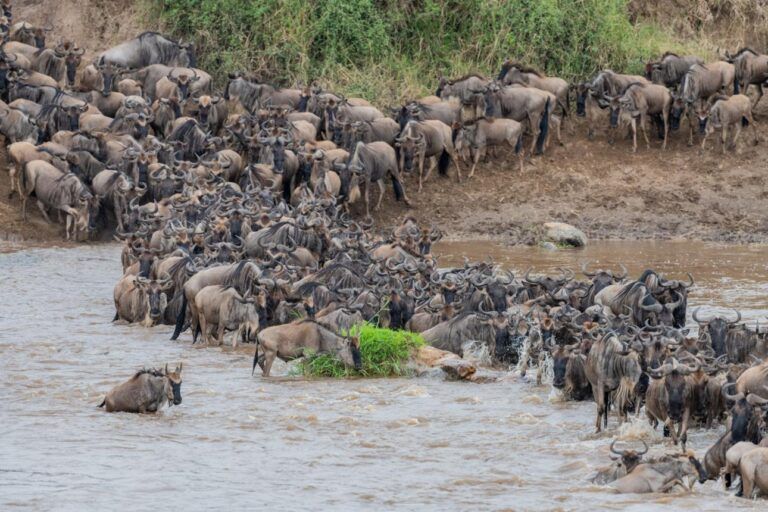
Traditional safaris are usually enjoyed in savanna parks such as Queen Elizabeth National Park, where wildlife is viewed during game drives. Open plains, scattered trees, and dry landscapes are commonly seen.
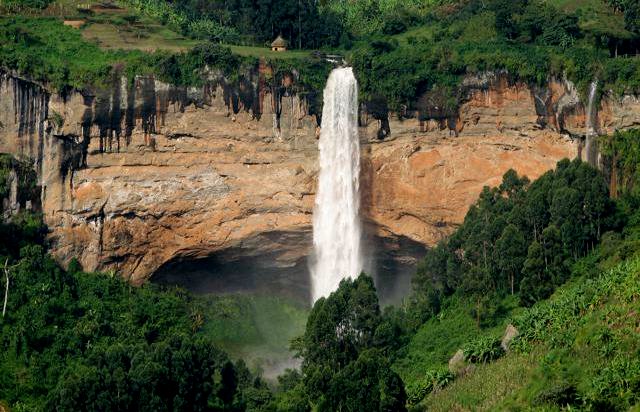
However, during gorilla trekking adventures, thick rainforests are entered instead. Mist-covered mountains, giant trees, waterfalls, and dense jungle trails are encountered. Consequently, travelers are given two completely different safari experiences within one trip.
For example, many tourists who begin their safari in Queen Elizabeth National Park later continue to Bwindi Forest for gorilla trekking. By doing so, both savannah wildlife and rainforest wildlife are enjoyed.
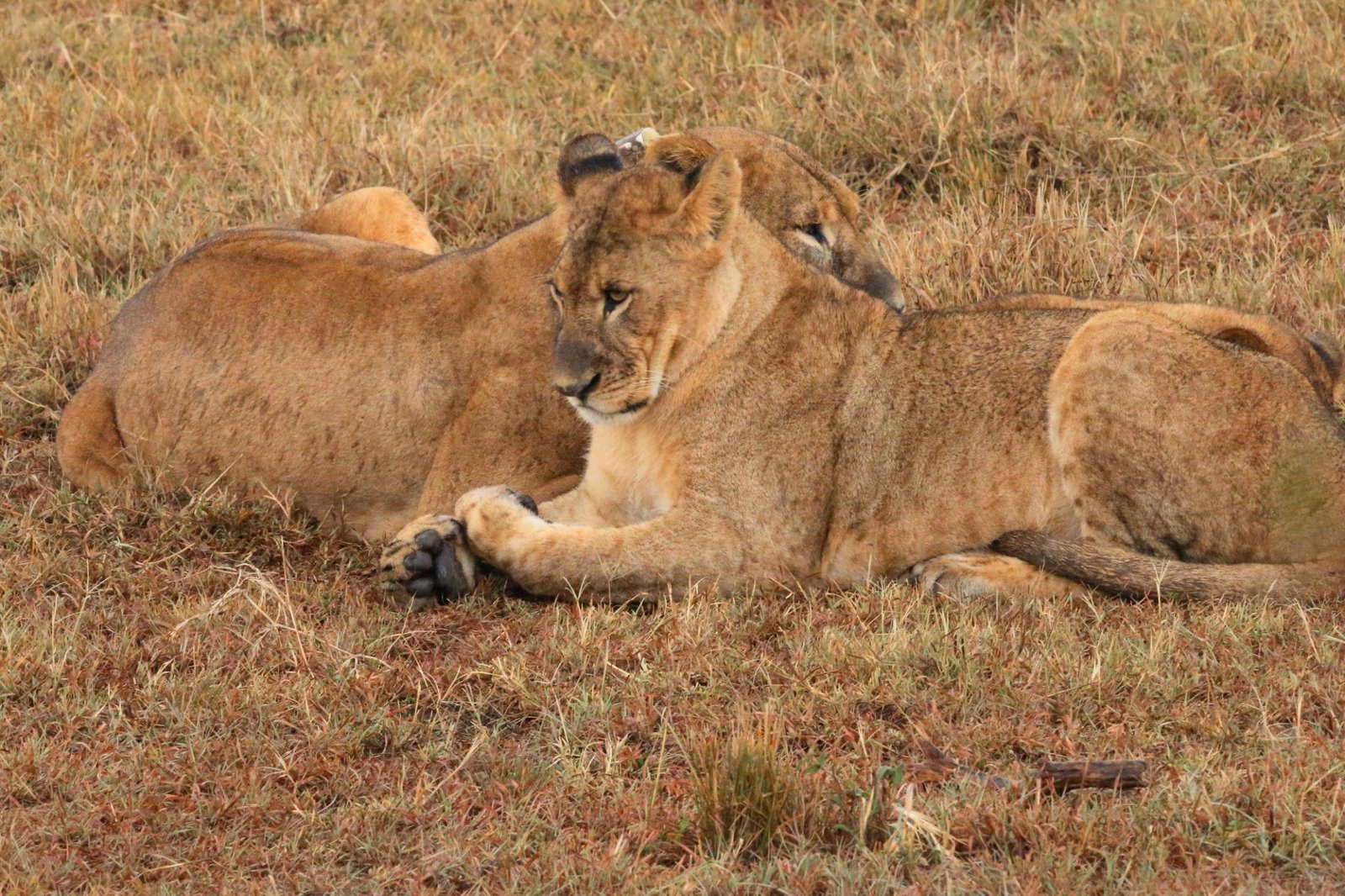
Additionally, travelers often mention that the transition from open plains to ancient jungle landscapes makes the safari feel more exciting and complete.
Emotional Wildlife Encounters Are Created
Another reason why gorilla trekking should be added to your African safari experience is the emotional connection that is created during the encounter.
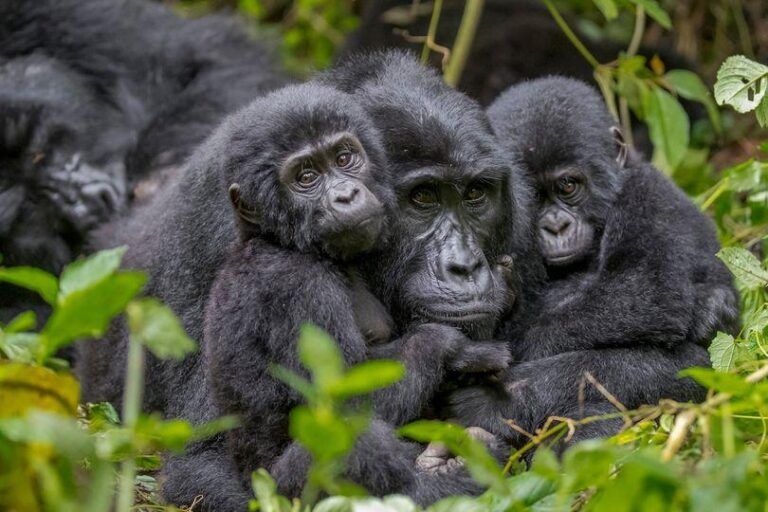
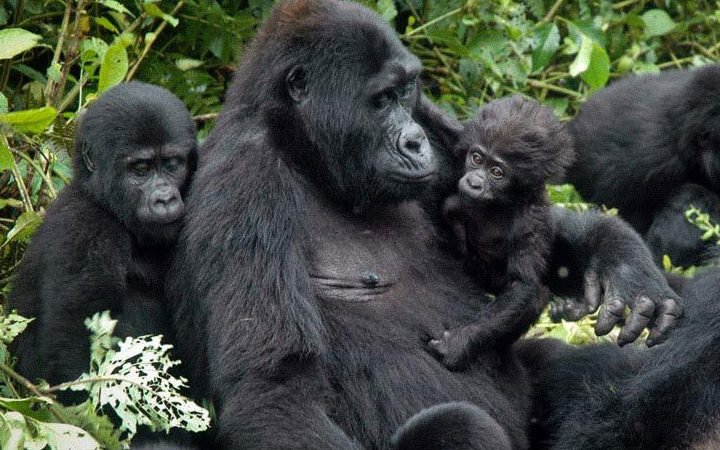
Unlike lions or leopards that are usually viewed from safari vehicles, mountain gorillas are observed at close range while visitors are on foot. Because of this, the experience feels more personal and authentic.
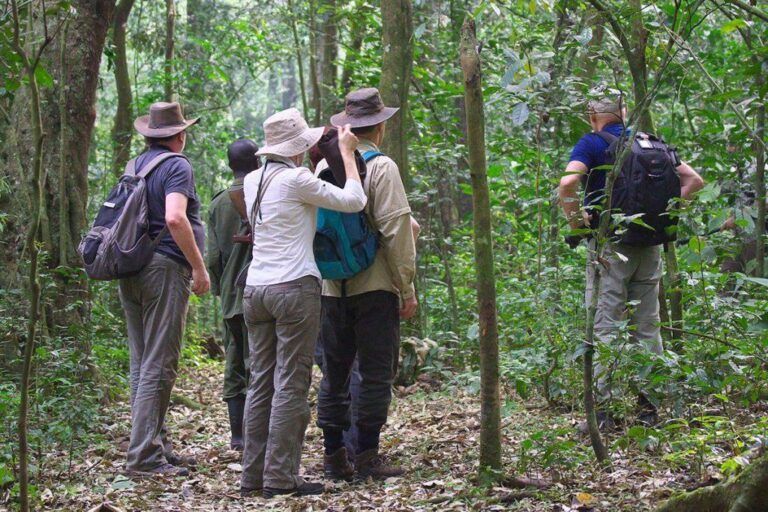
After hours of trekking through the forest, a gorilla family is finally located by experienced trackers. At that moment, silence is often felt across the group. Cameras are slowly lifted while travelers watch gorillas feeding, grooming, and playing.
For instance, a traveler from Germany recently described her gorilla trekking experience in Bwindi as “the most emotional wildlife moment” she had ever experienced. Similarly, honeymoon couples visiting Rwanda often say that seeing baby gorillas playing near their mothers becomes the highlight of their safari.
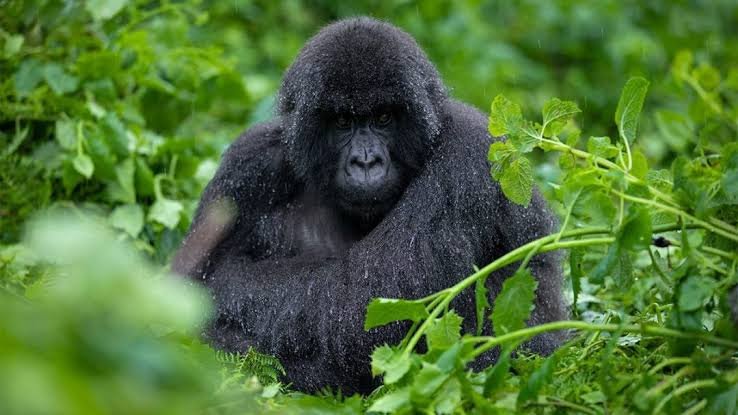
Most importantly, the human-like behavior of mountain gorillas creates a strong emotional impact. Facial expressions are noticed, family bonds are observed, and protective silverbacks are admired.
Therefore, why gorilla trekking should be added to your African safari experience becomes easy to understand once the encounter happens in person.
Rare and Exclusive Wildlife Experiences Are Offered
Why gorilla trekking should be added to your African safari experience can also be explained through its exclusivity.
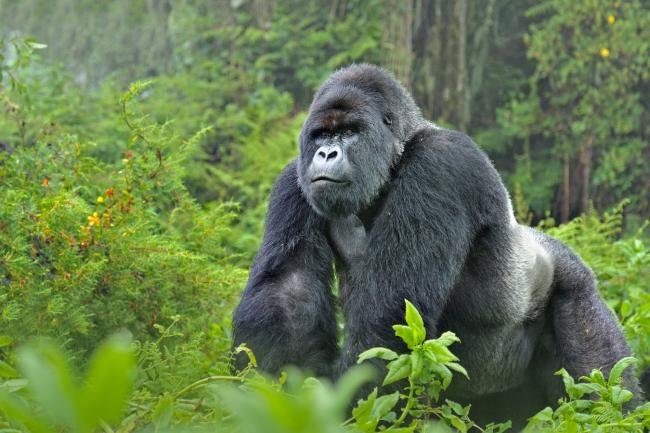
Mountain gorillas are among the rarest animals on Earth. Fewer than 1,100 individuals remain in the wild today. Because of this, gorilla trekking permits are highly controlled.
Only a small number of visitors are allowed to visit each gorilla family every day. As a result, overcrowding is prevented and the wildlife experience remains intimate.
Unlike crowded tourism activities in some destinations, gorilla trekking is carefully managed. Quiet observation is encouraged, and respectful wildlife viewing practices are followed.
For example, visitors trekking in Mgahinga Gorilla National Park often experience peaceful forest walks with very small groups. Consequently, the adventure feels more private and meaningful.
Additionally, travelers frequently share their gorilla trekking stories online because the experience is considered rare and unique.
Conservation Efforts Are Supported
Another important reason why gorilla trekking should be added to your African safari experience is the positive impact on conservation.
Gorilla permits help fund:
- Anti-poaching operations
- Ranger salaries
- Veterinary programs
- Forest protection projects
- Community development initiatives
As tourism revenue is generated, local communities are also supported. Schools, health centers, and employment opportunities are improved through sustainable tourism programs.
For example, many local guides and lodge workers living near Bwindi Forest have benefited directly from gorilla tourism. Because of these opportunities, wildlife conservation is strongly supported by nearby communities.
Furthermore, mountain gorilla populations have slowly increased over recent years because conservation programs have been funded successfully.
Therefore, travelers are not only enjoying an adventure but are also contributing toward wildlife protection.
Gorilla Trekking Adds Adventure to a Safari
Adventure lovers often understand immediately why gorilla trekking should be added to your African safari experience.
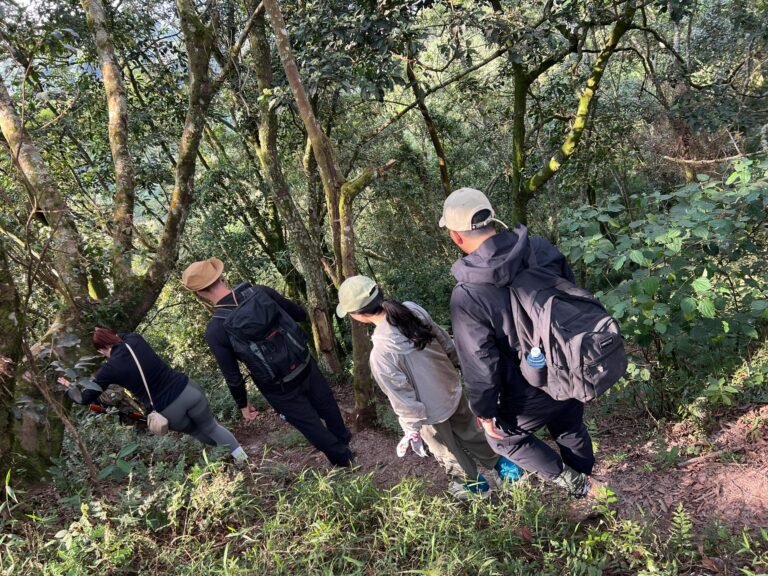
Unlike ordinary game drives, gorilla trekking involves hiking through forests, crossing muddy trails, climbing hills, and navigating thick vegetation.
Consequently, the activity feels more active and rewarding.
For example, travelers trekking in Bwindi often describe the experience as both physically challenging and emotionally satisfying. Rainforest sounds are heard, birds are spotted overhead, and fresh mountain air is enjoyed throughout the journey.
Moreover, every trek becomes different because gorillas move freely within the forest.
Because uncertainty is part of the adventure, excitement is constantly felt from the beginning of the hike until the gorillas are finally located.
Incredible Photography Opportunities Are Provided
Another reason why gorilla trekking should be added to your African safari experience is the photography opportunity that is offered.
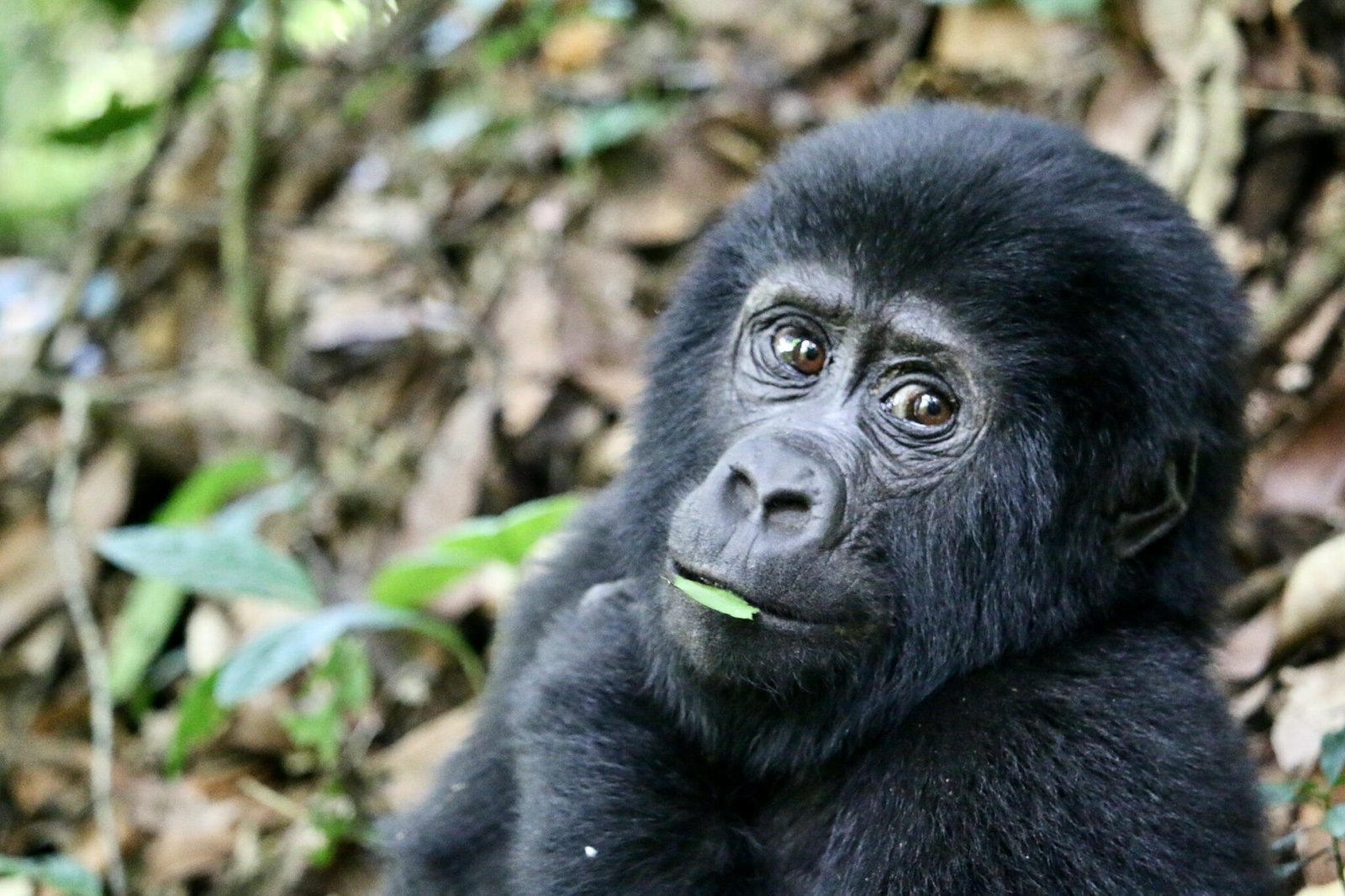
Mountain gorillas are highly expressive animals. Detailed facial features, emotional interactions, and family behavior can be captured beautifully.
Unlike cheetahs or antelopes that move quickly, gorillas often remain calm while being observed. Therefore, photographers are given more time to take memorable images.
For instance, wildlife photographers visiting Rwanda regularly capture powerful close-up portraits of silverbacks surrounded by green rainforest vegetation.
Additionally, social media travel content featuring gorilla trekking has become increasingly popular because the images feel authentic and emotional.
Gorilla Trekking Can Be Combined With Other Safaris
Many travelers discover why gorilla trekking should be added to their African safari experience after learning how easily it combines with other activities.
In Uganda, gorilla trekking is often combined with:
- Chimpanzee tracking
- Boat safaris
- Big Five game drives
- Birdwatching
- Cultural tours
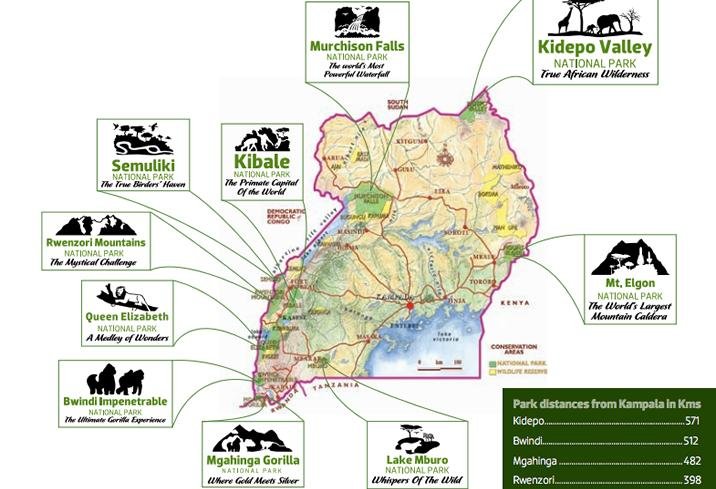
For example, travelers frequently begin in Murchison Falls National Park before continuing toward Bwindi Forest. This route allows both classic safari wildlife and mountain gorillas to be experienced within one itinerary.
Similarly, luxury travelers in Rwanda combine gorilla trekking with high-end lodges and wildlife safaris in Akagera National Park.
As a result, gorilla trekking has become one of the best additions to East African safari packages.
Best Time for Gorilla Trekking
The dry seasons are usually recommended because forest trails become easier to hike.
The best months include:
- June to September
- December to February
However, gorilla trekking is available throughout the year.
Because rainforest weather changes quickly, waterproof clothing should always be packed.
What Should Be Packed for Gorilla Trekking?
Travelers are advised to carry:
- Hiking boots
- Waterproof jackets
- Long trousers
- Gloves
- Insect repellent
- Drinking water
- Cameras
- Energy snacks
Comfortable clothing is highly recommended because steep forest trails are sometimes encountered.
Ultimately, why gorilla trekking should be added to your African safari experience becomes clear once the journey begins. A deeper wildlife connection is created, rare mountain gorillas are encountered, and unforgettable rainforest adventures are experienced.
Unlike ordinary safaris, gorilla trekking combines conservation, emotion, adventure, and exclusivity into one activity.
For travelers seeking meaningful wildlife encounters in East Africa, gorilla trekking continues to stand among the greatest safari experiences in the world.