
Wild Animals in Uganda: Uganda’s Wildlife and National Parks
Uganda is one of Africa’s most biodiverse countries and home to some of the most remarkable wild animals on Earth. Known as the Pearl of Africa, Uganda offers a unique combination of savannah wildlife, tropical rainforest species, mountain ecosystems, wetlands, and freshwater habitats. This incredible diversity makes the country one of the best wildlife destinations in Africa.
From the endangered mountain gorillas of Bwindi to the tree‑climbing lions of Ishasha and the giant elephants of Queen Elizabeth National Park, Uganda provides unforgettable wildlife encounters. The country’s ten national parks protect hundreds of mammal species, more than 1,000 bird species, reptiles, amphibians, and countless insects.
This comprehensive guide explores the most famous wild animals in Uganda, where they can be found, their behaviors, why they are important to the country’s ecosystems, and how you can see them on safari. Whether you are a first‑time visitor or a seasoned wildlife enthusiast, this guide will give you everything you need to know about Uganda’s extraordinary wildlife.
Mountain Gorillas: Uganda’s Gentle Giants
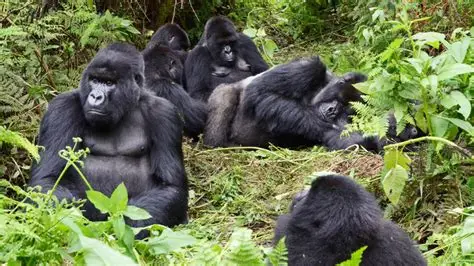
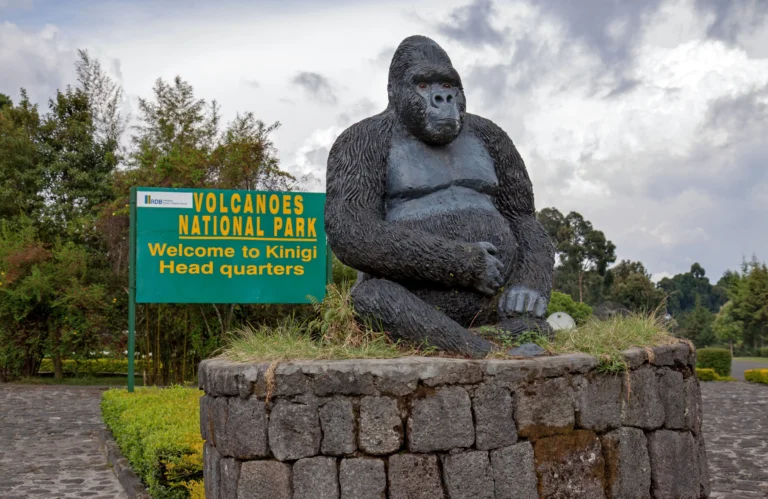
Mountain gorillas are Uganda’s most famous wild animals and among the rarest primates on the planet. They share approximately 98% of their DNA with humans, making them one of our closest living relatives. Observing a mountain gorilla family in the dense forests of Bwindi or Mgahinga is widely regarded as one of the most profound wildlife experiences in the world.
Mountain gorillas live in cohesive family groups, each led by a dominant silverback male who protects the group and makes key decisions. A typical gorilla family can contain between 5 and 30 individuals, including several adult females, juveniles, and infants. The silverback is easily recognised by the saddle of silver hair across his back, which develops around the age of 12. These great apes are gentle and remarkably social, spending their days foraging, grooming, playing, and resting.
Their diet is primarily vegetarian, consisting of leaves, stems, bamboo shoots, fruits, and occasionally ants or termites. An adult male can consume up to 30 kg of vegetation per day. Despite their intimidating size – a silverback can weigh over 180 kg and stand over 1.7 metres tall when upright – mountain gorillas are generally calm and non‑aggressive unless threatened.
| Feature | Details |
|---|---|
| Scientific Name | Gorilla beringei beringei |
| Lifespan | Up to 40 years in the wild |
| Diet | Herbivorous (leaves, shoots, fruits) |
| Social Structure | Family groups led by a silverback |
| Reproduction | Single infant every 3–4 years |
| Conservation Status | Endangered |
Where to See Mountain Gorillas in Uganda
Uganda is home to more than half of the world’s remaining mountain gorilla population, spread across two protected areas:
- Bwindi Impenetrable National Park – A UNESCO World Heritage Site, Bwindi harbours over 20 habituated gorilla families and offers the most reliable gorilla trekking in Africa.
- Mgahinga Gorilla National Park – Part of the larger Virunga Conservation Area, this park hosts one habituated family, the Nyakagezi group, and offers dramatic volcanic scenery.
Gorilla Trekking Experience
A gorilla trekking permit costs USD 800 for foreign non‑residents, USD 700 for foreign residents, and UGX 300,000 for East African citizens. Trekking begins early in the morning with a briefing at the park headquarters. Visitors are assigned a gorilla family and then hike into the forest, accompanied by experienced guides and trackers. The trek can last anywhere from one to six hours depending on the location of the gorillas. Once found, visitors are allowed exactly one hour to observe and photograph these magnificent creatures. The encounter is strictly regulated to minimise stress on the animals and ensure their well‑being.
For those seeking a deeper experience, the Gorilla Habituation Experience in Bwindi’s Rushaga sector permits up to four hours with a gorilla family, alongside researchers. This exclusive activity costs USD 1,500 and is limited to only four permits per day.
Conservation Success Story
Mountain gorillas were once on the brink of extinction, with numbers falling below 250 individuals in the 1980s. Thanks to intensive conservation efforts, anti‑poaching patrols, community engagement, and regulated tourism, the population has rebounded to over 1,000 individuals today. This is one of Africa’s greatest wildlife conservation success stories.
African Elephant – The Ecosystem Engineer
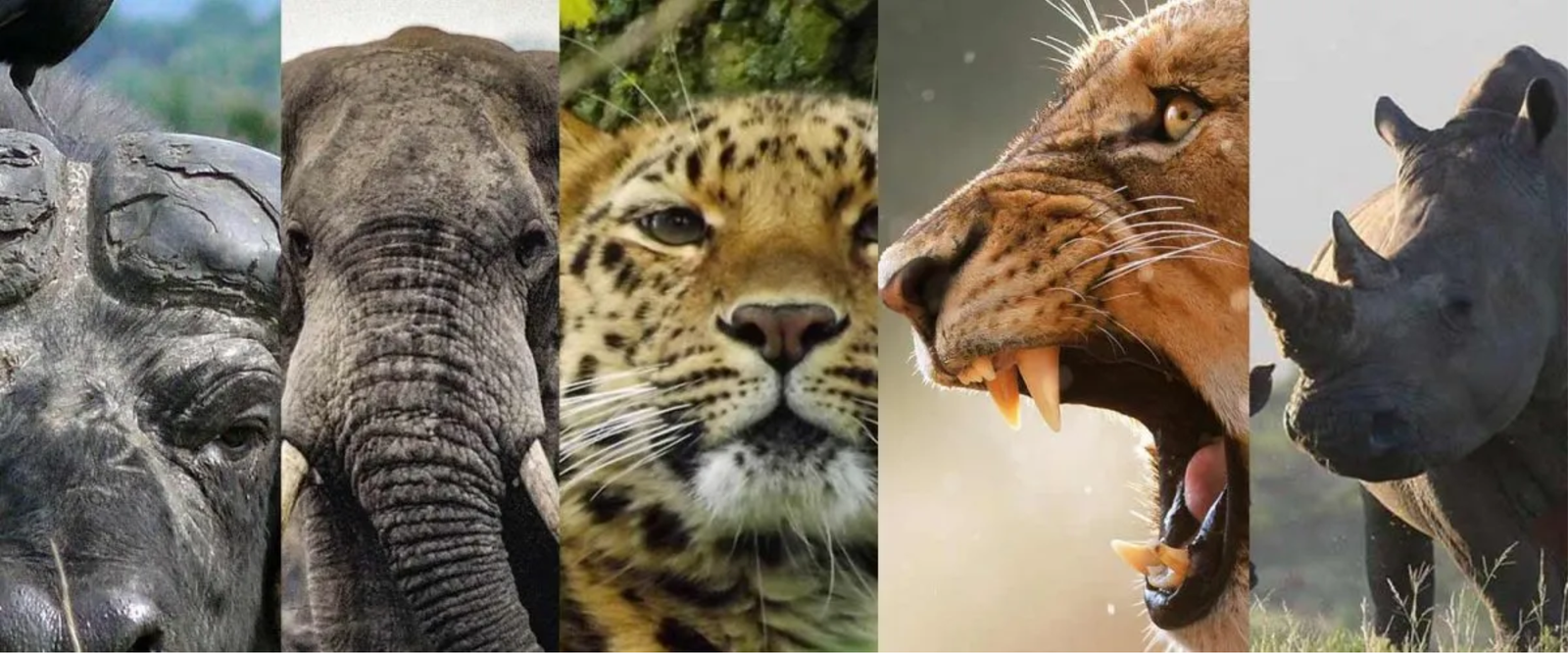
The African elephant is the largest land mammal on Earth and one of Uganda’s most iconic wild animals. These intelligent and highly social creatures play a critical role in shaping the landscapes they inhabit. As they move through forests and savannahs, elephants knock down trees, create trails, disperse seeds through their dung, and dig water holes that benefit countless other species. For this reason, they are often called ecosystem engineers.
Uganda is home to both the African bush elephant (Loxodonta africana) and, potentially in the far west, the smaller African forest elephant. Elephants live in matriarchal herds led by the oldest and most experienced female. Bulls tend to be more solitary or form loose bachelor groups. These animals communicate over vast distances using low‑frequency rumbles that can travel through the ground.
| Feature | Details |
|---|---|
| Weight | Up to 6,000 kg |
| Daily Food Intake | Up to 150 kg of vegetation |
| Daily Water Intake | Up to 200 litres |
| Gestation Period | 22 months (longest of any mammal) |
| Conservation Status | Endangered |
Where to Find Elephants in Uganda
- Murchison Falls National Park – The largest population, often seen along the Nile.
- Queen Elizabeth National Park – Large herds in the Kasenyi plains.
- Kidepo Valley National Park – Spectacular dry‑season sightings.
Tree‑Climbing Lions – Ishasha’s Unique Predators
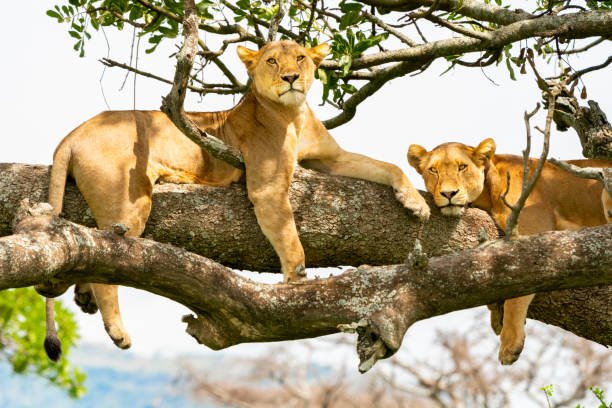
Uganda is one of the very few places on Earth where lions regularly climb trees and spend hours lounging on large branches. The Ishasha sector of Queen Elizabeth National Park is famous for this unusual behaviour. Unlike lions elsewhere that occasionally climb, the Ishasha lions have made it a daily habit, resting high in fig trees and acacias to escape the heat and biting tsetse flies.
Researchers believe tree‑climbing offers several advantages: it provides a cooler resting spot, gives the lions a vantage point to scan for prey, and helps them avoid insect pests. Observing a pride of lions draped lazily over branches while Uganda kobs graze below is a surreal and memorable sight.
| Feature | Details |
|---|---|
| Scientific Name | Panthera leo |
| Pride Size | 3–25 individuals |
| Tree‑Climbing Hotspot | Ishasha, Queen Elizabeth NP |
| Conservation Status | Vulnerable |
African Leopard – The Elusive Stalker
The African leopard is one of Uganda’s most secretive and adaptable large carnivores. Its beautifully rosetted coat provides exceptional camouflage in both dense forest and open woodland. Leopards are solitary, mainly nocturnal hunters, capable of dragging prey heavier than themselves up into trees to keep it safe from scavengers.
In Uganda, leopards are found in several national parks, though sightings require patience and a sharp eye. They are powerful swimmers and climbers, and their diet includes antelopes, monkeys, warthogs, and birds. Leopards mark their territory with scent and vocalise with a distinctive rasping call.
| Park | Sighting Quality |
|---|---|
| Murchison Falls NP | Good |
| Queen Elizabeth NP | Good |
| Kidepo Valley NP | Excellent |
| Lake Mburo NP | Occasional |
African Buffalo – The Unpredictable Heavyweight
African buffaloes are robust and formidable members of the Big Five. Their massive build, thick curved horns, and unpredictable temperament make them one of Africa’s most dangerous animals. Buffaloes are highly social, forming large herds that can number in the hundreds, sometimes over a thousand individuals during the dry season.
They are bulk grazers and need daily access to water. Old bulls that leave the herd are often solitary and can be particularly aggressive. Despite their dangerous reputation, buffaloes play an essential ecological role by grazing on tall grasses and creating pathways used by other animals.
| Feature | Description |
|---|---|
| Weight | 500–900 kg |
| Horn Shape | Heavy boss (fused base) in males |
| Habitat | Savannah, wetlands, forests |
| Conservation Status | Near Threatened |
Rothschild’s Giraffe – The Elegant Tower
Uganda is one of the last strongholds of the Rothschild’s giraffe, a subspecies distinguished by its pale coat and lack of markings on the lower legs. Standing up to 5.5 metres tall, these graceful giants browse on leaves high in the acacia canopy. Their prehensile tongue, which can be 45 cm long, strips leaves from thorny branches with ease.
Giraffes live in loose, open herds and have a unique walking gait, moving both legs on one side of the body simultaneously. They require very little sleep, often resting for just a few minutes at a time. Despite their size, they are vulnerable to lion predation, especially when bending down to drink.
| National Park | Population |
|---|---|
| Murchison Falls NP | Over 1,500 individuals |
| Kidepo Valley NP | Small but growing population |
Chimpanzees – Our Closest Cousins
Chimpanzees are Uganda’s most famous primates after mountain gorillas. Sharing around 98.8% of our DNA, they are intelligent, social, and emotionally complex. Chimps live in large communities of up to 150 individuals, though they typically forage in smaller subgroups. They are known for using tools, such as sticks to extract termites or leaves to drink water.
Their vocal communication is rich and varied, from the loud pant‑hoot calls that echo through the forest to softer grunts and barks. Chimpanzee trekking is a thrilling experience, offering a chance to watch these lively apes interact in their natural rainforest home.
| Location | Experience |
|---|---|
| Kibale National Park | Best place; over 1,500 chimps |
| Budongo Forest Reserve | Habituated community; scenic trails |
| Kyambura Gorge (Queen Elizabeth NP) | Chimpanzees in a dramatic gorge setting |
Hippopotamus – River Giants of Uganda
Hippos are among the most iconic wild animals in Uganda, especially along the Kazinga Channel and the Nile River. Despite their bulky appearance, they are remarkably agile in water and can hold their breath for up to five minutes. Hippos spend the day submerged to keep cool, emerging at night to graze on grass.
They are highly territorial in water and considered one of Africa’s most dangerous animals due to their powerful jaws and sharp teeth. A hippo’s bite can crush a small boat. Yet they play a crucial role in aquatic ecosystems, as their dung fertilizes the water, supporting fish and insect populations.
| Feature | Details |
|---|---|
| Weight | 1,500–3,200 kg |
| Speed (in water) | Up to 8 km/h |
| Group Size | Pods of 10–30 |
| Conservation Status | Vulnerable |
Nile Crocodile – Ancient Predator
The Nile crocodile is Africa’s largest reptile and a formidable apex predator. In Uganda, they are commonly seen basking on sandbanks along the Victoria Nile and the Kazinga Channel. These prehistoric creatures can exceed 5 meters in length and possess one of the strongest bite forces in the animal kingdom.
Crocodiles are ambush hunters, perfectly camouflaged as floating logs. They feed on fish, antelopes that come to drink, and occasionally larger mammals. Female crocodiles are attentive mothers, guarding their nests and gently carrying hatchlings to water in their jaws.
Plains Zebra Stripes of the Savannah
Uganda is home to the plains zebra, most commonly seen in Lake Mburo and Kidepo Valley national parks. Each zebra has a unique stripe pattern, like a fingerprint. The stripes are believed to confuse predators, regulate body temperature, and deter biting flies. Zebras are social animals, living in family groups called harems, led by a dominant stallion.
Cheetah – Speed Demon of Kidepo
The cheetah is the world’s fastest land animal, capable of accelerating from 0 to 100 km/h in just three seconds. In Uganda, cheetahs are now reliably found only in Kidepo Valley National Park. Their slender build, deep chest, and long tail make them uniquely adapted for high‑speed pursuits. Unlike other big cats, cheetahs hunt during the day to avoid competition.
Eland – Africa’s Largest Antelope
The eland is a massive antelope with distinctive spiral horns and a thick neck hump. Despite its size, it is an excellent jumper, capable of clearing 2‑meter fences. Elands are primarily browsers but also graze. They are found in small herds in Lake Mburo and Kidepo Valley national parks.
Uganda Kob – The National Antelope
The Uganda kob is a graceful antelope that appears on the country’s coat of arms. It is a subspecies of the kob antelope and is particularly abundant in Queen Elizabeth National Park, where its lek mating displays are a highlight. Males gather on traditional breeding grounds and compete for the attention of females.
Other Wild Animals Found in Uganda
Beyond the charismatic megafauna, Uganda shelters a staggering variety of other mammals, each contributing to the country’s ecological richness.
Warthog
The common warthog is a tough, adaptable pig found in savannah and woodland areas. Its large tusks, facial warts, and habit of running with its tail held upright make it instantly recognisable. Warthogs kneel on their calloused front knees to graze and often use abandoned aardvark burrows for shelter.
Spotted Hyena
Often misunderstood, spotted hyenas are highly intelligent and live in complex matriarchal clans. They are efficient hunters as well as scavengers, with powerful jaws capable of crushing bone. Their eerie whooping calls are a signature sound of the African night.
Serval Cat
The serval is a slender, medium‑sized cat with long legs and large ears. It is an exceptional hunter of rodents and birds, using its acute hearing to pinpoint prey in tall grass before leaping high into the air to pounce. Servals are mostly nocturnal and seldom seen.
Topi
Topi are fast‑running antelopes with a sleek, reddish‑brown coat and bluish‑black patches on their flanks. They are found in Queen Elizabeth and Murchison Falls national parks, where they prefer open plains. Topi are known for their sentinel behaviour, with one individual standing on a termite mound to watch for predators.
Oribi
One of Uganda’s smallest antelopes, the oribi is a delicate and shy grazer found in grasslands. It has a reddish‑brown back and white underparts. Oribi live in pairs or small groups and are exceptionally quick when fleeing danger.
Waterbuck
Waterbuck are large antelopes with a shaggy brown‑grey coat and a distinctive white ring on the rump. They are never far from water and are known for their strong, musky odour that is thought to deter predators. Common sightings occur along the Kazinga Channel and the Nile.
Bushbuck
Bushbuck are solitary, secretive antelopes of dense bush and riverine forest. Their chestnut coat is marked with white spots and stripes. They are excellent swimmers and will readily take to water when threatened.
Sitatunga
This swamp‑dwelling antelope is specially adapted to wetland habitats. Its elongated, splayed hooves allow it to walk on floating vegetation. Sitatungas are shy and mostly found in the papyrus swamps of Queen Elizabeth and other wetland areas.
Reedbuck
Reedbuck are medium‑sized antelopes that inhabit grasslands and reed beds. They have a greyish‑brown coat and a bushy tail. Males have short, forward‑curving horns.
Jackson’s Hartebeest
A subspecies of hartebeest found in Uganda, characterised by its elongated forehead and curved horns. They are fast runners and live in open plains, notably in Murchison Falls and Kidepo Valley national parks.
Primates
Uganda is a primate paradise. In addition to gorillas and chimpanzees, the country is home to black‑and‑white colobus monkeys, known for their flowing white tails and leaf‑based diet; vervet monkeys, with their mischievous habits around lodges; olive baboons, large and intelligent ground‑dwelling monkeys; and the endangered golden monkey, found only in the Virunga Volcanoes region, particularly Mgahinga Gorilla National Park.
Giant Forest Hog
The giant forest hog is the world’s largest wild pig. It has a coarse black coat and large facial warts. They are found in the forests of Queen Elizabeth and Bwindi and move in sounders of up to twenty individuals.
Nocturnal and Secretive Creatures
Uganda is also home to the elusive aardvark, a nocturnal ant‑eater with a long snout and powerful claws; the pangolin, a scaly anteater that curls into a ball when threatened; the African civet, a spotted, cat‑like creature that marks its territory with musk; the genet cat, a slender, spotted carnivore with a long ringed tail; and the African wild cat, ancestor of the domestic cat, found in savannah regions. Reptiles such as the Nile monitor lizard and the impressive African rock python are also widespread.
Uganda’s National Parks and Their Signature Animals
Bwindi Impenetrable National Park
A UNESCO World Heritage Site, Bwindi is the premier destination for mountain gorilla trekking. Over 20 habituated families live here, along with forest elephants, giant forest hogs, and a phenomenal diversity of birds, including 23 Albertine Rift endemics. The park’s ancient rainforest is one of the most biologically diverse forests in Africa.
| Key Species | Best Time to Visit |
|---|---|
| Mountain gorilla, forest elephant, giant forest hog | June–September, December–February |
Murchison Falls National Park
Uganda’s largest national park is bisected by the Victoria Nile. It boasts the world’s most powerful waterfall and an abundance of wildlife, including elephants, giraffes, buffaloes, lions, leopards, and hippos. A boat cruise to the base of the falls offers spectacular wildlife viewing.
| Highlight | Experience |
|---|---|
| Nile boat safari | Elephants, hippos, crocodiles, water birds |
| Game drives | Lions, leopards, Rothschild’s giraffe |
Queen Elizabeth National Park
This park is famous for its tree‑climbing lions in Ishasha and the boat cruise on the Kazinga Channel, where one of the highest concentrations of hippos in Africa can be seen. The park also hosts elephants, buffaloes, leopards, and over 600 bird species.
| Sector | Signature Wildlife |
|---|---|
| Kasenyi Plains | Lions, Uganda kob, elephants |
| Ishasha Sector | Tree‑climbing lions, topi |
| Kazinga Channel | Hippos, crocodiles, water birds |
Kibale National Park
Kibale is the primate capital of the world, home to 13 primate species including the largest population of chimpanzees in Uganda. The park’s tropical rainforest also shelters forest elephants, duikers, and a dazzling array of butterflies and birds.
| Activity | Key Species |
|---|---|
| Chimpanzee trekking | Chimpanzee, red colobus, grey‑cheeked mangabey |
| Bigodi Swamp walk | Sitatunga, great blue turaco, primates |
Kidepo Valley National Park
Remote and rugged, Kidepo is Uganda’s most spectacular wilderness. It hosts cheetahs, lions, elephants, giraffes, and the endemic Jackson’s hartebeest. Its sweeping savannahs and mountain backdrop create an Africa of one’s imagination.
| Speciality | Animal |
|---|---|
| Cheetah | Only reliable place in Uganda |
| Ostrich | Introduced population |
Lake Mburo National Park
This small but accessible park is the best place in Uganda to see zebras and elands. It also offers walking safaris and night drives, providing a chance to spot leopards, hyenas, and bush babies. The lake system attracts hippos, crocodiles, and diverse water birds.
| Unique Feature | Details |
|---|---|
| Walking safaris | Guided bush walks to see zebras, impalas |
| Night drives | Leopards, hyenas, bush babies |
Conservation: Protecting Uganda’s Wild Animals
Uganda has made remarkable strides in wildlife conservation over the past few decades. The Uganda Wildlife Authority (UWA) manages the national parks and works with local communities to reduce human‑wildlife conflict. Anti‑poaching patrols, community revenue‑sharing schemes, and conservation education programmes have contributed to the recovery of species like mountain gorillas, elephants, and Rothschild’s giraffes. However, challenges remain, including habitat loss, climate change, and illegal wildlife trafficking. Sustainable tourism plays a vital role by generating funds and creating incentives for local people to protect wildlife.
Uganda’s extraordinary array of wild animals – from the mountain gorillas in misty forests to the tree‑climbing lions of Ishasha, the elephants of Murchison Falls, and the cheetahs of Kidepo – makes it one of the most rewarding wildlife destinations on the continent. Each national park offers a unique window into Africa’s natural heritage. By visiting Uganda, travellers not only witness some of the world’s most incredible creatures but also contribute directly to their survival.
Whether you are planning a dedicated gorilla safari, a classic Big Five adventure, or an in‑depth primate‑watching expedition, Uganda will exceed your expectations. Its wild animals are waiting to leave you with memories that will last a lifetime.