What Gorillas Are in Uganda?
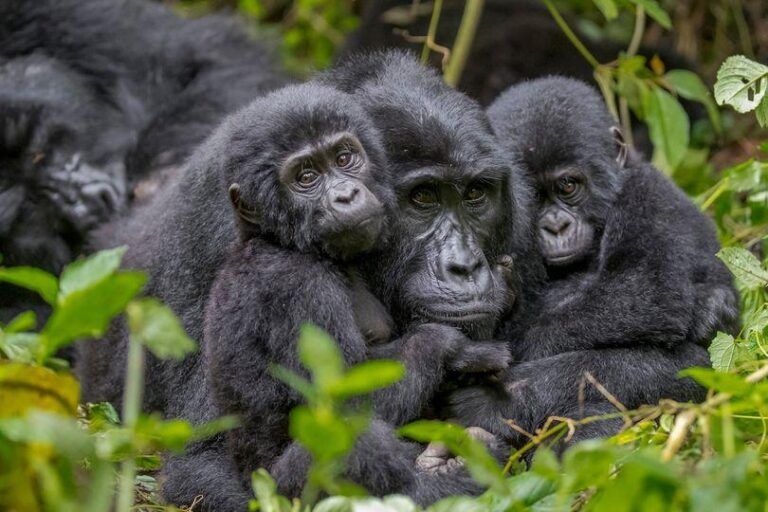
What gorillas are in Uganda? This is a common question among wildlife enthusiasts, students, and travelers interested in Africa’s incredible biodiversity. Uganda is home to the mountain gorilla, one of the rarest and most endangered great apes in the world.
These gentle giants live in the mist-covered forests of southwestern Uganda and are among the country’s most iconic wildlife species. Their intelligence, family structure, and close genetic relationship to humans make them one of the most fascinating animals on Earth.
In this article, we explore the gorillas found in Uganda, their habitat, behavior, conservation status, and why they are so important to global wildlife conservation.
What Gorillas Are in Uganda?
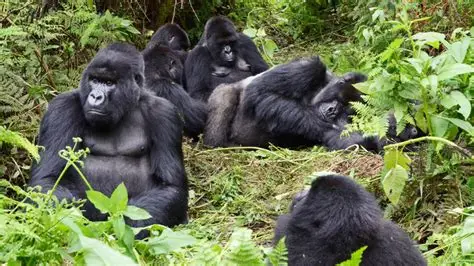
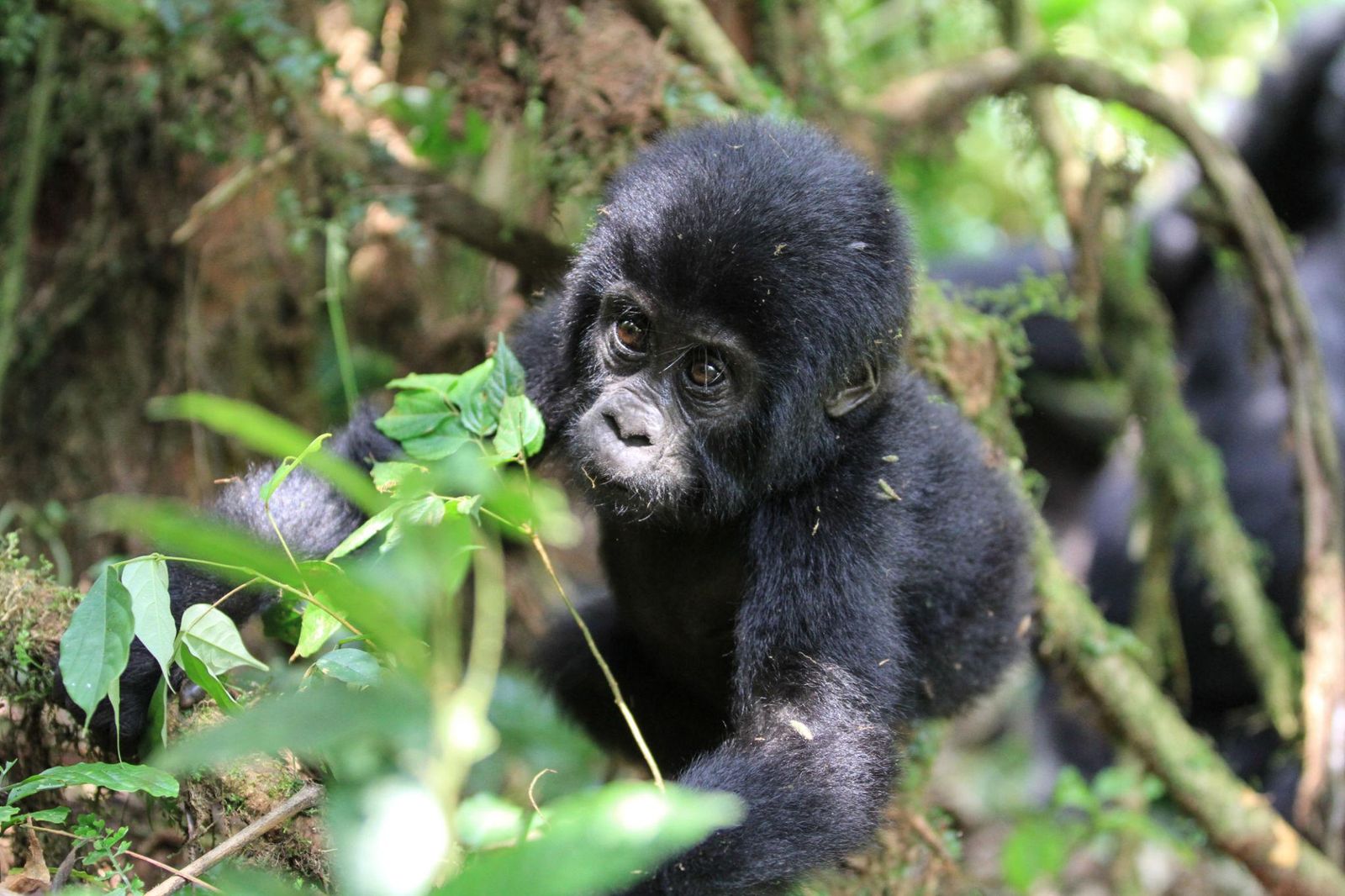
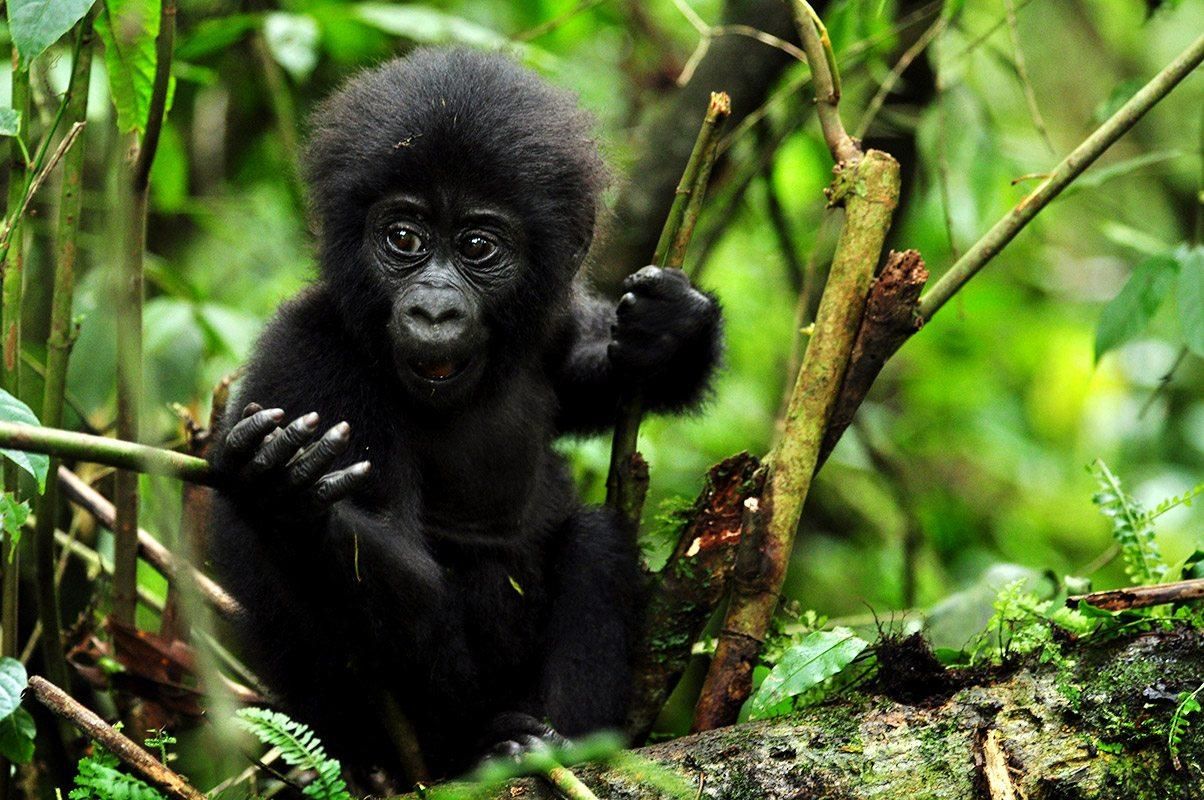
The gorillas found in Uganda are known as mountain gorillas (Gorilla beringei beringei).
Mountain gorillas are a subspecies of the eastern gorilla and are found only in a few protected forest regions of East and Central Africa. Unlike western lowland gorillas, mountain gorillas live at high elevations in dense tropical and montane forests.
Uganda supports one of the largest populations of mountain gorillas in the world, making the country a vital stronghold for the species.
Characteristics of Uganda’s Mountain Gorillas
Mountain gorillas possess several unique characteristics that help them survive in their forest environment.
Thick Fur for Cold Climates
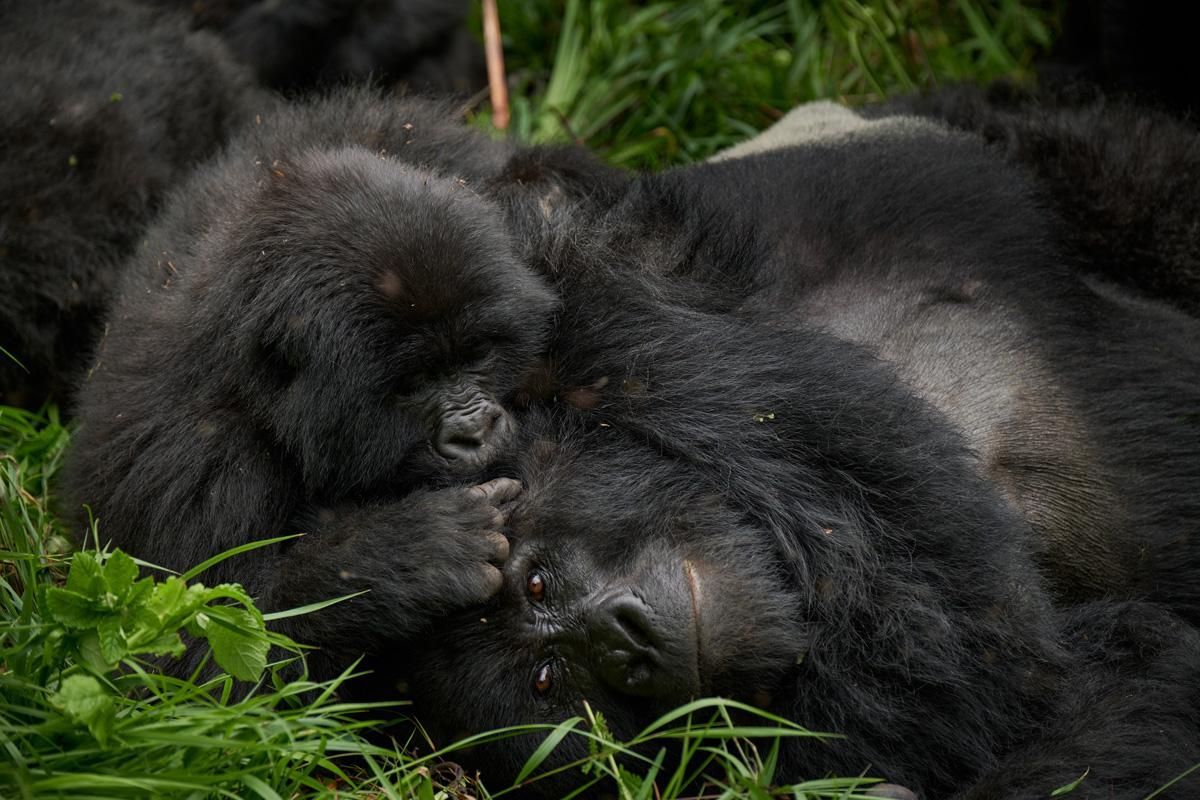
Unlike many other gorilla species, mountain gorillas have long, thick fur that protects them from cold temperatures in high-altitude forests.
Large Body Size
Mountain gorillas are the largest living primates. Adult males can weigh over 180 kilograms and stand nearly two meters tall when upright.
Silverback Males
As male gorillas mature, they develop a patch of silver-colored hair across their backs. These dominant males are known as silverbacks and serve as leaders and protectors of their family groups.
High Intelligence
Like other great apes, mountain gorillas demonstrate advanced problem-solving skills, emotional awareness, and complex social behavior.
Where Do Mountain Gorillas Live in Uganda?
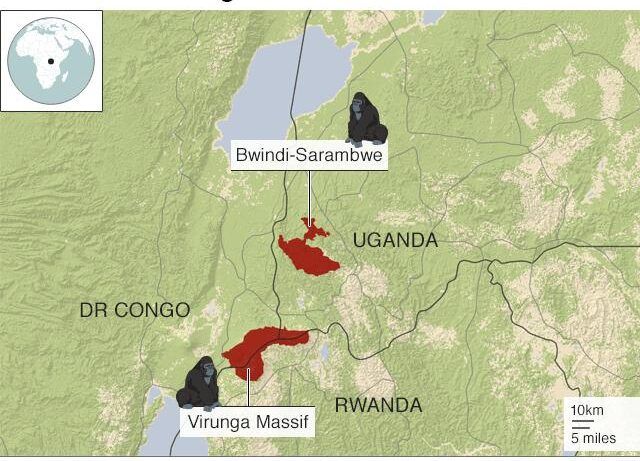
Mountain gorillas in Uganda are found in two protected national parks.
Bwindi Impenetrable National Park
Bwindi Impenetrable National Park is the most famous gorilla habitat in Uganda. The park contains ancient rainforest and supports a significant portion of the global mountain gorilla population.
The dense vegetation provides food, shelter, and protection for gorilla families throughout the year.
Mgahinga Gorilla National Park
Mgahinga Gorilla National Park lies within the larger Virunga ecosystem. Although smaller than Bwindi, it offers suitable habitat for mountain gorillas and contributes significantly to conservation efforts.

Mountain gorillas are among humanity’s closest living relatives. Scientists estimate that humans share approximately 98 percent of their DNA with gorillas.
As a result, gorillas display many behaviors that resemble human social interactions.
For example, they:
- Form close family bonds
- Care for their young over many years
- Express emotions through facial expressions
- Communicate using sounds and gestures
- Learn from observation and experience
These similarities have made gorillas important subjects for scientific research and conservation education.
How Do Mountain Gorillas Live?
Mountain gorillas live in social groups called troops or families.
A typical gorilla family may include:
- One dominant silverback
- Several adult females
- Juvenile gorillas
- Infants
- Younger males
The silverback plays a critical role in group survival. He protects family members, resolves conflicts, and guides the group to feeding areas.
Meanwhile, mothers provide extensive care for their offspring, helping them learn important survival skills.
What Do Uganda’s Gorillas Eat?
Mountain gorillas are herbivores. Their diet consists almost entirely of plant material.
Common foods include:
- Leaves
- Bamboo shoots
- Tree bark
- Stems
- Roots
- Wild fruits
Because they consume large amounts of vegetation each day, gorillas spend much of their time feeding and moving through forest habitats in search of food.
Additionally, their feeding habits help disperse seeds and support healthy forest ecosystems.
How Many Mountain Gorillas Are Left?
Mountain gorillas were once considered one of the most endangered animals in the world. Habitat loss, poaching, and disease threatened their survival for decades.
However, conservation efforts have helped their population recover significantly.
Today, mountain gorilla numbers have increased compared to previous decades, making them one of the few great ape species whose population has shown positive growth.
Nevertheless, they remain vulnerable and require continued protection.
Threats Facing Uganda’s Gorillas
Despite conservation successes, mountain gorillas still face several challenges.
Habitat Loss
Growing human populations can place pressure on forest ecosystems through agriculture and land use changes.
Disease Transmission
Because gorillas are closely related to humans, they can be affected by some human diseases.
Climate Change
Changing environmental conditions may affect food availability and habitat quality.
Human-Wildlife Conflict
Occasional interactions between wildlife and nearby communities can create conservation challenges.
Therefore, long-term conservation strategies remain essential for protecting gorilla populations.
Why Uganda Plays a Key Role in Gorilla Conservation
Uganda has become an international leader in mountain gorilla conservation.
Several factors contribute to this success:
Protected Habitats
National parks safeguard critical gorilla habitats from development and environmental degradation.
Scientific Research
Researchers continuously monitor gorilla populations to better understand their behavior and health.
Community Involvement
Conservation programs often work closely with local communities to promote sustainable environmental practices.
Wildlife Monitoring
Park authorities regularly track gorilla groups and monitor potential threats to their survival.
As a result, Uganda remains one of the most important countries for the future of mountain gorillas.
Interesting Facts About Uganda’s Mountain Gorillas
- Mountain gorillas build a new nest almost every evening.
- Gorilla infants remain dependent on their mothers for several years.
- Silverbacks can lead families for more than a decade.
- Mountain gorillas rarely drink water directly because they obtain moisture from plants.
- Each gorilla has a unique nose print, similar to a human fingerprint.
- Gorillas communicate using more than twenty different vocal sounds.
- They spend much of their day feeding and resting.
Frequently Asked Questions
What gorillas are in Uganda?
Uganda is home to the mountain gorilla, a subspecies of the eastern gorilla.
Are there lowland gorillas in Uganda?
No. Uganda’s wild gorilla population consists of mountain gorillas rather than western or eastern lowland gorillas.
Where can mountain gorillas be found in Uganda?
Mountain gorillas live in Bwindi Impenetrable National Park and Mgahinga Gorilla National Park.
Why are mountain gorillas endangered?
Historically, habitat loss, disease, and poaching reduced their numbers significantly. Conservation efforts have improved their outlook, but they still require protection.
Why are mountain gorillas important?
Mountain gorillas help maintain healthy forest ecosystems and provide valuable insights into primate behavior, evolution, and conservation science.
Conclusion
When asking “What gorillas are in Uganda?”, the answer is simple: Uganda is home to the remarkable mountain gorilla. These endangered great apes inhabit the forests of southwestern Uganda and represent one of the world’s greatest conservation success stories.
Their intelligence, social structure, and ecological importance make them a vital part of Africa’s natural heritage. Through continued conservation efforts, Uganda remains a crucial sanctuary for mountain gorillas and the ecosystems they call home.