
A Uganda wildlife safari is generally priced between $150 and $2,500 per person per day, depending on the travel style chosen. Budget safaris start from around $150–$350, mid-range options are found between $350–$700, and luxury experiences begin at $1,000 and above. A full 7–10 day trip is typically budgeted at $1,500 to $6,000+ per person.
A question is asked by nearly every traveller who turns their gaze toward East Africa: how much does it cost to go on a wildlife safari? When Uganda is the destination, the answer is surprisingly accessible — and extraordinarily rewarding. At Uganda Ltd, years of experience have been gathered helping travellers of every budget discover the Pearl of Africa's wild heart. In this guide, an honest, practical breakdown of all the costs involved is laid out so your safari can be planned with confidence.
Why Uganda Is Worth Every Dollar
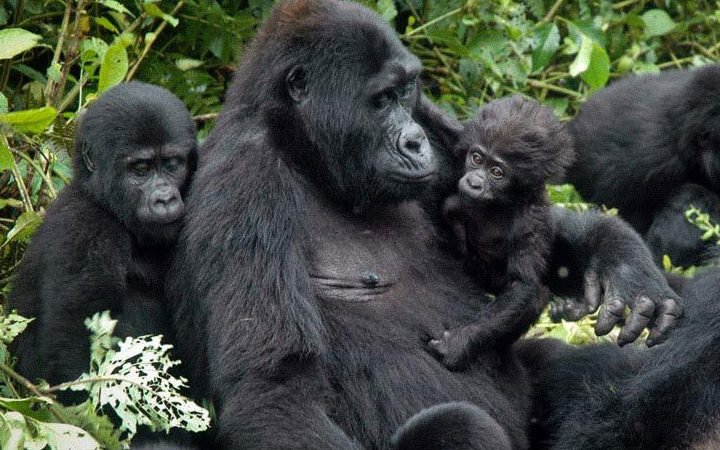
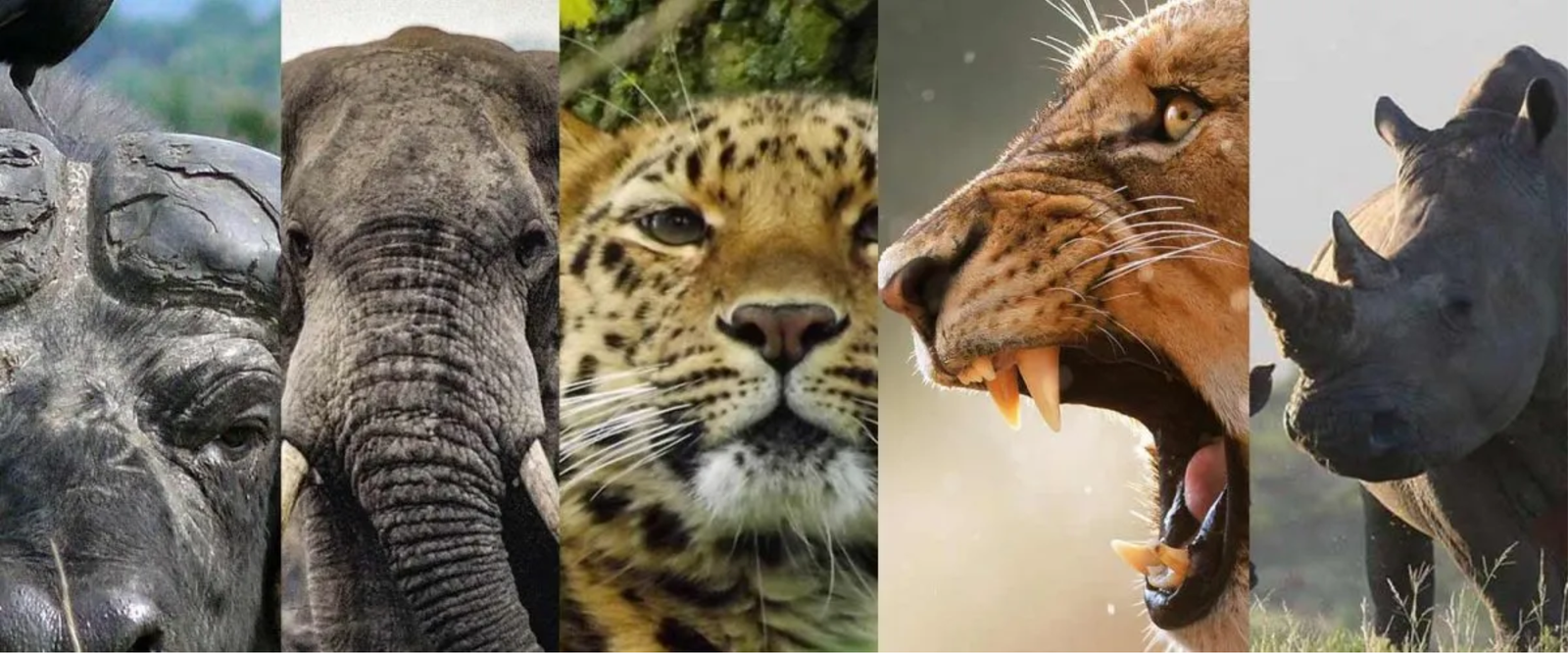
Uganda is considered by many safari enthusiasts to be Africa's best-kept secret. It is the only country in the world where mountain gorillas, chimpanzees, the Big Five, and over 1,000 bird species are all found within a single itinerary. Furthermore, Uganda's gorilla permits are priced at $800 — compared to $1,500 in neighbouring Rwanda — making the same life-changing encounter available at a significantly lower price.
Additionally, Uganda safari deals are generally estimated to be 30–40% cheaper than comparable experiences in Kenya or Tanzania, meaning more value is received for every dollar that is spent.
Safari Budget Tiers at a Glance
Before individual costs are examined, it is helpful to understand the three main tiers through which Uganda wildlife safaris are typically offered.
A complete 7–10 day safari is generally priced at $1,500–$2,800 (budget), $3,000–$5,000 (mid-range), or $6,000–$12,000+ (luxury) per person — excluding international flights.
Permit Costs: Gorilla, Chimp & More
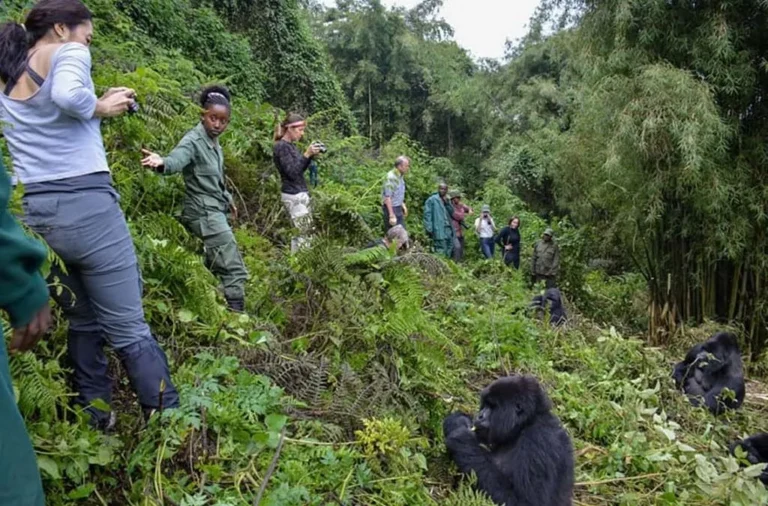
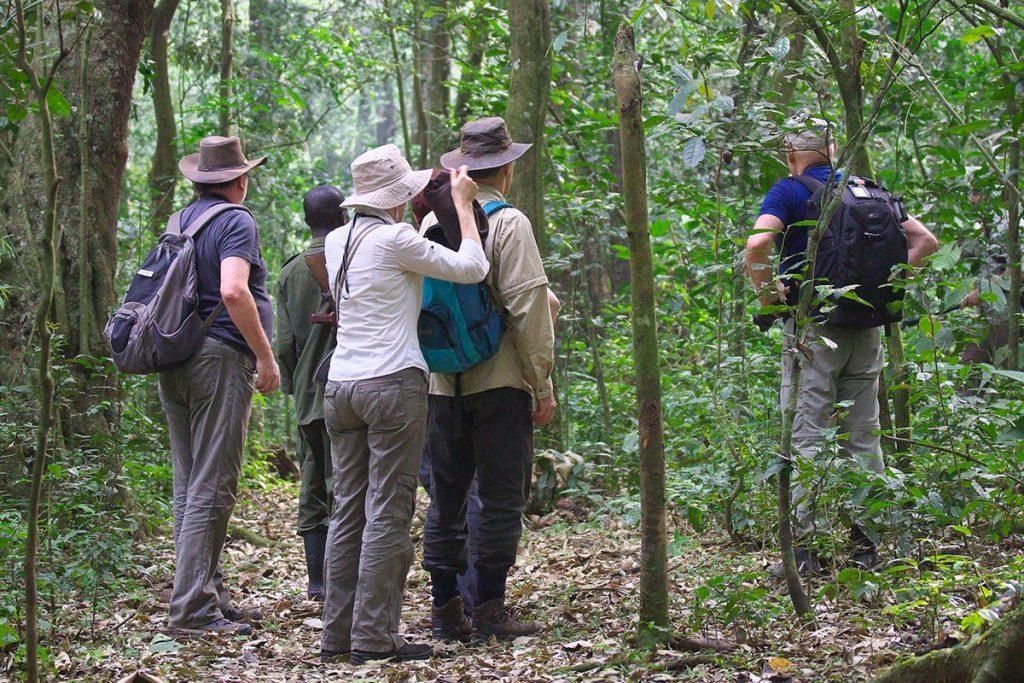
Primate permits are often considered the single largest fixed expense on any Uganda wildlife safari. These fees are set by the Uganda Wildlife Authority (UWA) and are non-negotiable. It is strongly recommended that permits be secured 6–12 months in advance, as daily quotas are strictly enforced.
| Activity | Park | Cost (2026) | Notes |
|---|---|---|---|
| Mountain gorilla trekking | Bwindi / Mgahinga | $800 | 1 hour with gorilla family; 8 people per group |
| Gorilla habituation experience | Bwindi (select sectors) | $1,500 | 4 hours; only 4 people per day |
| Chimpanzee tracking | Kibale Forest | $250 | 1 hour with habituated chimp community |
| Chimp habituation experience | Kibale Forest | $300 | Full day; highly immersive encounter |
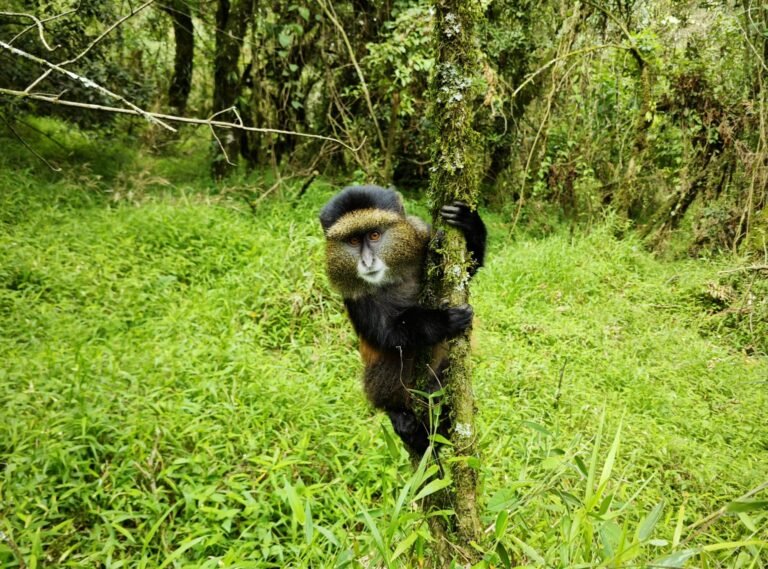
| Golden monkey trekking | Mgahinga | $100 | Excellent value; less crowded |
| Rhino tracking | Ziwa Rhino Sanctuary | $70 | $50 tracking + $20 sanctuary entry |
Group tours can result in savings of 30–40% compared to private safaris. If a 7-day Budget Group Safari package priced around $1,999 is chosen, it often includes the gorilla permit, making it one of the most cost-effective options available.
Accommodation Costs by Category
Accommodation choices are understood to shape the safari budget significantly at Uganda Ltd. Lodges located inside or directly adjacent to national parks carry higher price points — but the exclusive wildlife access they offer is considered well worth it by most guests.
| Category | Cost per night | What's included |
|---|---|---|
| Budget lodge / tented camp | $80–$150 | Basic rooms, full-board meals, shared facilities |
| Mid-range lodge | $150–$350 | Comfortable rooms, good food, competent guiding |
| Luxury lodge | $500–$1,500+ | En-suite rooms, gourmet dining, private guides, exclusive experiences |
| Ultra-luxury (e.g. Gorilla Forest Camp) | $1,200+ | Butler service, private vehicle, forest-edge location |
Drinks are typically excluded even from "full-board" packages at mid-range properties. Refreshments purchased at a local supermarket in Fort Portal or Kasese before entering the park can save an estimated $200 over a 10-day safari.
Transport and Getting Around
Transport is one of the most underestimated costs on a Uganda wildlife safari. Uganda's terrain means that distances often take longer to cover than travellers initially expect. Two main transport options are available: road and air.
| Transport type | Estimated cost |
|---|---|
| Private 4×4 safari vehicle with driver-guide | $150–$250/day |
| Road transfers (shared) | $70–$150/day + fuel |
| Domestic flight (one way) | $290–$450/person |
| Domestic flight (round trip) | $460–$1,000/person |
It is worth noting that most organised safari packages include ground transportation as standard. Private 4×4 vehicles with pop-up roofs are most commonly used for wildlife viewing. Domestic flights are recommended for longer itineraries where time is valuable, particularly when travel is planned between Bwindi and Murchison Falls.
A "circuit safari" that begins in Entebbe and ends in Kigali (Rwanda) is highly recommended. The gorilla permit cost remains the same, but 8–10 hours of backtracking drive time is eliminated, which meaningfully reduces fuel surcharges and driver-guide fees.
Park Entrance Fees
Separate park entrance fees are charged per person for every 24-hour period spent inside a national park. These fees are set by the Uganda Wildlife Authority and are typically bundled into organised package tours.
Bwindi Impenetrable Forest
Home to more than half the world's remaining mountain gorillas
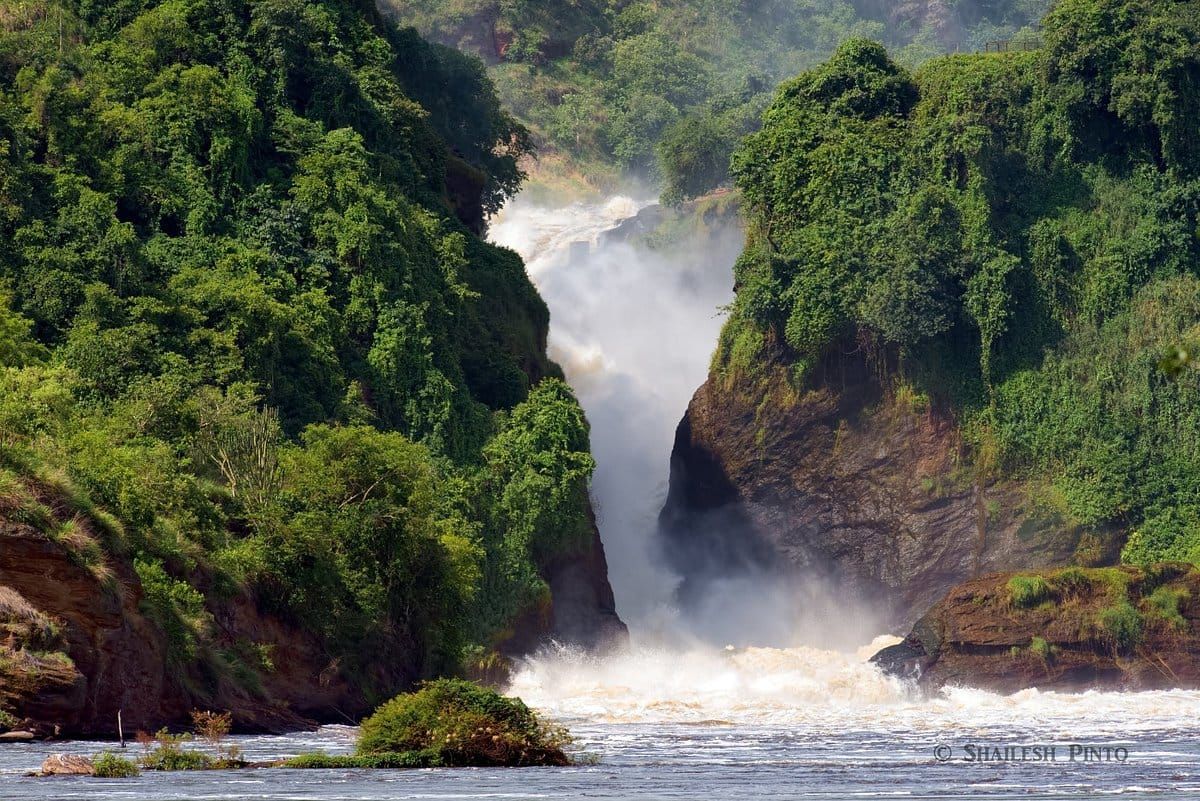
~$40/dayMurchison Falls N.P.
Uganda's largest park; spectacular Nile falls and savannah game drives
$45/dayQueen Elizabeth N.P.
Famous for tree-climbing lions and the Kazinga Channel boat cruise
$40/dayKibale Forest N.P.
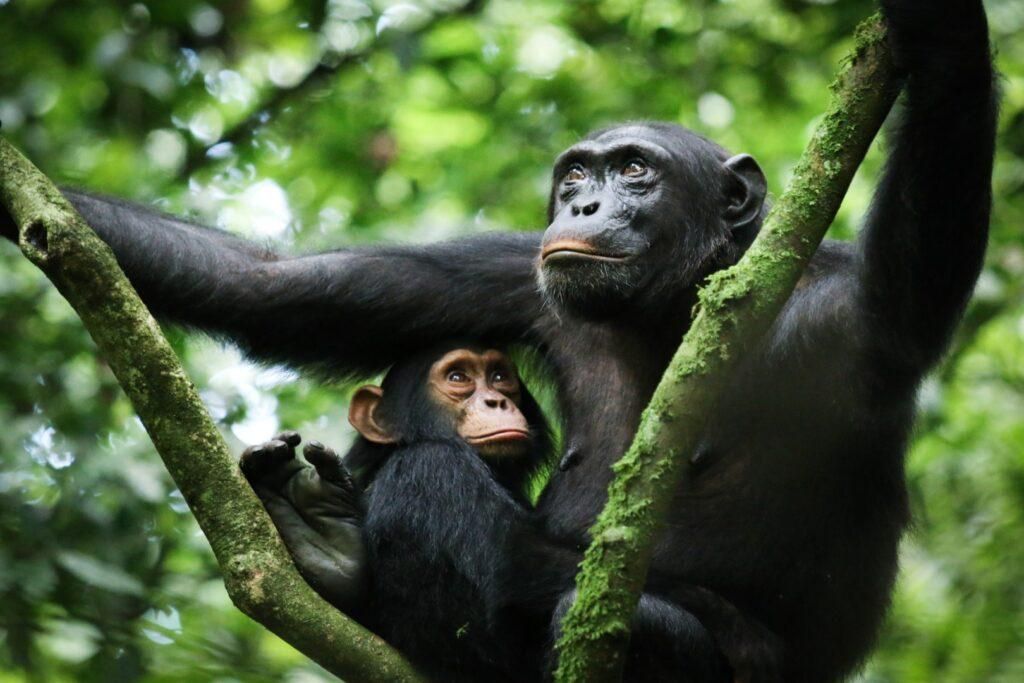
The primate capital of the world — ~1,000 chimpanzees reside here
~$40/dayLake Mburo N.P.
Zebras, buffaloes, hippos — Uganda's most accessible savannah park
$35/dayKidepo Valley N.P.
Remote wilderness; 77 mammal species and 463 bird species recorded
~$40/day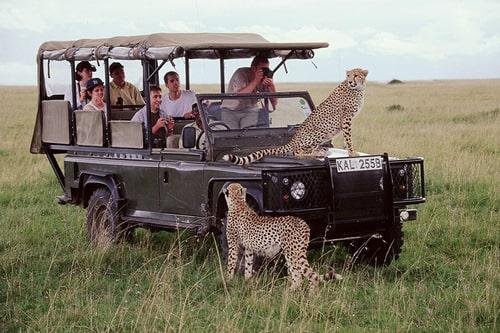
Best Time to Visit and How It Affects Cost
Seasonality is one of the key factors that influences the overall cost of a Uganda wildlife safari. Prices are typically elevated during dry-season peak periods, when wildlife viewing conditions are at their finest and demand is highest.
Peak season (higher prices)
June–September and December–February. Dry roads, excellent game drives, clearer forest trails for gorilla and chimp trekking. Advance booking is essential.
Low / shoulder season (savings available)
March–May and late October–November. Many lodges offer 10–15% discounts. Lush green landscapes and far fewer visitors. Some trails may be muddier.
Good news: Gorilla trekking and chimpanzee tracking are offered year-round in Uganda, regardless of season — meaning a budget-friendly visit during the low season does not mean missing out on Uganda's most iconic experiences.
Sample Trip Budgets
To make budgeting as practical as possible, sample cost breakdowns have been put together for three common trip styles. All prices shown are per person estimates and exclude international airfare.
Budget: 5-day gorilla safari
| Item | Cost |
|---|---|
| Gorilla trekking permit (1 trek) | $800 |
| Accommodation — 4 nights budget lodge | ~$480 |
| Shared transport | ~$200 |
| Park fees (Bwindi) | ~$160 |
| Meals (non-lodge days) | ~$60 |
| Estimated total | ~$1,700 |
Mid-range: 7-day gorilla + wildlife combo
| Item | Cost |
|---|---|
| Gorilla trekking permit (1 trek) | $800 |
| Chimpanzee permit (Kibale) | $250 |
| Accommodation — 6 nights mid-range lodge | ~$1,500 |
| Private 4×4 vehicle with guide | ~$1,200 |
| Park fees (3 parks) | ~$330 |
| Estimated total | ~$4,080 |
Money-Saving Tips for Your Uganda Safari
Several smart strategies are regularly shared with guests at Uganda Ltd to help maximise the value of every dollar that is invested in a Uganda wildlife safari.
Book early. Gorilla permits are limited to around 192 per day across Bwindi's sectors. Booking 6–12 months in advance not only guarantees availability — early-bird discounts of 15–20% are sometimes unlocked through operators as well.
Choose shoulder season dates. A visit in late May, early June, or November still offers good wildlife viewing and gorilla trekking conditions, while rates at many lodges are typically 10–15% lower than peak season pricing.
Travel as part of a group. Group safari packages consistently cost 30–40% less than private tours. Solo travellers and couples particularly benefit from shared departure group safaris.
Combine multiple parks. Longer itineraries reduce the effective daily cost of transport and guide fees, even as the overall trip budget increases. A 10-day circuit safari that visits Bwindi, Kibale, and Queen Elizabeth is often found to deliver far better value than three separate shorter trips.
Watch what you drink at lodges. Beverages are typically excluded from full-board packages. A noticeable saving is frequently made by stocking up on drinks at supermarkets in Fort Portal or Kasese before reaching remote parks.
Frequently Asked Questions
Ready to Plan Your Wildlife Safari?
Your perfect Uganda safari is waiting. Let the team at Uganda Ltd build a tailored itinerary — whether budget, mid-range, or luxury — for an experience that will stay with you for life.
Get Your Free Safari Quote →