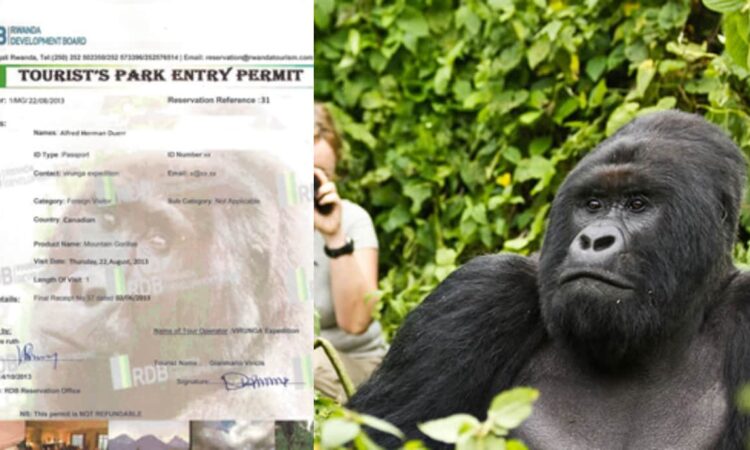
Is Gorilla Trekking Dangerous?
Is Gorilla Trekking Dangerous? is a question that naturally crosses the mind of anyone planning an African primate safari. The thought of hiking into dense rainforests to stand meters away from a massive silverback gorilla can seem intimidating. However, the reality of gorilla trekking in Uganda and Rwanda is far safer than most travelers imagine.
Uganda is widely known for its well-managed and secure gorilla trekking experiences, while Rwanda equally maintains world-class safety and guiding standards. Because strict conservation rules and professional ranger protocols are in place, gorilla trekking is considered one of the safest wildlife adventures on the continent. This feeling of safety is not accidental but the result of decades of habituation, training, and respect for these endangered primates.
This guide answers the question “Is gorilla trekking dangerous?” in detail, covering gorilla behavior, real risks, safety rules, terrain challenges, and why this experience is ultimately safe and deeply rewarding.
1. Why People Think Gorilla Trekking Is Dangerous
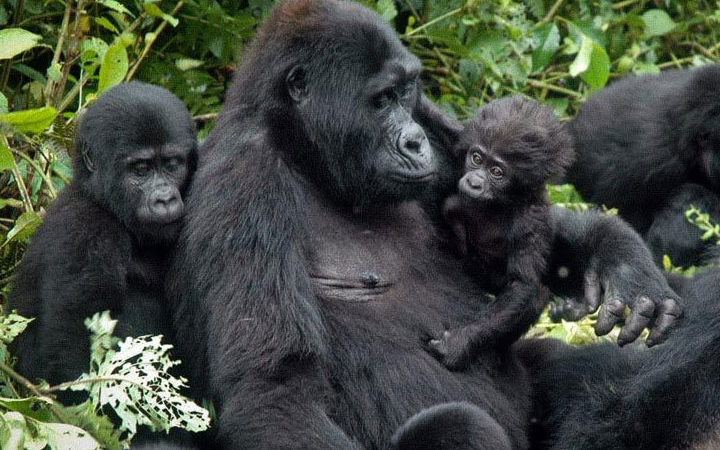
Many travelers imagine standing just a few meters away from a giant silverback gorilla weighing over 180 kilograms. Naturally, that image can feel intimidating. Popular media often portrays gorillas as aggressive beasts, but this could not be further from the truth for the habituated mountain gorillas of Uganda’s Bwindi Impenetrable National Park and Mgahinga Gorilla National Park.
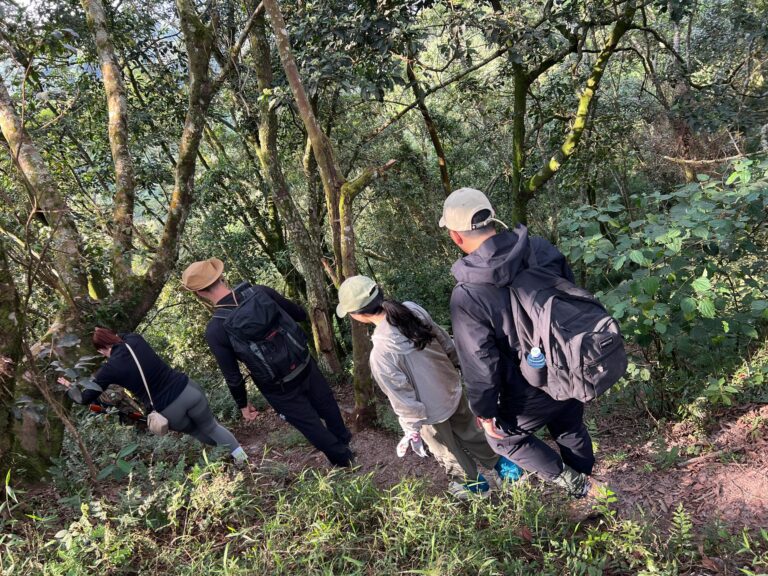
Moreover, gorilla trekking takes place in remote forests with steep, muddy, and challenging terrain. This physical environment contributes to a sense of vulnerability. Because of this, it is understandable why some people worry about safety. However, mountain gorillas are gentle, family-oriented primates that rarely show aggression toward humans when respected.
| Common Concern | Reality |
|---|---|
| Gorilla Aggression | Extremely rare; gorillas are habituated and peaceful |
| Physical Danger | More risk from slippery trails than from the animals |
| Disease Transmission | Strict 7-meter rule and health checks protect both parties |
| Getting Lost | Armed rangers and trackers guide every group |
Understanding Mountain Gorilla Temperament
- Mountain gorillas are gentle giants that spend most of their day eating and resting.
- Habituated families are used to human presence after years of careful conditioning.
- Aggression is a last resort and usually only a bluff charge if a gorilla feels threatened.
2. How Safe Is Gorilla Trekking in Uganda and Rwanda?
Gorilla trekking is one of the safest wildlife activities available when conducted under the regulations of the Uganda Wildlife Authority and Rwanda Development Board. Every trek begins with a mandatory safety briefing where visitors learn the rules of conduct.
An essential safety element is the presence of armed ranger guides and trackers. These professionals carry firearms not because of gorilla threats, but as a precaution against forest elephants or buffalo. They also communicate with advance trackers to know exactly where a gorilla family is located, eliminating the risk of surprising them.
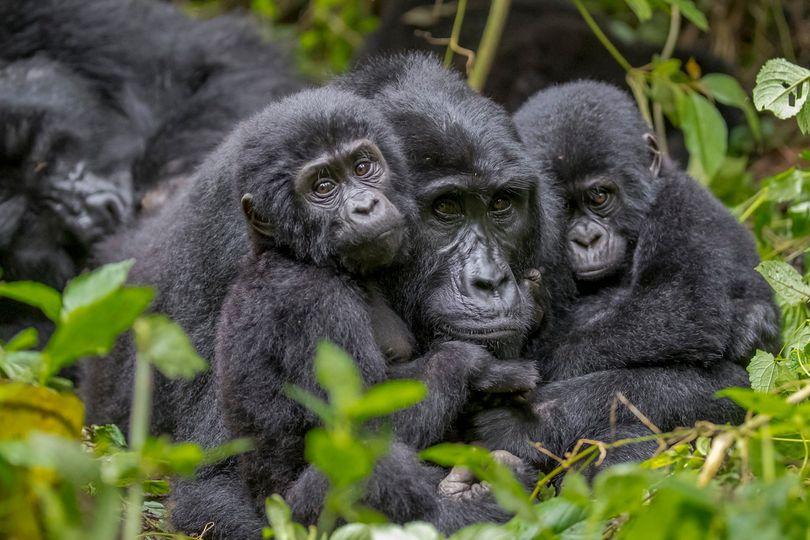
The deep trust between trackers and gorillas is the foundation of a safe encounter. Because the animals have been habituated over many years, they view the daily visits of small human groups as a neutral part of their environment.
| Safety Protocol | Purpose |
|---|---|
| 7-Meter Distance Rule | Minimize disease risk and stress to gorillas |
| Small Group Sizes (Max 8) | Reduce behavioral impact on the family |
| One Hour Viewing Limit | Prevents prolonged stress to the animals |
| Sick Visitors Prohibited | Protects gorillas from human diseases |
Key Safety Advantages
- Daily briefings prepare you physically and mentally for the trek.
- Armed guides manage wildlife encounters with wild animals that are not habituated.
- No tourist has ever been fatally attacked by a habituated mountain gorilla.
3. What Are the Real Risks of Gorilla Trekking?
Although gorillas themselves are not usually a threat, there are a few practical risks associated with hiking in a remote African rainforest. The most significant challenge is the terrain itself rather than the wildlife.
| Risk Factor | Uganda (Bwindi & Mgahinga) | How to Mitigate It |
|---|---|---|
| Slippery Trails | Common in rainy seasons | Sturdy hiking boots and a walking stick |
| Physical Exhaustion | Hikes can last 2–6 hours | Moderate fitness and porter support |
| Altitude Effects | More relevant in Mgahinga | Hydration and slow pacing |
| Insect Bites | Forest flies and ants present | Long trousers and insect repellent |
4. What Happens If a Gorilla Approaches You?
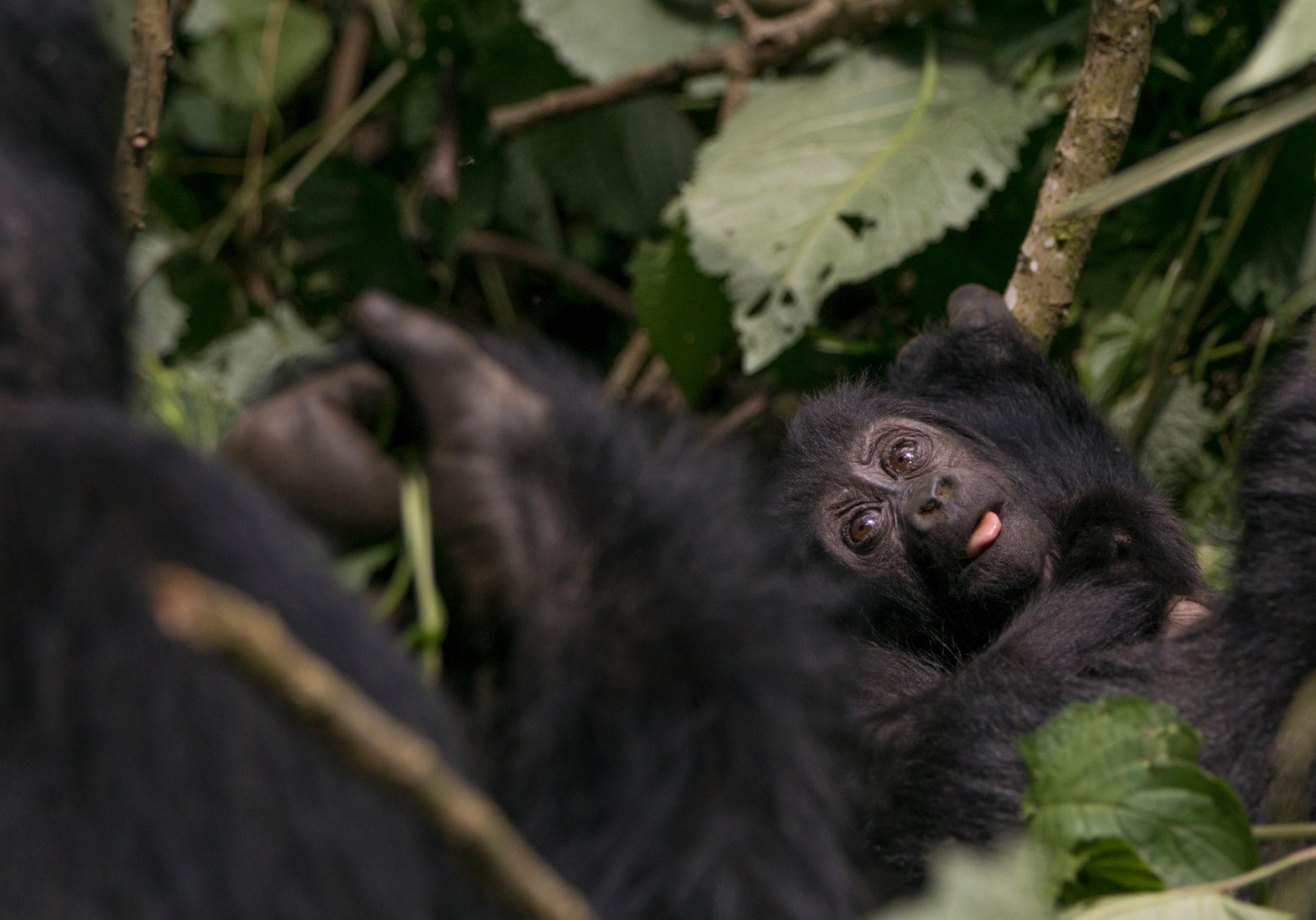
This is one of the most common questions travelers ask. Occasionally, a curious juvenile gorilla may approach visitors out of pure curiosity. However, this is completely normal and guides are trained to manage such situations.
If a gorilla comes close, your ranger will usually advise you to remain calm, avoid direct eye contact, and crouch down slowly. Do not try to touch the gorilla, even if it touches you. In most cases, the gorilla will simply observe you briefly before moving away, leaving you with an unbelievable story to tell.
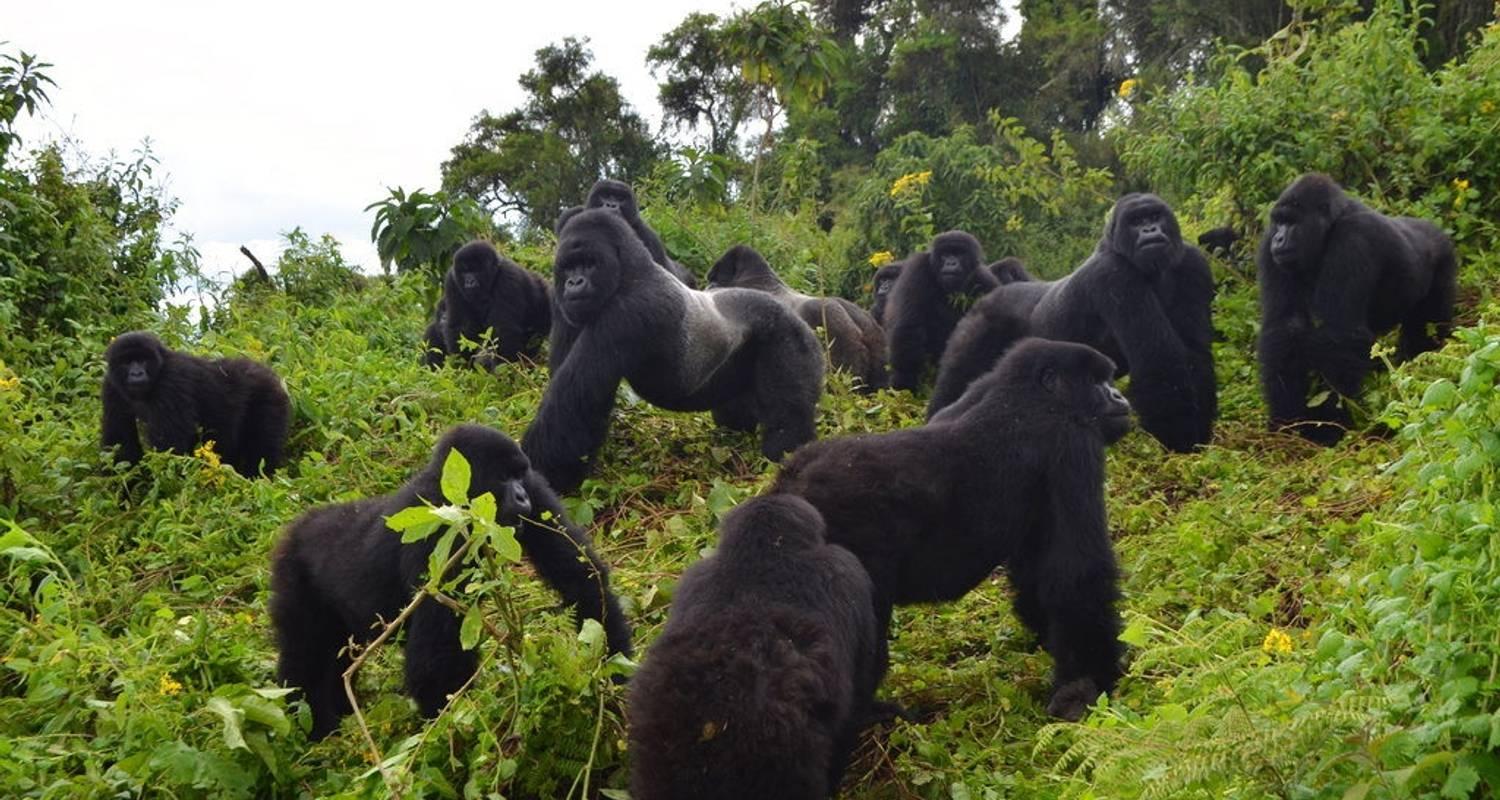
For the silverback, an approach is usually a bluff charge. If you follow the guide’s instructions to stay calm, the charge almost always stops short. Running or screaming is the worst reaction, as it can trigger a chase instinct.
Best Time for Safe and Easy Gorilla Trekking
Gorilla trekking is available year-round, but the dry seasons offer safer footing and easier hiking conditions. Trails are less muddy, reducing the chance of slipping.
| Season | Months | Safety Impact |
|---|---|---|
| Dry Season | June – September | Easiest trails, lowest slip risk |
| Short Dry Season | December – February | Good visibility and firm ground |
| Rainy Season | March – May & October – November | Slippery but manageable with porters |
Frequently Asked Questions
Are gorillas aggressive to humans during trekking?
No, gorillas are not aggressive during trekking. The habituated families are used to human presence, and guides ensure visitors follow behavior rules to keep the interaction calm and safe.
What is the most dangerous part of gorilla trekking?
The most dangerous part is usually the challenging terrain. Steep slopes and muddy paths present a higher risk of falling than any interaction with the gorillas themselves.
Can I do gorilla trekking if I am not physically fit?
Yes. While a moderate fitness level helps, you can hire a local porter to assist you through difficult sections, making the trek accessible for most people.
Why are rangers armed during gorilla trekking?
Rangers are armed to protect visitors from wild forest animals like elephants or buffalo, not from the gorillas. Guns are a safety precaution for the broader forest environment.
Our Final Verdict: Is Gorilla Trekking Dangerous?
The answer is a firm no. Gorilla trekking is one of the safest wildlife experiences available when conducted under official regulations and guided by experienced professionals. While Uganda and Rwanda’s forests are wild and the terrain can be demanding, the gorillas themselves are peaceful, the guides are highly trained, and strict safety measures are always followed.
Therefore, if you are considering a safari in Africa, you can confidently add gorilla trekking to your bucket list. The experience is not only safe but also one of the most life-changing wildlife encounters on Earth, bringing you face-to-face with nature in a way that few journeys can.