Tree Climbing Lions Africa’s Most Fascinating Wildlife Mystery
Tree-climbing lions are among the most unique wildlife spectacles in Africa. Lions are known as kings of the savannah. However, climbing trees is not considered typical lion behavior.
In most parts of Africa, lions are seen resting on the ground. They are usually observed under acacia trees or in tall grass. However, in a few rare locations, something unusual happens.
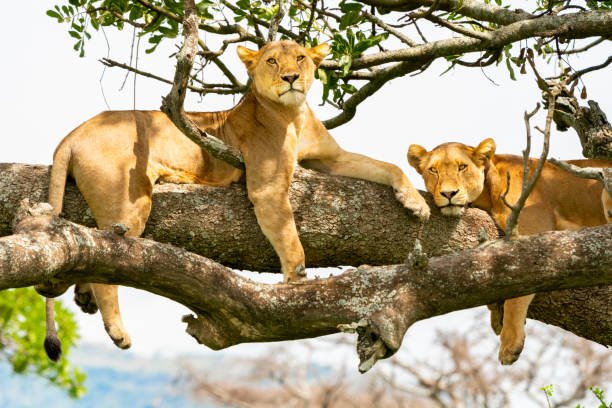
Lions are regularly seen resting high up in trees.
This behavior has fascinated scientists and travelers for decades. Therefore, tree-climbing lions have become a must-see attraction on African safaris.
Where Are Tree Climbing Lions Found in Africa?
Tree-climbing lions are not found everywhere. In fact, they are only seen in a few specific regions.
The most famous destination is Queen Elizabeth National Park in Uganda. Within this park, the Ishasha Sector is globally known for this behavior.
Additionally, tree-climbing lions can also be found in Lake Manyara National Park in Tanzania.
These two destinations are considered the best places to observe tree-climbing lions in their natural habitat.
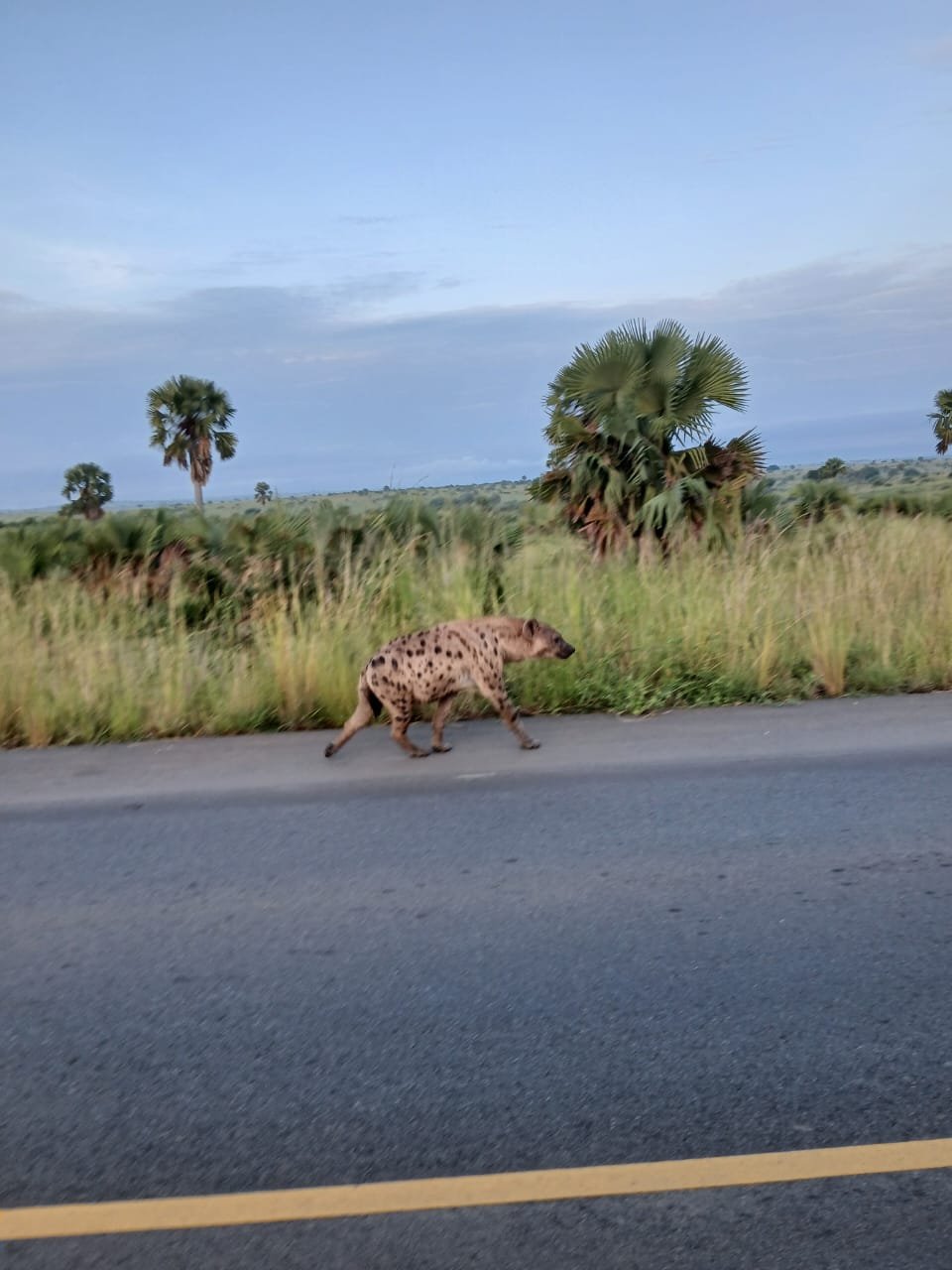
Because sightings are consistent, these locations are included in many safari itineraries.
Why Do Tree Climbing Lions Climb Trees?
The question of why lions climb trees has been widely studied. However, no single explanation has been confirmed.
Several theories have been suggested.
1. Escape from Heat and Insects
In hot savannah environments, temperatures can become extreme. Therefore, lions seek cooler areas.
Tree branches provide shade and airflow. In addition, insects such as tsetse flies are avoided at higher levels.
Because of this, lions are often seen resting during the hottest hours of the day.
2. Better View of Their Territory
From the ground, visibility can be limited. Tall grass can block their line of sight.
However, from a tree, a wider area can be observed. Prey movements can be detected more easily.
Therefore, tree-climbing lions may use trees as natural lookout points.
3. Learned Behavior
Another theory suggests that this behavior is learned. Cubs may observe adult lions climbing trees.
Over time, the behavior is passed down within specific prides.
This explains why tree-climbing lions are only found in certain regions.
4. Avoiding Ground Disturbance
In areas with buffalo or elephants, the ground can become busy. Therefore, lions may seek quieter resting places.
Trees offer safety and peace away from large animals.
The Ishasha Sector—Home of Tree Climbing Lions
The Ishasha Sector is the most famous location for tree-climbing lions.
This remote area is located in the southern part of Queen Elizabeth National Park.
The landscape is dominated by fig trees. These trees have strong branches, making climbing easier for lions.
Game drives in Ishasha are focused on searching for lions resting in trees. Sightings are often successful.
Because of its uniqueness, Ishasha has become a highlight of Uganda safaris.
Tree Climbing Lions in Lake Manyara
Another important destination is Lake Manyara National Park.
Here, tree-climbing lions are also observed. However, sightings are less predictable compared to Ishasha.
The park is known for its diverse ecosystem. Forests, lakes, and savannah are all found here.

Therefore, the experience is different but equally rewarding.
Best Time to See Tree Climbing Lions
The best time to see tree-climbing lions is during dry seasons.
These include:
- June to September
- December to February
During these months, wildlife is easier to locate. Roads are also more accessible.
However, sightings can occur throughout the year. Therefore, safaris can be planned at any time.
Early morning and late afternoon game drives offer the best chances.
Safari Experience—What to Expect
A safari to see tree-climbing lions is different from a typical game drive.
Guides use experience and tracking skills to locate lions. Vehicles move slowly through the savannah.
Once found, lions are often seen lying on branches. Some may even hang their legs down casually.
Photography opportunities are excellent. Unique angles can be captured.
Because of this, tree-climbing lions are popular among photographers.
Other Wildlife You Will See
While searching for tree-climbing lions, many other animals are encountered.
In Queen Elizabeth National Park, you may see:
- Elephants
- Buffaloes
- Antelopes
- Leopards
- Hippos
Birdlife is also abundant. Over 600 bird species have been recorded.
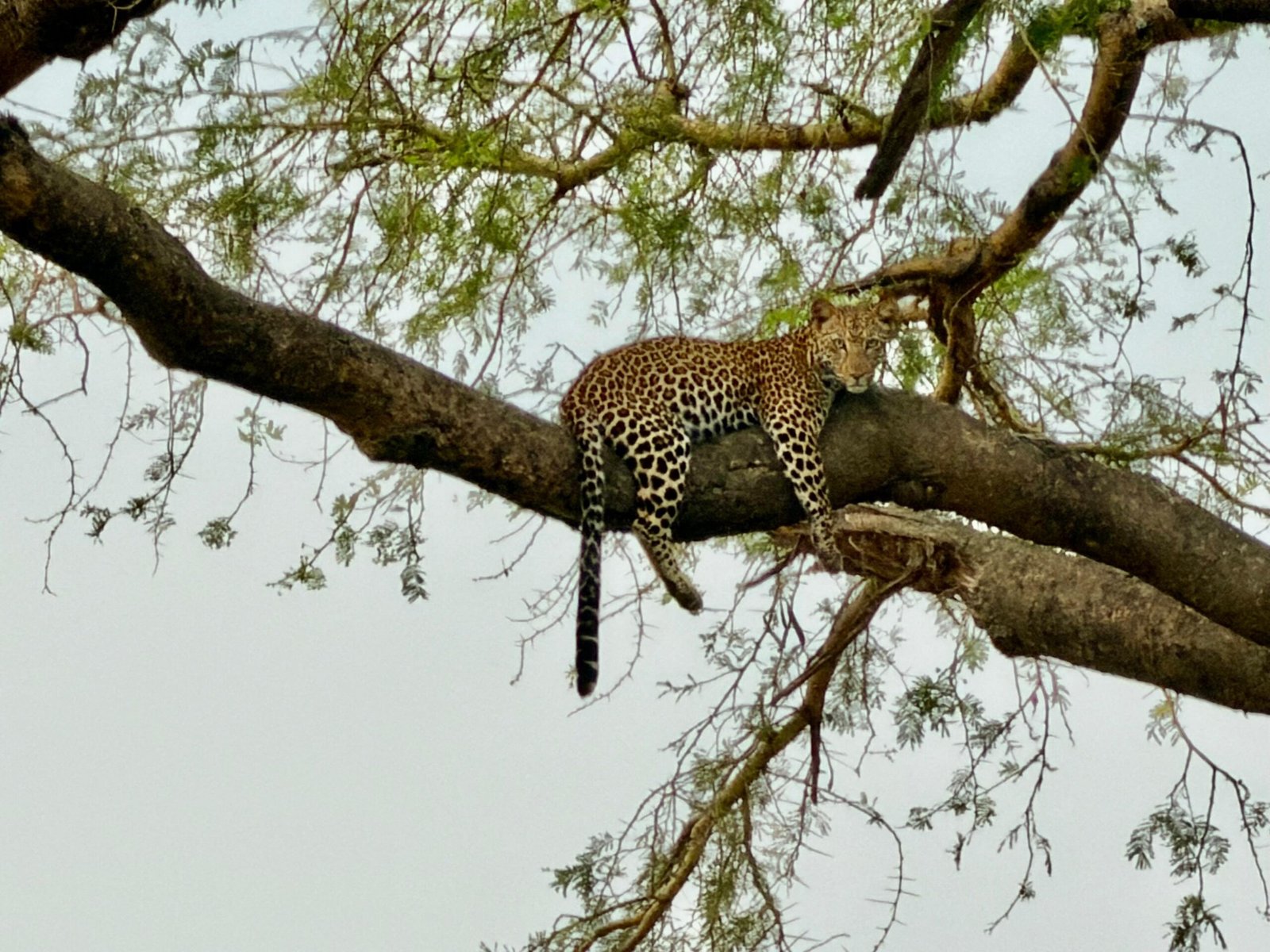
Therefore, the safari experience is rich and diverse.
Conservation of Tree Climbing Lions
Conservation efforts are important for protecting lions.
Habitat loss and human-wildlife conflict remain challenges. However, strong conservation programs are in place.
Organizations like the Uganda Wildlife Authority play a key role.
Tourism also supports conservation. Revenue from safaris is used to protect wildlife.
Therefore, visiting these destinations contributes to preservation efforts.
Tips for Seeing Tree Climbing Lions
To increase your chances of seeing lions on trees, consider these tips:
- Travel with experienced guides
- Visit known locations like Ishasha
- Be patient during game drives
- Bring binoculars and cameras
Additionally, flexible itineraries are recommended.
Why Lions Are a Must-See
Lions offer a rare and unforgettable experience. Their behavior is unusual and fascinating.
Unlike typical lions, they provide a different perspective of wildlife.
Therefore, they have become one of Africa’s most sought-after safari experiences.
Planning Your Tree Climbing Lions Safari
Planning is important when organizing a safari to see climbing lions.
At Berengei Africa Safaris, customized itineraries are created. Transport, accommodation, and guides are arranged.
Safaris can be combined with the following:
- Gorilla trekking
- Chimpanzee tracking
- Cultural experiences
Therefore, a complete East African safari can be designed.
FAQs About Tree Climbing Lions
Are climbing lions common?
No, they are rare and found in limited locations.
Do all lions climb trees?
No, only certain prides have learned this behavior.
Is it safe to see them?
Yes, safaris are conducted with trained guides.
Which country is best to see them?
Uganda offers the most reliable sightings.
Book Your Tree Climbing Lions Safari
A safari to see lions is a once-in-a-lifetime experience. Unique wildlife behavior is observed up close.
Uganda and Tanzania offer the best opportunities. Professional guides ensure successful sightings.
Contact Berengei Africa Safaris today. Let your adventure begin with Africa’s most fascinating lions.