Skip to content
How to prepare for a safari is one of the most common questions asked by travelers planning their first wildlife adventure in Africa.
A safari is not just another holiday. Instead, it is an immersive experience where nature, wildlife, and culture come together in extraordinary ways. Because of this, proper preparation should be done to ensure that the journey is smooth, comfortable, and memorable.
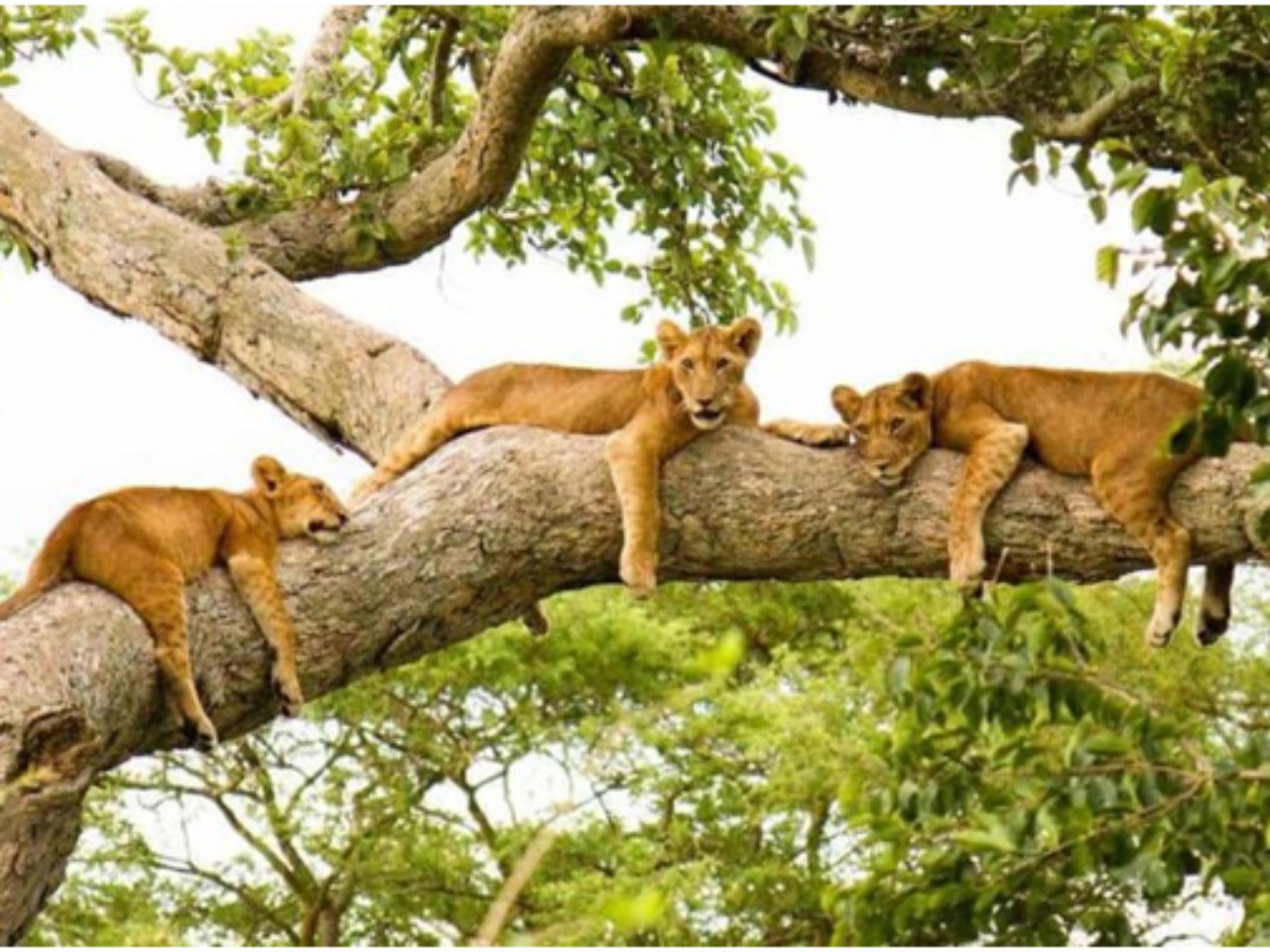
Across East Africa, safari experiences are offered in iconic destinations such as Serengeti National Park, Maasai Mara National Reserve, Bwindi Impenetrable National Park, and Queen Elizabeth National Park.
Each of these places offers incredible wildlife encounters, from gorilla trekking to classic game drives across vast savannas.
However, in order to fully enjoy these experiences, a few important preparations should be made before the trip begins.
Understand the Type of Safari You Are Taking
Before anything else, the type of safari being booked should be clearly understood. Different safaris require different preparations.
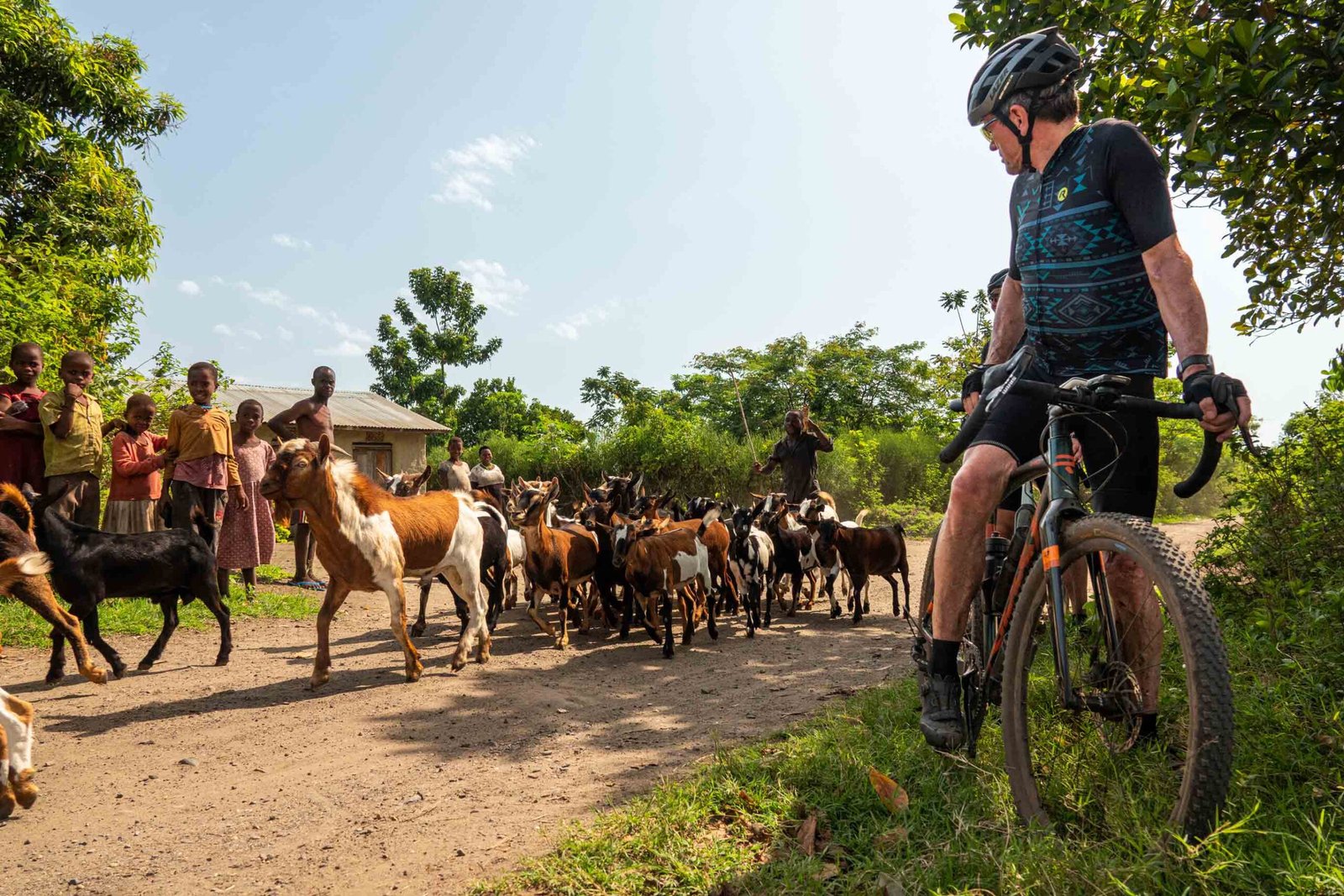
For example, a wildlife safari in Murchison Falls National Park usually involves game drives, boat safaris, and guided nature walks. On the other hand, gorilla trekking in Bwindi Impenetrable National Park requires hiking through dense forest terrain.
Because of this difference, travelers should prepare physically and mentally for the activities included in their itinerary. Comfortable walking shoes may be required for trekking, while light clothing may be more suitable for open savanna game drives.
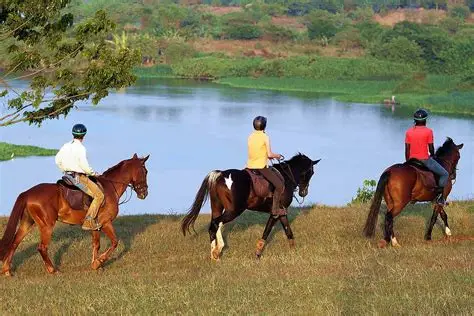
For instance, someone visiting Lake Mburo National Park may participate in walking safaris or horseback safaris, which means mobility and flexibility are important.
Pack the Right Clothing for Safari Conditions
Packing wisely is an essential part of learning how to prepare for a safari. Weather conditions in East Africa can vary between warm afternoons and cooler mornings. Therefore, layered clothing is often recommended.
Neutral-colored clothing such as khaki, green, and brown should be chosen because these colors blend well with the natural environment and do not disturb wildlife. Bright colors, however, should be avoided because animals may become alert when unusual colors appear in their habitat.
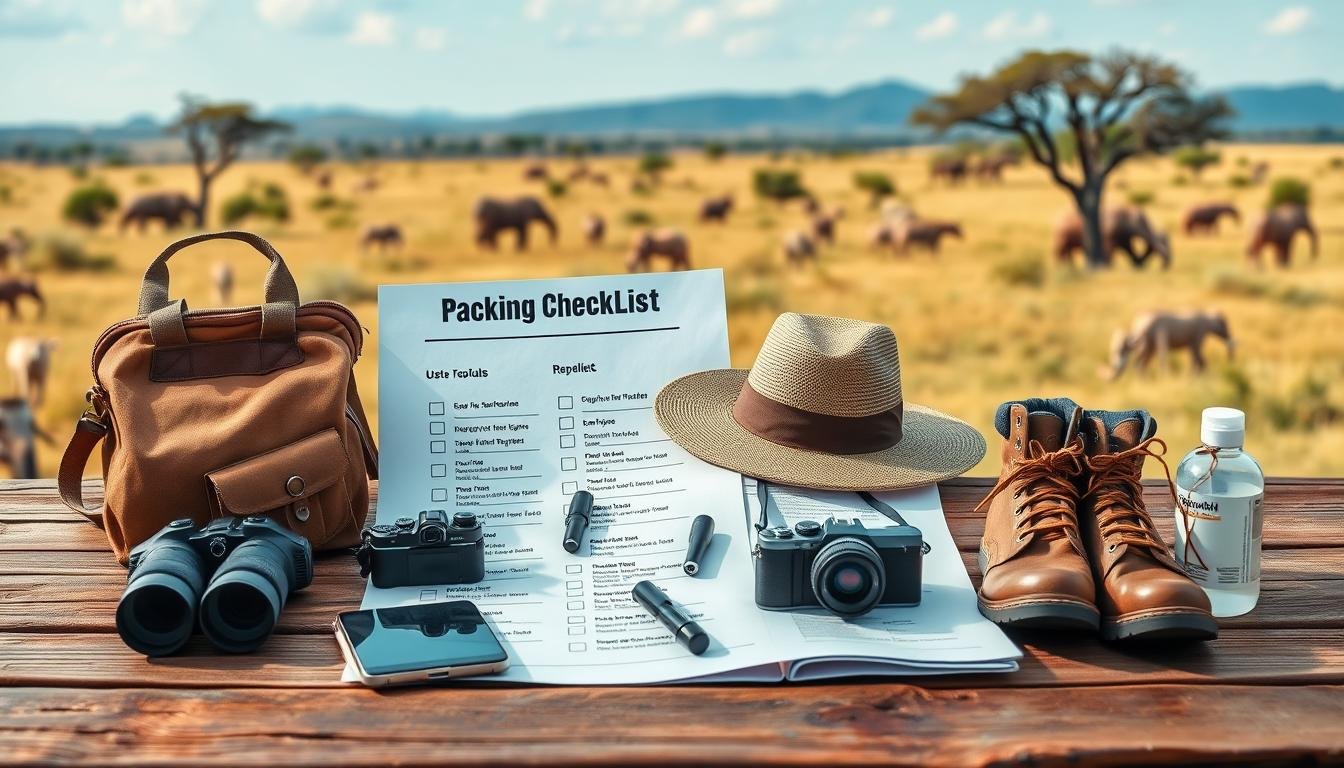
In addition, the following items should be packed:
Lightweight long-sleeved shirts to protect against sun and insects.
Comfortable trousers suitable for walking or climbing.
A wide-brimmed hat for sun protection.
Sunglasses and sunscreen.
A light jacket for early morning game drives.
For example, morning safaris in Serengeti National Park can be surprisingly chilly before the sun rises over the savanna.
Prepare Travel Documents and Health Requirements
Another important step in learning how to prepare for a safari is organizing travel documents well in advance.
Travelers visiting Uganda or neighboring countries should ensure that:
A valid passport is held.
A tourist visa has been obtained where necessary.
Vaccination requirements are met.
For example, visitors traveling to Uganda are often required to show proof of yellow fever vaccination. In addition, malaria prevention medication may be recommended depending on travel plans.
Travel insurance should also be arranged. Because safari activities sometimes take place in remote areas, it is always wise for travelers to be properly covered.
Bring Essential Safari Gear
While many safari lodges provide basic amenities, bringing a few personal items can significantly enhance the experience.
Essential safari gear often includes:
A good pair of binoculars for wildlife viewing.
A quality camera with extra batteries.
A reusable water bottle.
A small backpack for day trips.
Insect repellent.
For example, spotting wildlife from a distance in Kruger National Park or the plains of Serengeti National Park becomes much more exciting when binoculars are available.
Because animals sometimes appear far away during game drives, these tools can make a big difference in the overall safari experience.
Learn Basic Safari Etiquette
Safari etiquette should also be understood before traveling. Wildlife environments are fragile, and respectful behavior is always expected.
During game drives, visitors are usually advised to remain quiet and calm. Loud noises can disturb animals or even cause them to retreat into hiding.
In addition, instructions given by guides should always be followed. Professional safari guides are trained to understand animal behavior and ensure that visitors remain safe during encounters.
For example, while observing elephants in Queen Elizabeth National Park, maintaining distance is important because these powerful animals can become defensive if they feel threatened.
Stay Flexible and Enjoy the Experience
Although planning is important, flexibility should also be embraced during a safari. Wildlife sightings cannot be guaranteed because animals move freely in their natural habitat.
However, this unpredictability is exactly what makes safari adventures so exciting.
For instance, a traveler visiting Maasai Mara National Reserve may unexpectedly witness the dramatic river crossings of the wildebeest during the Great Migration. Moments like these often become the highlight of a safari journey.
Therefore, patience and curiosity should always be carried along with the camera and binoculars.
What should I pack for a safari?
Safari travelers should pack neutral-colored clothing, comfortable walking shoes, a hat, sunscreen, insect repellent, and binoculars for wildlife viewing.
When is the best time to go on safari?
The best time depends on the destination. However, dry seasons are often preferred because wildlife gathers near water sources, making animals easier to spot.
Are safaris safe for first-time travelers?
Yes. Safaris are generally very safe when organized by experienced tour operators and guided by professional safari guides.
Do I need to be very fit for a safari?
Not necessarily. Many safaris involve vehicle game drives, which require minimal physical effort. However, activities like gorilla trekking may require moderate fitness.
Plan Your Safari with Berengei Africa Safaris
Preparing well is the first step toward an unforgettable African adventure. At Berengei Africa Safaris, carefully designed safari experiences are offered across East Africa’s most breathtaking destinations.
Whether you dream of witnessing lions on the plains of the Serengeti, trekking with mountain gorillas in Bwindi, or cruising along the Nile in Murchison Falls, a journey can be tailored to match your travel style and interests.