 Skip to content
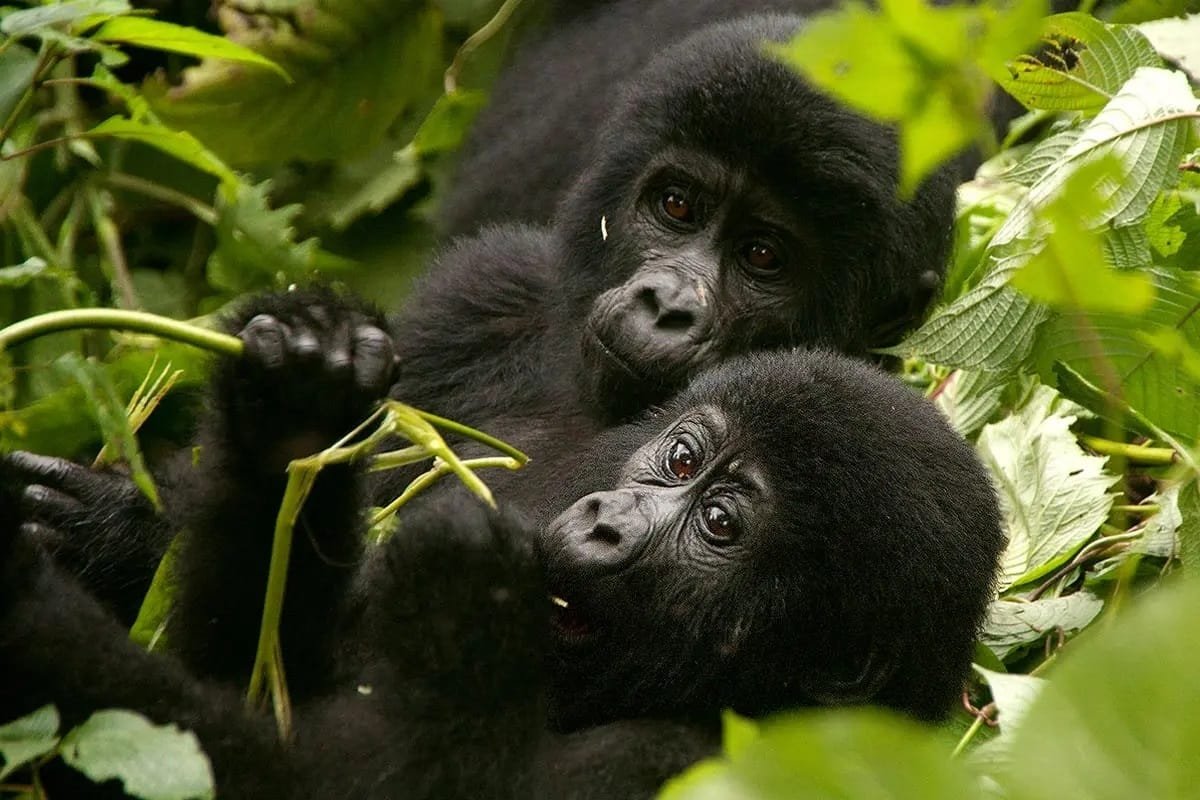
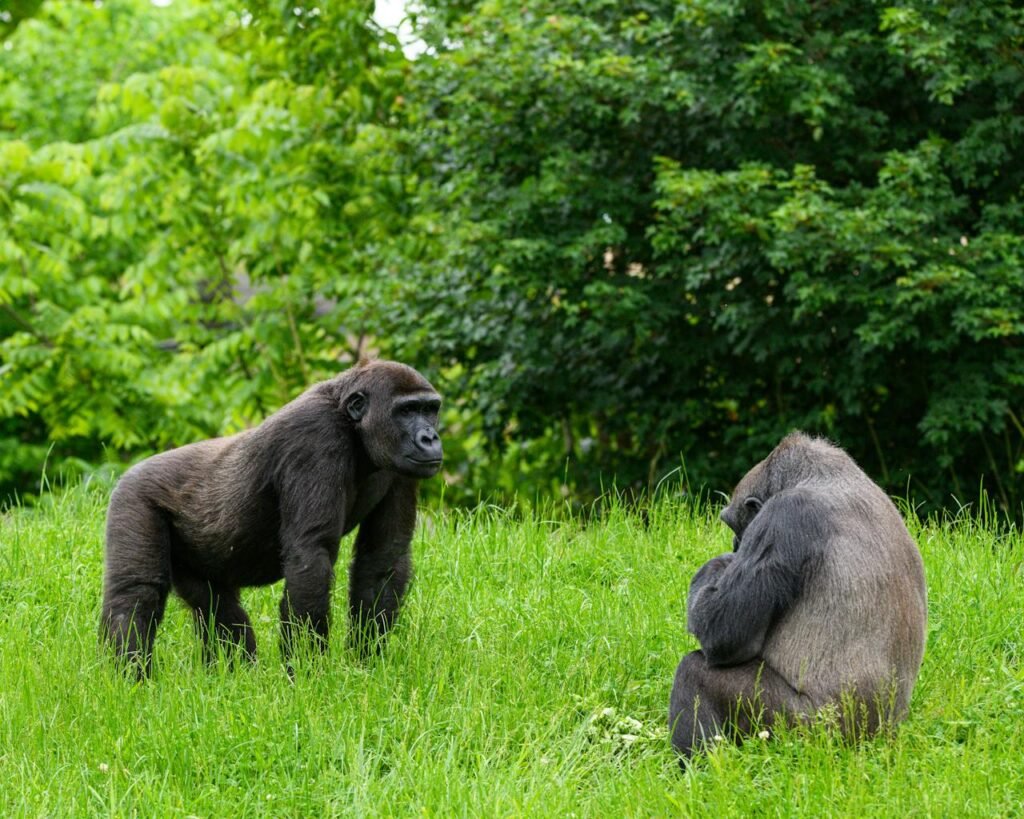
Gorilla trekking in Uganda is widely regarded as Africa’s most extraordinary and exclusive wildlife experience. Within the ancient rainforests of Bwindi Impenetrable National Park and Mgahinga Gorilla National Park, endangered mountain gorillas are carefully protected under internationally respected conservation frameworks. Through strictly regulated tourism, gorilla trekking in Uganda has been transformed into both a life-changing safari encounter and one of Africa’s greatest conservation success stories.
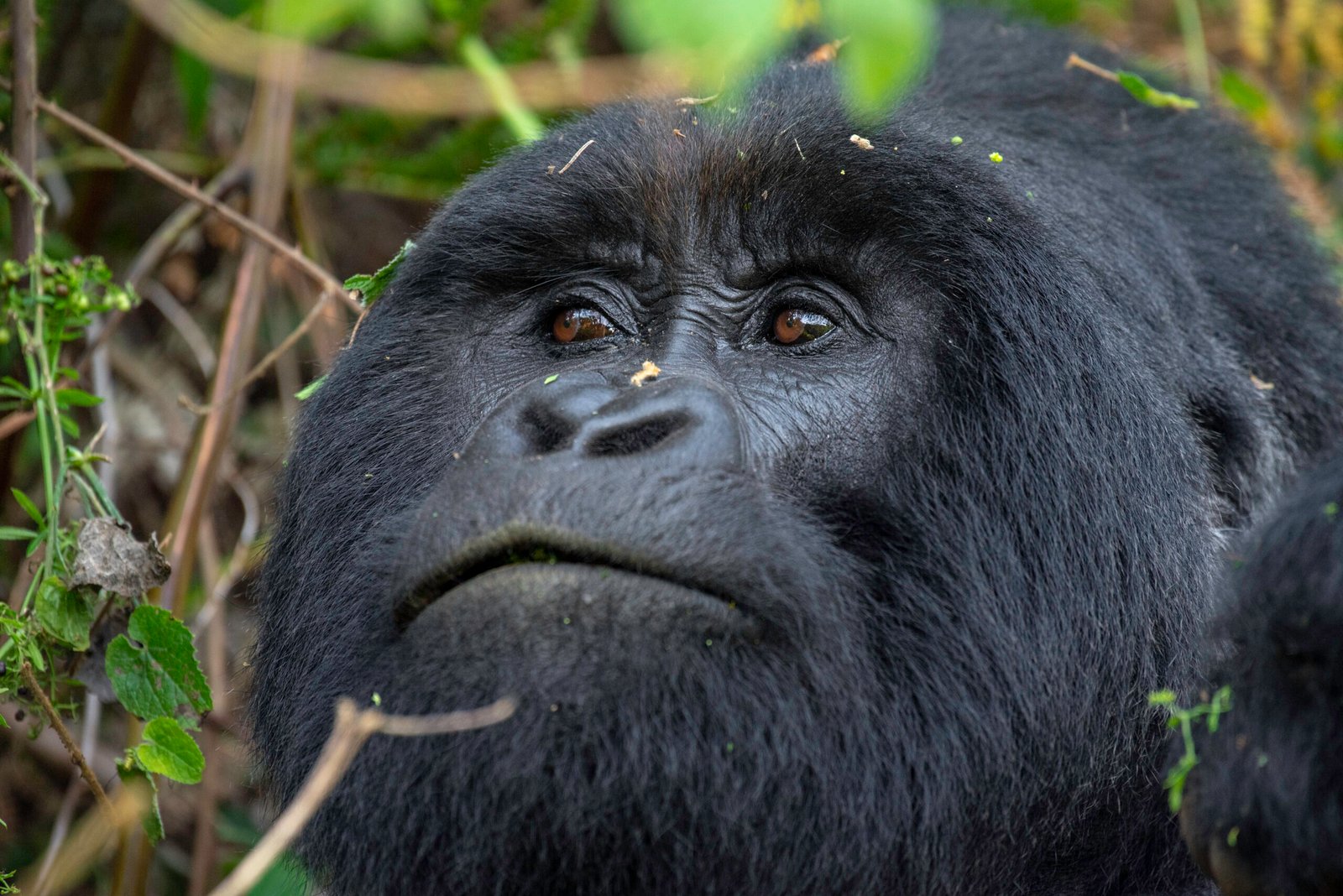
At Berengei Africa Tours, every gorilla safari is meticulously curated so that authenticity, luxury, and sustainability are seamlessly combined. When gorilla trekking in Uganda is professionally arranged, permits are secured in advance, premium lodges are selected with care, and all logistics are managed with precision. As a result, guests are allowed to focus entirely on the magic of the forest.
Why Gorilla Trekking Is Africa’s Finest Wildlife Encounter
Gorilla trekking in Uganda is highly sought after because more than half of the world’s remaining mountain gorillas are found within the country’s borders. Consequently, exceptional viewing opportunities are consistently provided.
Moreover, when gorilla trekking in Uganda is compared with similar experiences elsewhere in East Africa, remarkable value is recognized. Permits are currently priced at $800 per person, making Uganda significantly more accessible than neighboring destinations. Nevertheless, strict visitor limits are maintained, and the experience remains intimate and exclusive.
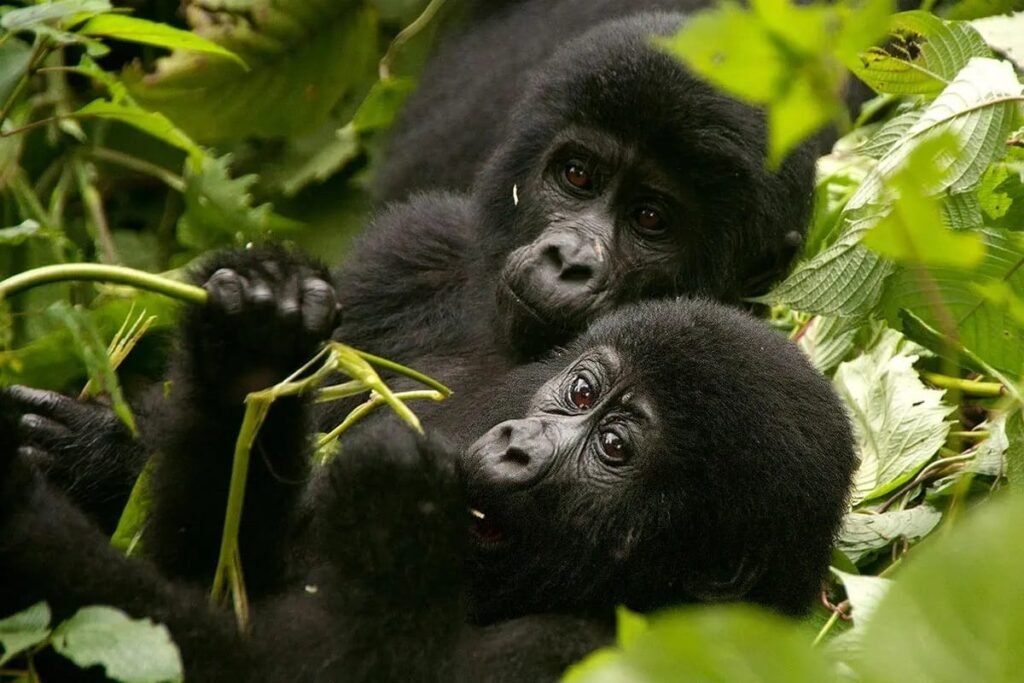
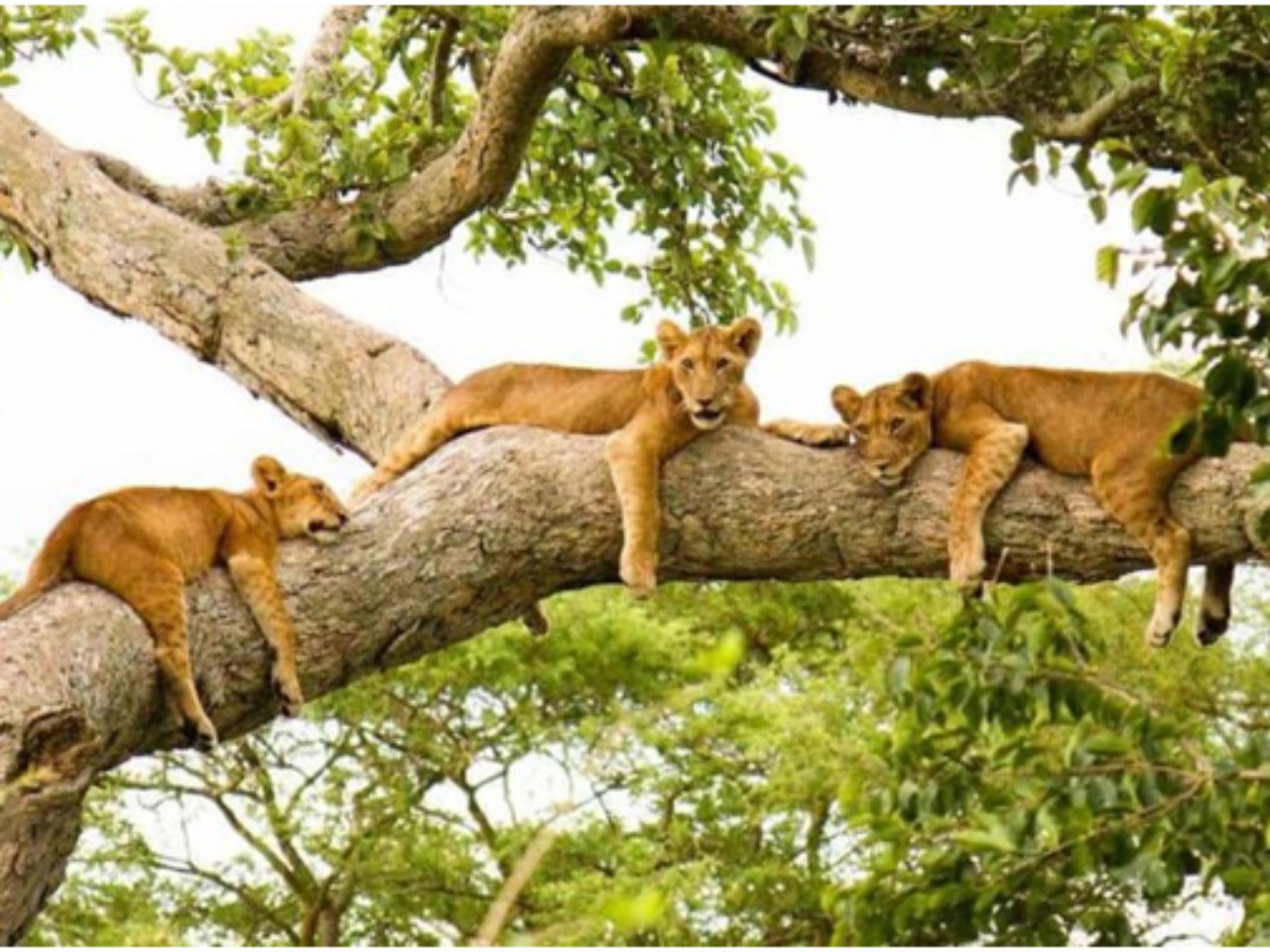
Additionally, gorilla trekking can effortlessly be combined with classic savanna safaris. Game drives in Queen Elizabeth National Park, Murchison Falls National Park, and Lake Mburo National Park may be incorporated into the same itinerary. Therefore, travelers are offered the rare opportunity to encounter both the Big Five and endangered mountain gorillas within one seamless journey.
How Gorilla Trekking Is Organized?
Gorilla trekking in Uganda is conducted under strict supervision by the Uganda Wildlife Authority. Because permit numbers are limited, advance booking is strongly recommended.
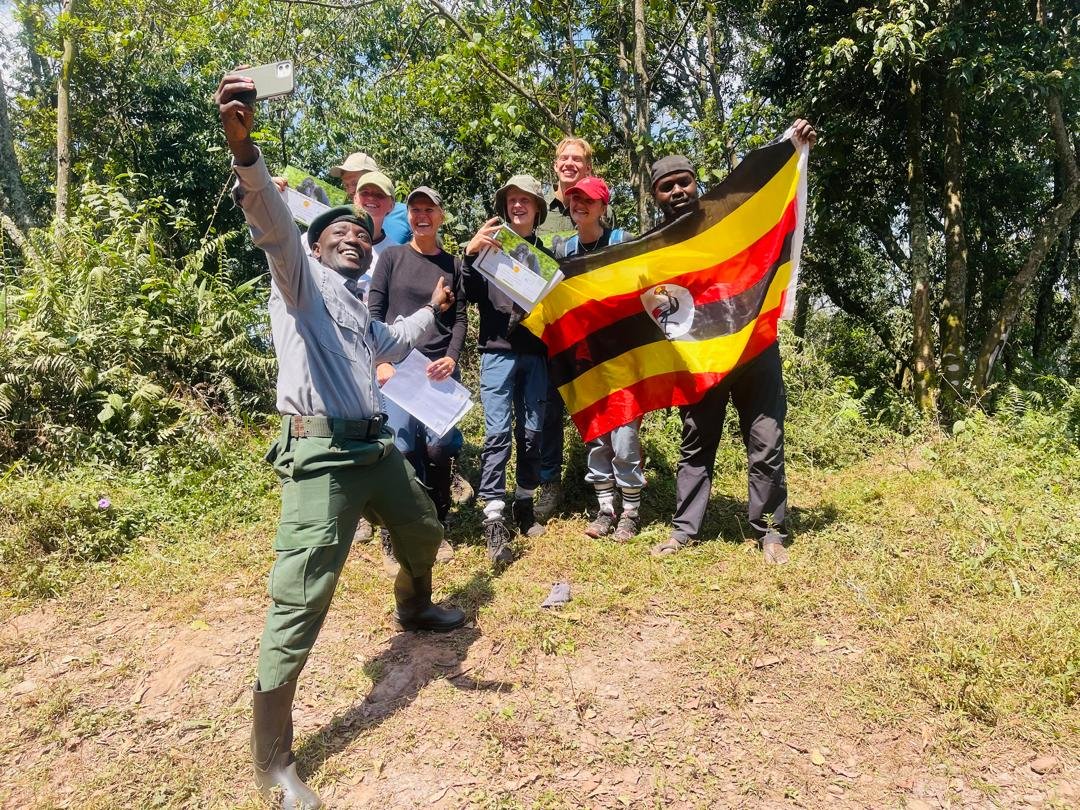
On the morning of the trek, a comprehensive briefing is delivered at the park headquarters. Groups are limited to eight visitors per habituated gorilla family. In this way, minimal disruption is ensured and conservation standards are upheld.
The duration of gorilla trekking in Uganda varies considerably. In some cases, gorillas are located within an hour. However, in other situations, several hours of hiking through dense vegetation may be required. Once the family is encountered, exactly one hour is granted for observation and photography. Flash photography is strictly prohibited.
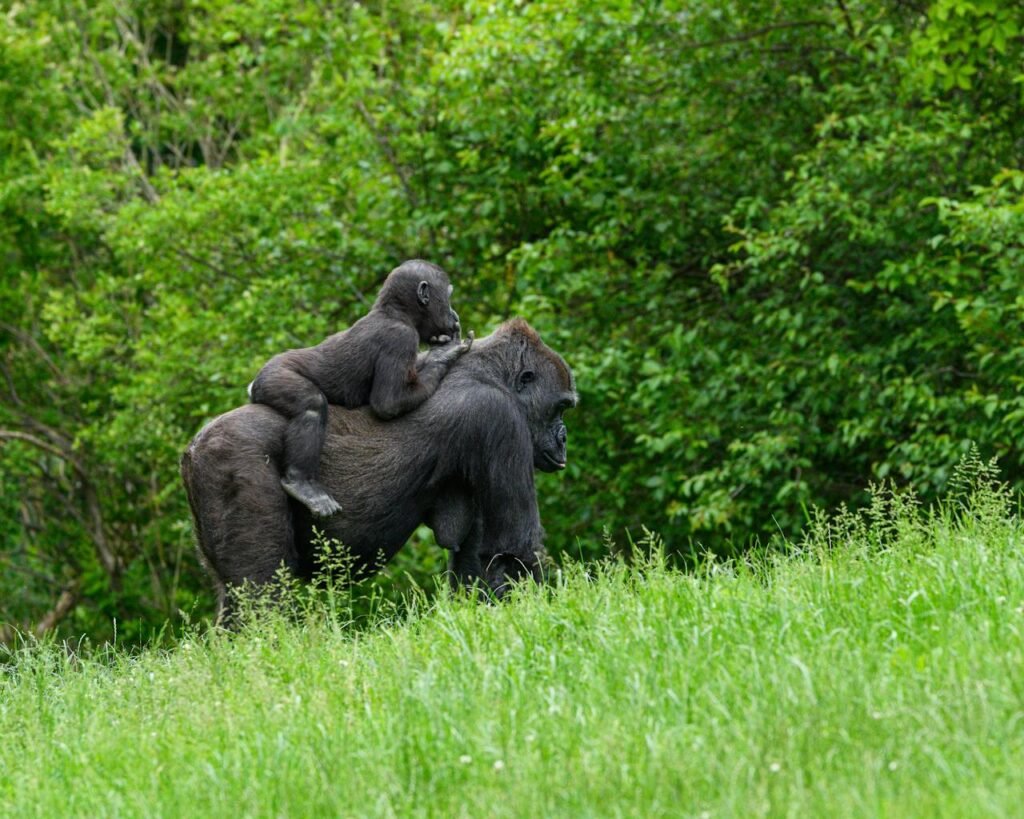
Importantly, porters are available for hire. Not only is physical assistance provided, but meaningful employment is also created for surrounding communities.
What Makes Gorilla Trekking in Uganda Distinct
Unlike other destinations, gorilla trekking offers access to four trekking sectors within Bwindi alone. Each sector presents different forest terrain and distinct gorilla families. Consequently, even repeat visits result in entirely new experiences.
Furthermore, gorilla trekking has been practiced for more than three decades. Over time, conservation protocols have been refined, and gorilla populations have gradually increased. Revenue generated from permits is reinvested into anti-poaching patrols, veterinary interventions, and local development projects.
As a result, community support for conservation has been strengthened, and long-term sustainability has been secured.
How Difficult Is Gorilla Trekking in Uganda?
The terrain encountered during gorilla trekking is mountainous and, at times, physically demanding. Altitudes between 4,000 and 8,000 feet are common, and muddy slopes may be encountered, particularly during the rainy seasons.
However, difficulty levels vary significantly depending on the gorillas’ movements. While some treks are relatively moderate, others may require greater endurance. Gorilla trekking in Uganda is generally classified as moderate to strenuous; nevertheless, determination is often considered more important than athletic ability.
Encouragingly, elderly travelers frequently complete gorilla trekking in Uganda successfully. With reasonable fitness levels and proper support, the experience can be comfortably undertaken.
What Should Be Packed for Gorilla Trekking in Uganda?
Preparation is essential when gorilla trekking in Uganda is planned.
Waterproof hiking boots with strong ankle support should be worn. Long trousers and long-sleeved shirts are recommended to protect against vegetation. Gardening gloves are often used for gripping branches during steep climbs.
Because rainfall may occur unexpectedly, high-quality rain jackets must be carried. A camera with a zoom lens is strongly advised, although flash must never be used.
Ultimately, gorilla trekking takes place in tropical rainforest environments where conditions can change rapidly; therefore, adequate preparation ensures comfort and safety.
Why Gorilla Trekking Permits Are Essential
The permit system governing gorilla trekking exists primarily to protect endangered mountain gorillas. Revenue collected is directly allocated toward conservation programs, ranger patrols, veterinary care, and scientific monitoring.
Moreover, visitor numbers are strictly limited in order to reduce disease transmission risks. Without the structured framework under which gorilla trekking operates, the species would remain significantly more vulnerable.
Thus, the permit fee represents a meaningful investment in conservation and wildlife preservation.
Frequently Asked Questions About Gorilla Trekking.
How much does gorilla trekking cost?
A permit costs $800 per person. Additional expenses depend on accommodation level, transport, and guiding services.
What is the best time for gorilla trekking?
The dry seasons (June–September and December–February) are generally preferred. However, gorilla trekking in Uganda is available year-round.
Is gorilla trekking safe?
Yes. The activity is conducted under armed ranger supervision, and habituated gorilla families are accustomed to human presences.
How close can visitors get to the gorillas?
A minimum distance of seven meters is maintained. Occasionally, gorillas may approach visitors voluntarily.
What is the minimum age requirement?
Participants must be at least 15 years old, as regulated by the Uganda Wildlife Authority.
Plan Your Gorilla Trekking with Berengei Africa Tours
Gorilla trekking in Uganda deserves to be experienced with expert guidance and refined attention to detail.
At Berengei Africa Tours, every safari is tailor-made. Permit availability is checked immediately, luxury lodges are recommended based on your preferences, and seamless ground or fly-in transfers are arranged. Whether a short luxury escape or a comprehensive multi-park expedition is desired, your itinerary will be professionally designed to reflect comfort, exclusivity, and authenticity.
Because gorilla permits are limited and demand remains high, early reservations are strongly encouraged.
Begin your gorilla trekking in Uganda journey today with Berengei Africa Tours, where conservation, elegance, and adventure are flawlessly combined.
Trusted Conservation & Authority References
Gorilla trekking in Uganda operates within globally respected conservation systems supported by:
These institutions ensure that gorilla trekking in Uganda is conducted responsibly, ethically, and sustainably.

Pingback: Bwindi Impenetrable National Park: Berengei Africa Safaris
Pingback: Mgahinga Gorilla National Park – Gorilla Trekking and Safari Travel
Pingback: Queen Elizabeth National Park – Ultimate Safari & Wildlife Guide