 Skip to content
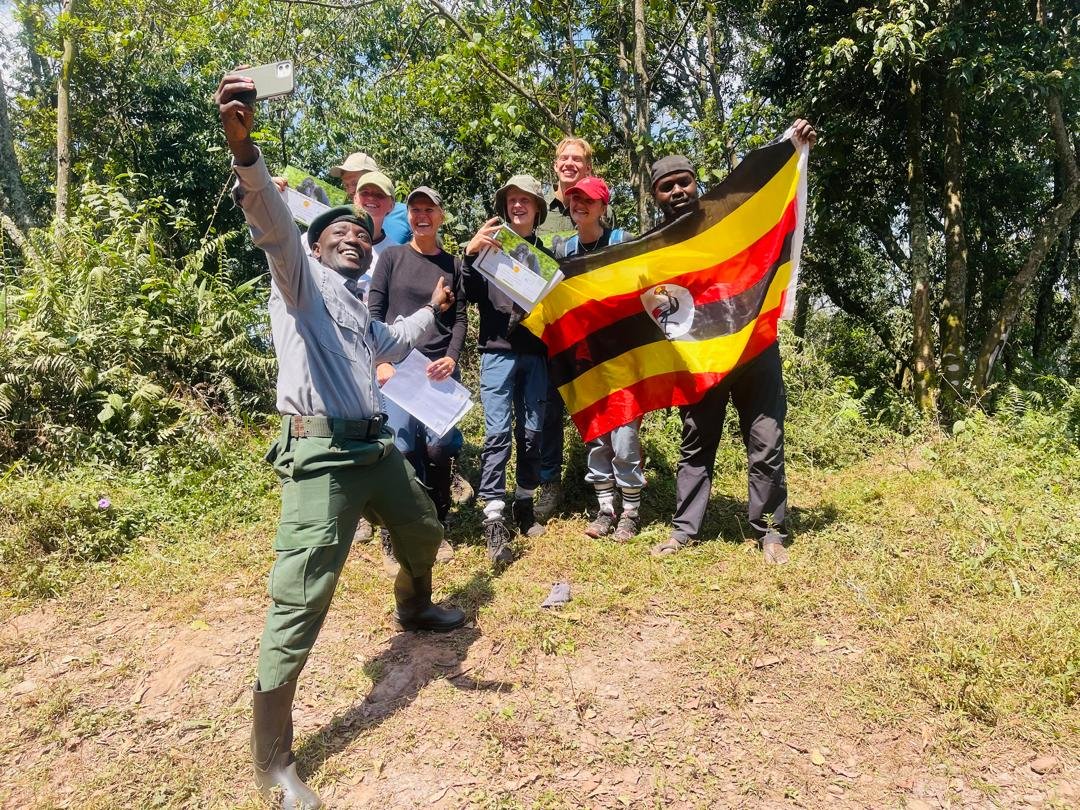
Bwindi Impenetrable National Park is Uganda’s most iconic wildlife destination and one of Africa’s most extraordinary safari experiences. Located in southwestern Uganda along the Albertine Rift Valley, Bwindi Impenetrable National Park is globally recognized for protecting nearly half of the world’s remaining mountain gorillas. Because of its ecological importance, Bwindi Impenetrable National Park was designated a UNESCO World Heritage Site in 1994.
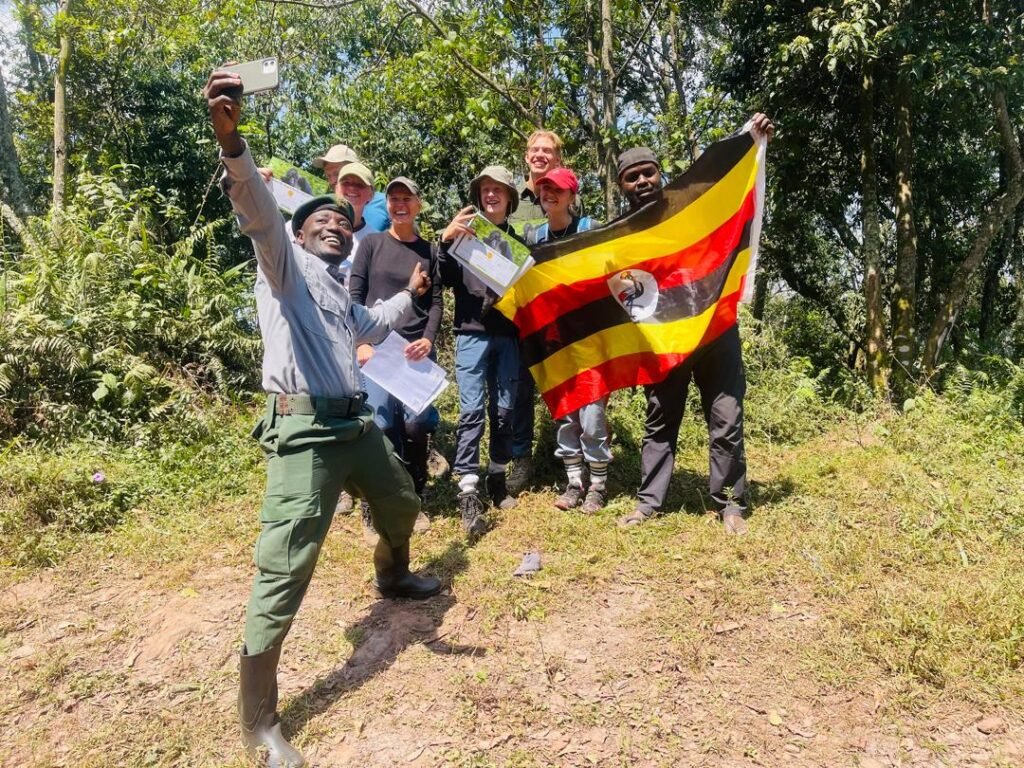
At Berengei Africa Safaris, journeys to Bwindi Impenetrable National Park are carefully crafted to combine exclusivity, conservation awareness, and authentic African wilderness experiences. This is not simply a safari. It is an encounter with one of the rarest primates on Earth, in one of the oldest rainforests on the continent.
Spanning approximately 331 square kilometers, Bwindi Impenetrable National Park protects a rainforest believed to be over 25,000 years old. As a result, extraordinary biodiversity has been preserved, making the park one of Africa’s most biologically significant ecosystems.
Gorilla Trekking in Bwindi Impenetrable National Park
Gorilla trekking in Bwindi Impenetrable National Park is strictly regulated by the Uganda Wildlife Authority to ensure the safety of both visitors and gorillas. Each habituated gorilla family is visited by only eight guests per day. Consequently, permits remain limited and are often secured months in advance through trusted safari operators such as Berengei Africa Safaris. 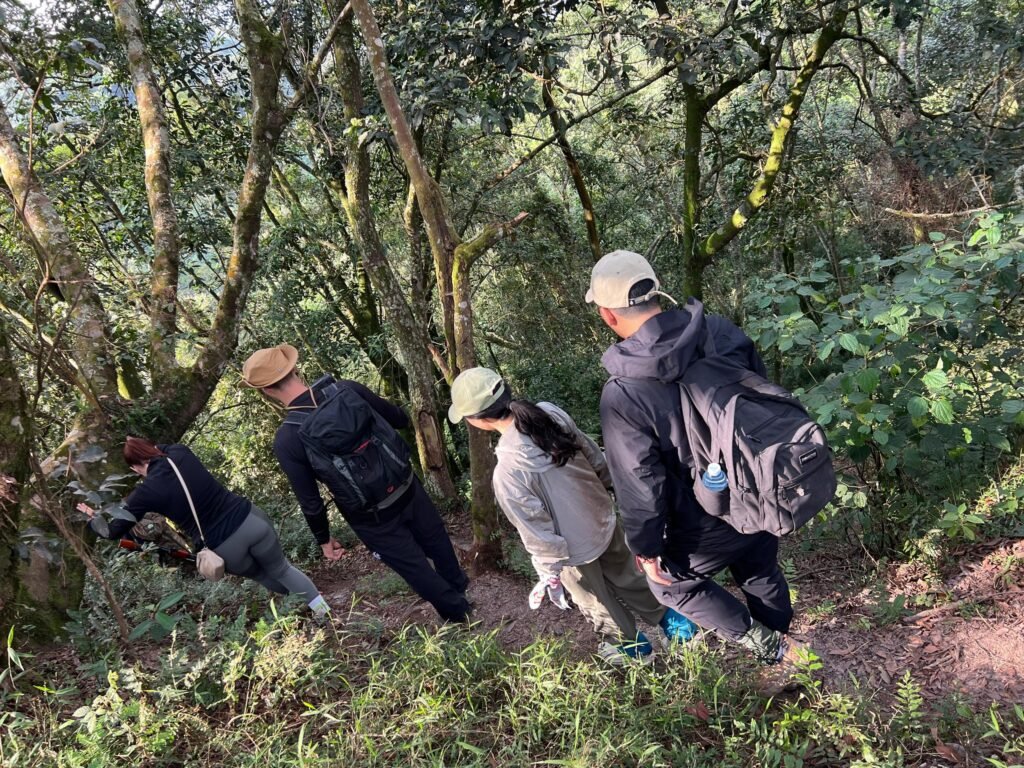
Currently, Bwindi Impenetrable National Park is divided into four trekking sectors:
-
Buhoma Sector
-
Ruhija Sector
-
Rushaga Sector
-
Nkuringo Sector
Each sector offers a distinct trekking terrain. Buhoma is known for moderate trails and historical lodges. Nkuringo offers steeper slopes and dramatic mountain views. Meanwhile, Rushaga hosts the highest number of habituated gorilla families, providing flexibility in permit availability.
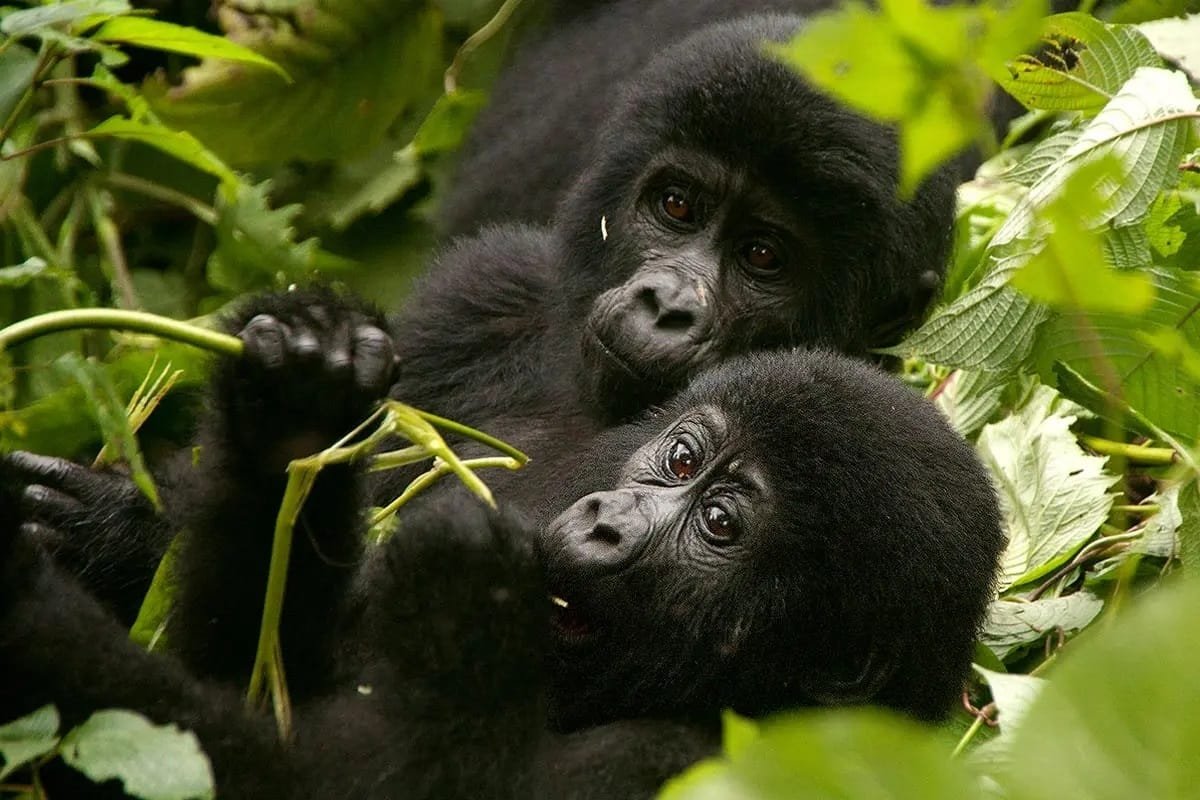
Treks can last between two and six hours depending on the gorillas’ location. However, once a family is located, one unforgettable hour is spent observing them. During this time, natural behaviors are witnessed—feeding, nurturing, playful juveniles tumbling through vines, and the silent authority of a silverback.
According to conservation reports from the World Wildlife Fund and the International Union for Conservation of Nature, mountain gorilla populations have gradually increased due to strict protection policies in Uganda. Therefore, every visit contributes directly to conservation funding and community development.
Biodiversity and Landscape of Bwindi Impenetrable National Park
Bwindi Impenetrable lies within the Albertine Rift, one of Africa’s richest biodiversity hotspots. Elevations range from 1,160 meters to 2,607 meters above sea level. Because of this variation, multiple vegetation zones are supported — from lowland forest to montane forest.
Over 120 mammal species, 350 bird species, and more than 200 butterfly species have been recorded. The park has also been recognized by BirdLife International as an Important Bird Area. Rare species such as the African green broadbill and Shelley’s crimsonwing are protected here.
Although gorillas are the primary attraction, forest elephants, giant forest hogs, and several primate species, including black-and-white colobus monkeys, are also present.
The forest canopy remains dense throughout the year. Mist often drifts between ancient trees. As a result, Bwindi Impenetrable National Park delivers a mystical atmosphere rarely experienced elsewhere in Africa.
Best Time to Visit this National Park
Bwindi Impenetrable can be visited year-round. However, the dry seasons—June to September and December to February—are generally preferred. During these months, trekking trails are less slippery, and hiking conditions are considered more comfortable.
Nevertheless, gorilla trekking operates daily regardless of season. In fact, the rainy months often offer fewer visitors and exceptional photography opportunities due to lush greenery.
At Berengei Africa Safaris, itineraries are adjusted carefully according to seasonal conditions to maximize comfort and trekking success.
Luxury Accommodation in Bwindi Impenetrable Today
Accommodation in Bwindi Impenetrable ranges from eco-luxury lodges to exclusive forest camps. Many properties have been designed sustainably to blend into the natural environment.
Luxury lodges provide private cottages, panoramic forest views, fine dining, and personalized service. Mid-range options offer excellent comfort while maintaining proximity to trekking starting points.
Because permits are sector-based, accommodation selection is strategically aligned with your assigned gorilla family’s location. This ensures that unnecessary transfers are avoided and your experience remains seamless.
Conservation and Community Impact
Bwindi Impenetrable stands as a model for conservation-driven tourism. Revenue generated from gorilla permits supports education, healthcare, infrastructure, and community enterprises around the park.
Furthermore, local communities are directly employed as trackers, rangers, and lodge staff. Therefore, tourism revenue is reinvested into protecting both wildlife and livelihoods.
This balanced conservation model has positioned Bwindi Impenetrable National Park as one of Africa’s most successful wildlife protection stories.

Pingback: Mgahinga Gorilla National Park – Gorilla Trekking and Safari Travel
Pingback: Queen Elizabeth National Park – Ultimate Safari & Wildlife Guide
Pingback: Murchison Falls National Park – Ultimate Safari & Wildlife Guide
Pingback: Kibale National Park: Chimpanzee Trekking & Primate Safari Guide